Cats and dogs make great pets, but if you’re looking for a more unique companion, consider these six exotic animals you can legally own in Nebraska.
When most people think of pets, furry companions like dogs and cats probably come to mind first. (They are the two most popular pets in the US, after all.) But despite their popularity, they aren’t the right fit for everyone.
Some people may prefer a lower-maintenance pet, such as a fish or hamster. Others might gravitate toward something less conventional. Nebraskans who fall into the latter category are in luck because there are several exotic animals you can legally keep as a pet in the Cornhusker State.
Keep reading to learn about six exotic animals you can legally own in Nebraska and what you need to do to create a safe and happy home for them.
Things to consider before adopting an exotic pet in Nebraska
Owning an exotic pet in Nebraska is possible, but there are a few things you should consider first:
- Veterinarian care: Not all veterinarians treat exotic animals, so accessing care, such as annual check-ups or in an emergency, may be more difficult compared to scheduling a visit for a cat or dog.
- Cost: While there are costs associated with all pets, such as for food and veterinarian care, exotic pet owners may incur additional expenses. For example, many exotic pets require specialized habitats and equipment, such as heat lamps or water filters.
- Lifespan: While the average lifespan of a dog is between 10 and 13 years, some exotic pets can live much longer than that. Boa constrictors, for example, can easily live to be 30 years old with proper care.
- Handling: If you’re hoping to adopt a cuddly pet that loves affection, an exotic animal may not be the right fit for you. Not all exotic pets will want to be handled by their owner, and some will require special handling.
- Permitting: If you want to own an exotic pet in Nebraska, you’ll most likely have to obtain a permit first. A Captive Wildlife Permit—required for many of the animals in this roundup—costs $33.
- Ethics: Many animal welfare organizations and veterinarians consider owning an exotic pet to be unethical. Replicating the animal’s natural habitat and feeding it the right diet, for example, can be difficult to do in a home environment.
With all this in mind, keep reading to discover six exotic animals you can keep as pets in Nebraska.
1. Boa constrictor
Boa constrictors are a snake species native to North, Central, and South America and average about six feet in length, depending on the specific type of boa. These nocturnal reptiles usually have gray- or cream-colored bodies with markings that are typically green, yellow, or red.
Boa constrictors have a calm temperament that makes them a popular exotic pet choice, but they may hiss loudly if they feel threatened. They’re solitary animals, so don’t plan on adopting more than one (unless you’re going to have multiple enclosures).
Even if you only plan to have one pet boa constrictor, you’ll need a good amount of space to create a suitable habitat. At minimum, its enclosure should be long enough for it to stretch out fully and move around comfortably. The enclosure should have a secure lid capable of preventing the boa from escaping, a thermal gradient to help the snake regulate its body temperature, and two hiding spaces (one on the cold side of the enclosure and one on the warm side).
Boa constrictors eat whole rodents, such as mice or rats, so be sure you’re comfortable feeding your pet other animals before adopting one. With proper care, boa constrictors can live to be 30 years old.
Permit required: No. However, Nebraska state law allows cities and counties to create their own animal ordinances, so be sure to confirm your local municipality’s specific regulations. For example, in Omaha, pet snakes can’t exceed eight feet in length.
2. Chinchilla
If you’re looking for a small exotic pet, a chinchilla may be a good fit. These rodents—native to the Andes Mountains in South America—typically only grow to be about 10 inches long (excluding their tail) and weigh less than two pounds.
Chinchillas are very active, and as such, their enclosure should feature multiple levels, climbing areas, and toys, such as a running wheel. You’ll also need to carefully monitor the temperature in your chinchilla’s habitat. Chinchillas have incredibly thick fur (necessary to survive the freezing temperatures in the Andes) and can overheat easily, so their enclosure temperature should ideally range between 55 degrees and 70 Fahrenheit.
Hay is a core component of a chinchilla’s diet, but you can also feed yours occasional treats, such as apple or pear slices or a handful of lettuce.
The average lifespan of a chinchilla is about 10 to 15 years, though pets that are well taken care of can live as long as 20 years.
Permit required: No
3. Flying squirrel
Two types of flying squirrel can be found in the wild in North America: northern and southern flying squirrels. Both are sometimes kept as pets and can be quite affectionate if you bond with them early on in their life.
The northern flying squirrel averages between 10 and 12 inches long (including their tail), while the southern squirrel is slightly smaller, averaging between 8 and 10 inches in length.
These squirrels are social creatures, so it’s recommended that you adopt more than one and ensure you have plenty of time to interact with them. Flying squirrels are omnivores, and they should be fed a diet that includes fruits, vegetables, nuts, insects, and mealworms.
Despite their name, these squirrels can’t actually fly. Instead, a membrane between their front and back legs enables them to glide between trees. Their enclosure should include branches for climbing and a nest box, ideally situated high up in the cage.
Flying squirrels that receive proper care in captivity typically live to be about 10 years old.
Permit required: Yes
4. Fox (red, gray)
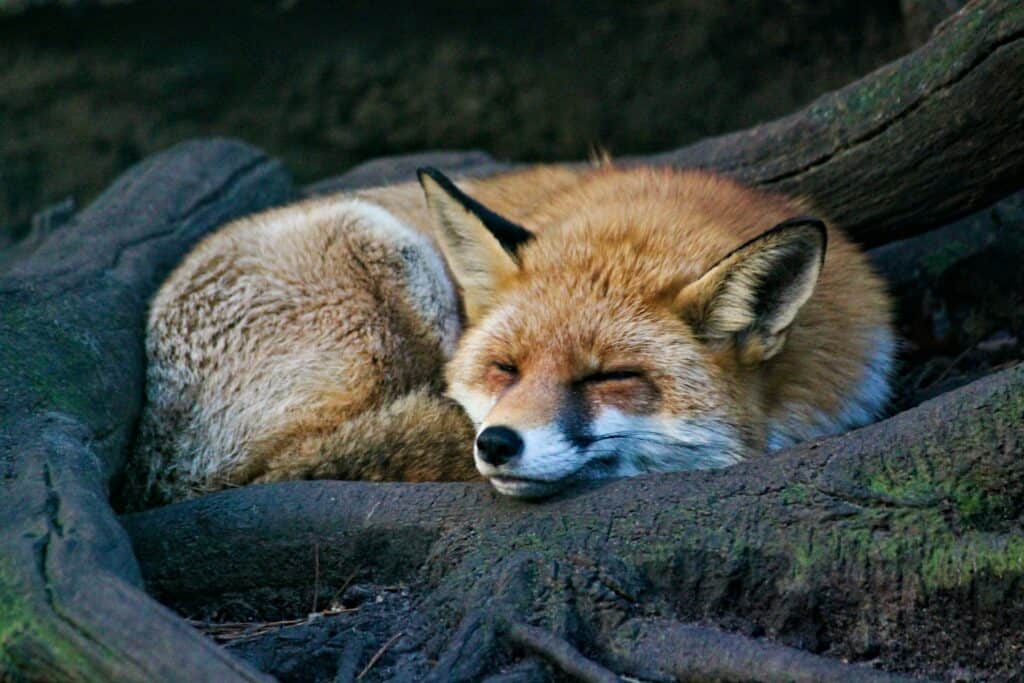
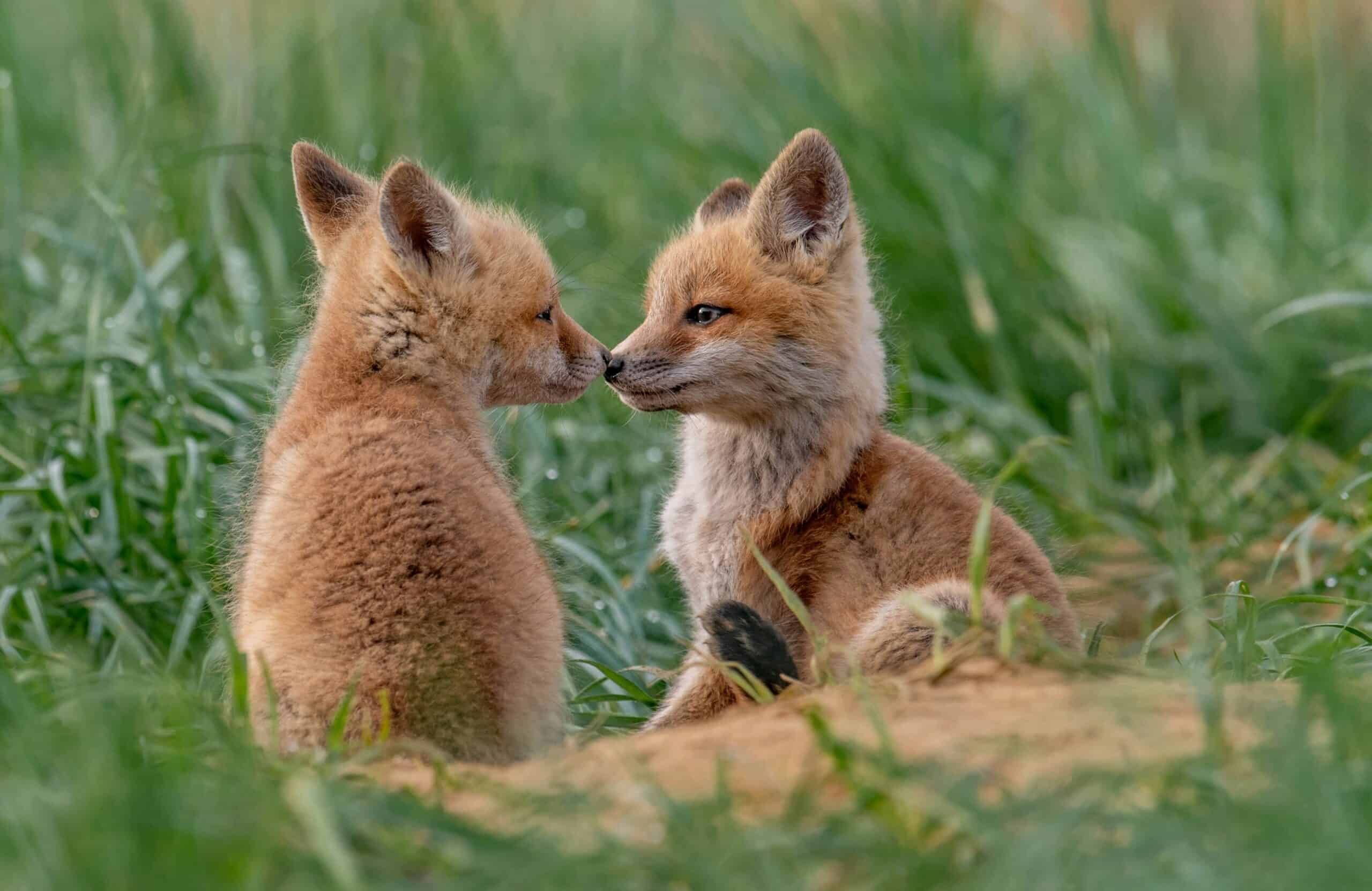
The red fox can be found throughout the entire Northern Hemisphere, while gray foxes are a little less widespread, native to the Americas from southern Canada to northern Venezuela. Both fox species are similar in size, reaching a maximum of about 15 pounds, though the red fox tends to be slightly larger.
Both foxes are highly energetic and require a lot of enrichment and space to roam. If you want to keep one as a pet, you should have adequate outdoor space to create a suitable habitat for them, as most foxes don’t do well as indoor-only pets. You should also purchase plenty of toys for your pet, otherwise these notoriously mischievous animals may resort to destroying furniture, clothes, or other items.
Foxes should be fed a specific diet consisting of a commercial food like the Mazuri Exotic Canine Diet, plus whole prey and some fruits and vegetables as treats. If you already have a pet that would be naturally hunted by a fox, such as a cat, bird, or rabbit, adding a fox to the mix isn’t recommended.
The average lifespan for both of these fox species is about 10 to 15 years in captivity.
Permit required: Yes. Additionally, some cities, including Lincoln and Wahoo, prohibit ownership of foxes.
5. Hedgehog
Hedgehogs are small mammals that are native to Africa, Asia, and Europe. They’re covered in thousands of spines, similar to a porcupine’s quills, and reach an average length between seven and nine inches and an average weight of about 12 to 17 ounces.
Hedgehogs, often called hedgies, are undeniably adorable, which makes them popular pets, but they do require special care. For starters, they like to be warm, and temperature control within their living area is crucial. Ideally, the temperature will fall within a range of 70 degrees to 80 degrees Fahrenheit.
In the wild, hedgehogs often travel up to two miles every night foraging for food, so their enclosure should offer plenty of space to roam. Speaking of food, a fortified pellet diet with supplemental insects is recommended. (In the wild, hedgehogs typically eat insects, snails, slugs, and earthworms.)
Hedgehogs prefer to live alone, and forcing them to cohabitate with another hedgie may cause significant stress. Additionally, if you have another pet that likes to chase small animals, such as a dog, adopting a hedgehog isn’t recommended.
When kept as a pet and cared for properly, hedgehogs can live up to 11 years.
Permit required: No
6. Sugar glider
Sugar gliders have become a popular exotic pet in recent years, though many experts warn that they aren’t beginner-level pets because of the specialized care they require.
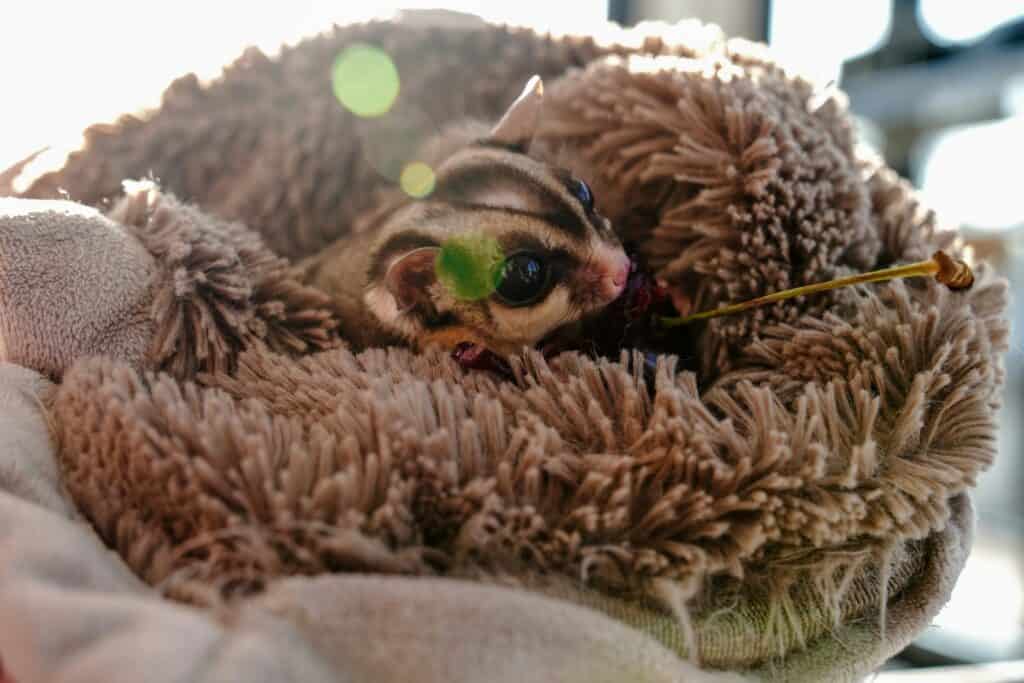
These marsupials, native to Australia, Indonesia, and Papua New Guinea, are social animals who live in colonies in the wild. As such, you should plan to adopt more than one to prevent yours from becoming depressed. Sugar gliders have a gliding membrane that enables them to glide from tree to tree, hence their name.
Sugar gliders are small—with an average weight between three and six ounces and a length between five and six inches (excluding their tail)—but you’ll want to purchase a decent-sized enclosure that gives them space to climb and explore.
Specialized zoo and exotic animal nutritionists are still developing the ideal captive diet for pet sugar gliders. Current recommendations tend to feature a long list of items in very small amounts. One expert recommends a diet of:
- 3 grams each: apple, banana, corn, grapes or kiwi, sweet potato, orange, pear, melon or pawpaw
- 1.5 grams dog kibble
- 1 teaspoon fly pupae
- 2 teaspoons Leadbeater’s nutritional supplement
If you take excellent care of your sugar gliders, you can expect them to live about 15 years.
Permit required: No