Curious explorers can easily witness the wonder of Minnesota’s waterfalls, starry skies, underground caves, and big pines.
When the humdrum of daily life causes your mind to go on autopilot, it’s time to refresh your imagination and explore all the natural wonders that Minnesota contains. No matter what part of the North Star State you’re traversing, you’re sure to find majestic waterfalls, expansive lakes and streams, statuesque trees, star-filled skies, and a couple of mysterious historic sites for good measure. By no means a complete list, here are our picks for Minnesota’s coolest natural wonders, all of which you can visit the next time inspiration strikes.
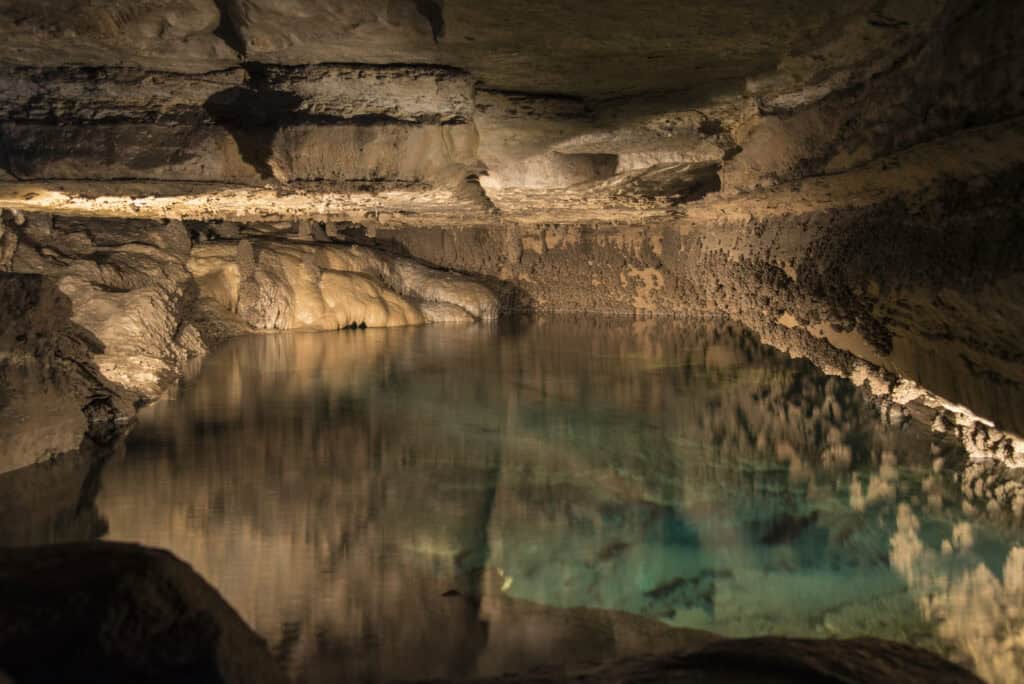
1. Mystery Cave
As its name suggests, Minnesota’s largest cave offers 13 miles of underground mystery to investigate. Located within Preston’s Forestville/Mystery Cave State Park, Mystery Cave is complete with stalactites, stalagmites, fossils, underground pools of water, and a winding maze of passageways. In order to make your visit as safe and convenient as possible, park rangers recommend opting for a guided tour—otherwise, the park’s lack of Wi-Fi signal and incorrect GPS directions may have you lost and panicking.
Hour-long tours bring you up close and personal with the cave’s dripping, shifting mineral deposits, while a four-hour wild caving tour offers a strenuous crawl through the cave’s less developed passages. Regardless of the tour you choose, remember to bundle up in advance, as the cave temperature remains 48 degrees year-round.
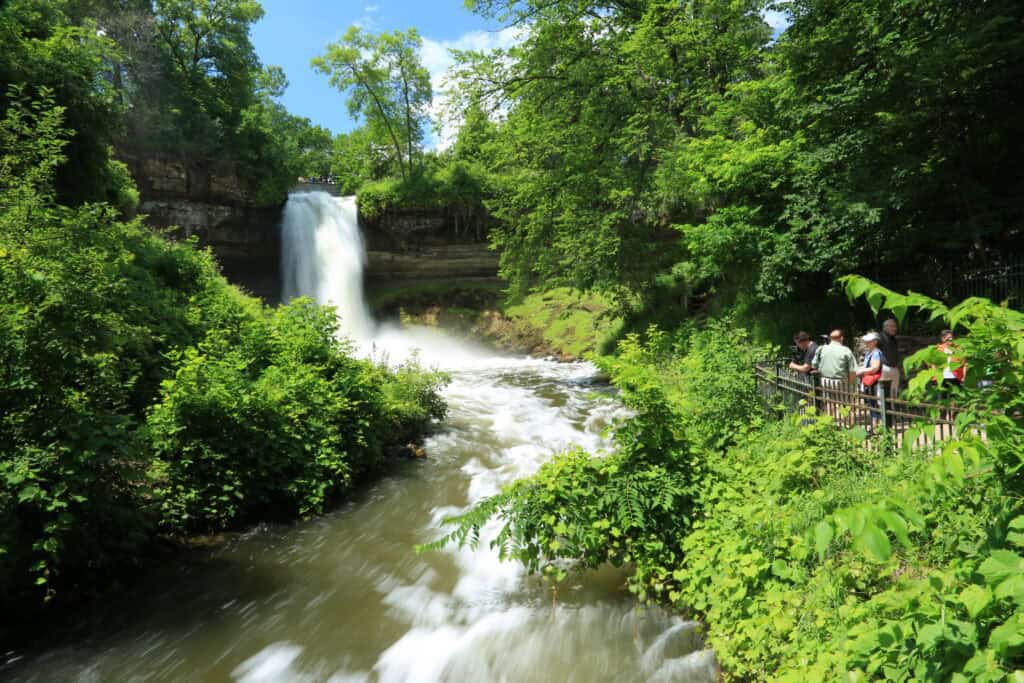
2. Minnehaha Falls
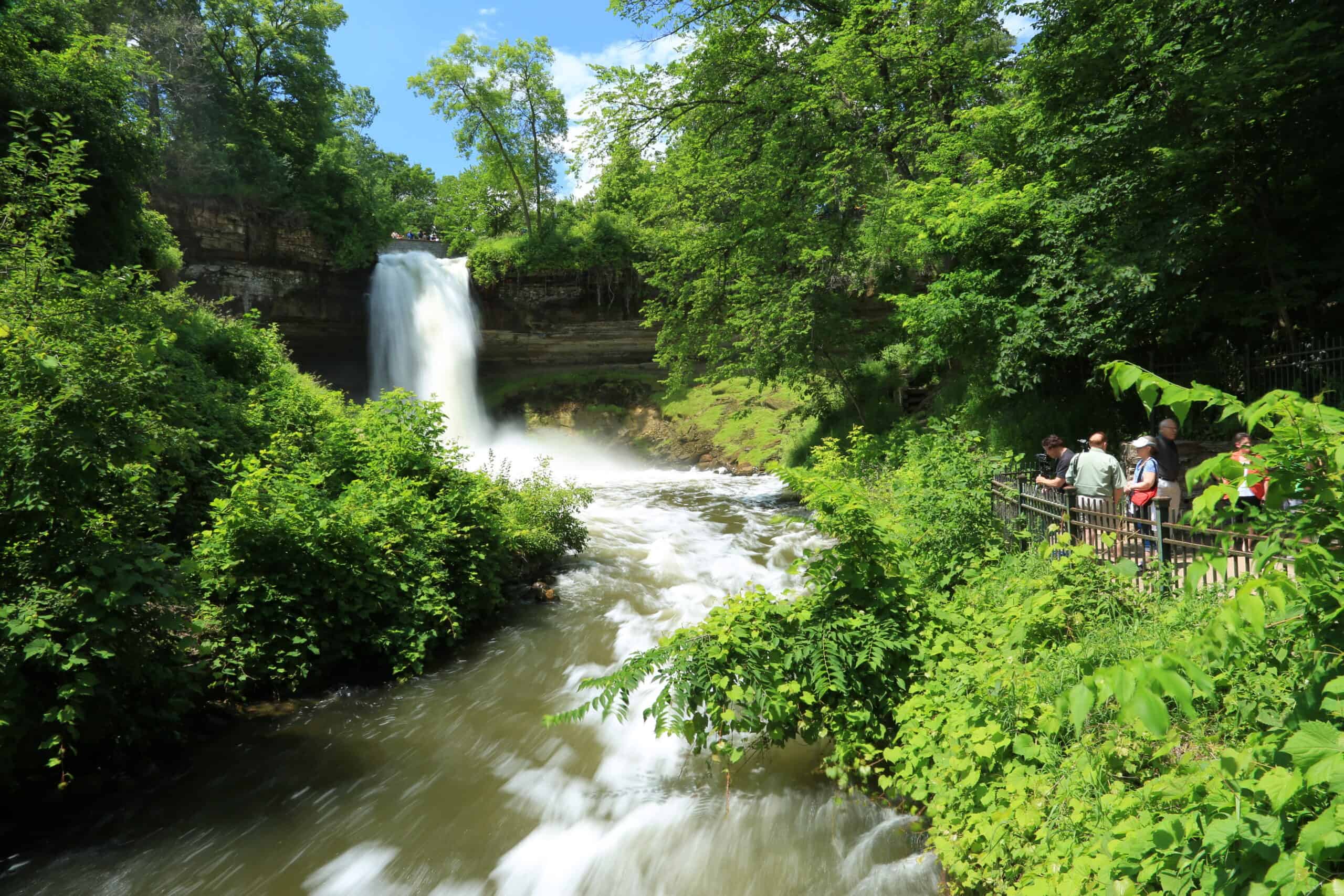
Witness the majestic power of a 53-foot waterfall from the comfort of an urban park. With its centralized, bike-accessible location in Minneapolis, Minnehaha Falls proves that Minnesota’s breathtaking displays of natural beauty don’t require a trip to the outskirts of civilization—if you know where to look.
Located within the 193-acre Minnehaha Park, this waterfall attracts more than 850,000 visitors each year who gather at the base to view its churning flow, not to mention its icicle-covered displays in wintertime. Traverse the park’s network of paved trails to avoid the crowds and enjoy unspoiled views of the falls.
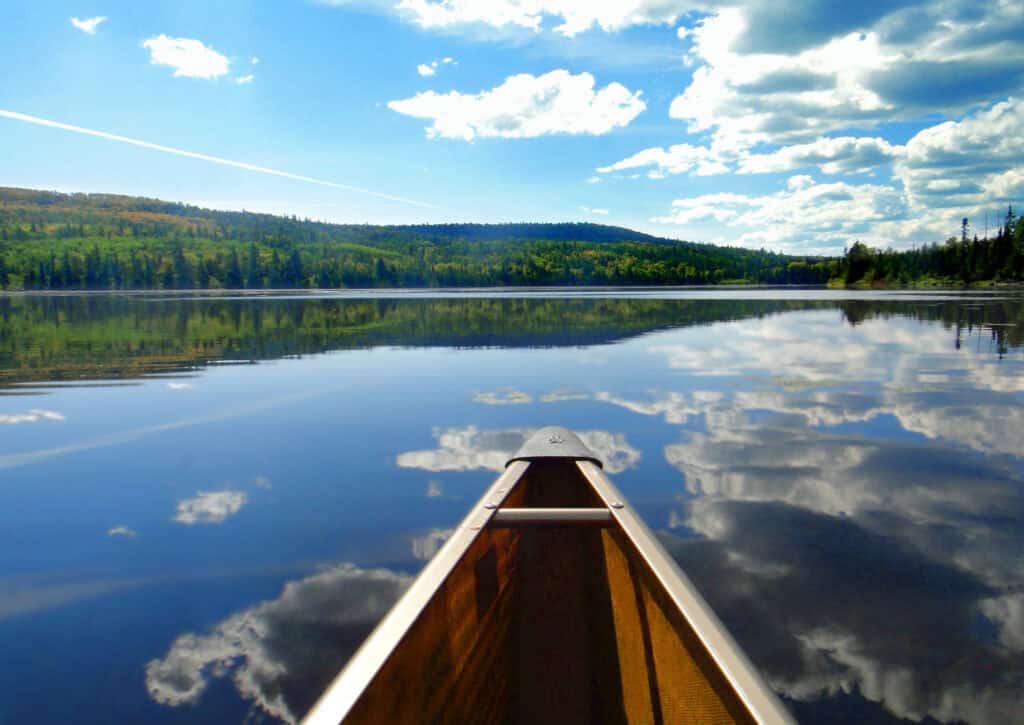
3. Boundary Waters Canoe Area Wilderness
Ready to immerse yourself in one of Minnesota’s most expansive and remote wildernesses? Look no further than the Boundary Waters Canoe Area Wilderness, which comprises the northernmost area of the Superior National Forest in Duluth. Here you’ll find flat, sandy beaches; sharp, rugged cliffs; craggy, rocky shores; and literally thousands of lakes and streams perfect for exploring along a peaceful paddle.
With more than 1,200 miles of canoe routes paired with over 2,200 designated campsites, Boundary Waters invites visitors to choose their own adventure, but local experts have identified one great place to start. Begin at Sea Gull Lake, whose crystal-blue waters extend for so long you’d have to paddle several hours to reach land. Find a campsite along these shores, and then prepare for a weekend of paddling, stargazing, and fishing for the walleye, northern pike, and smallmouth bass that populate these waters.
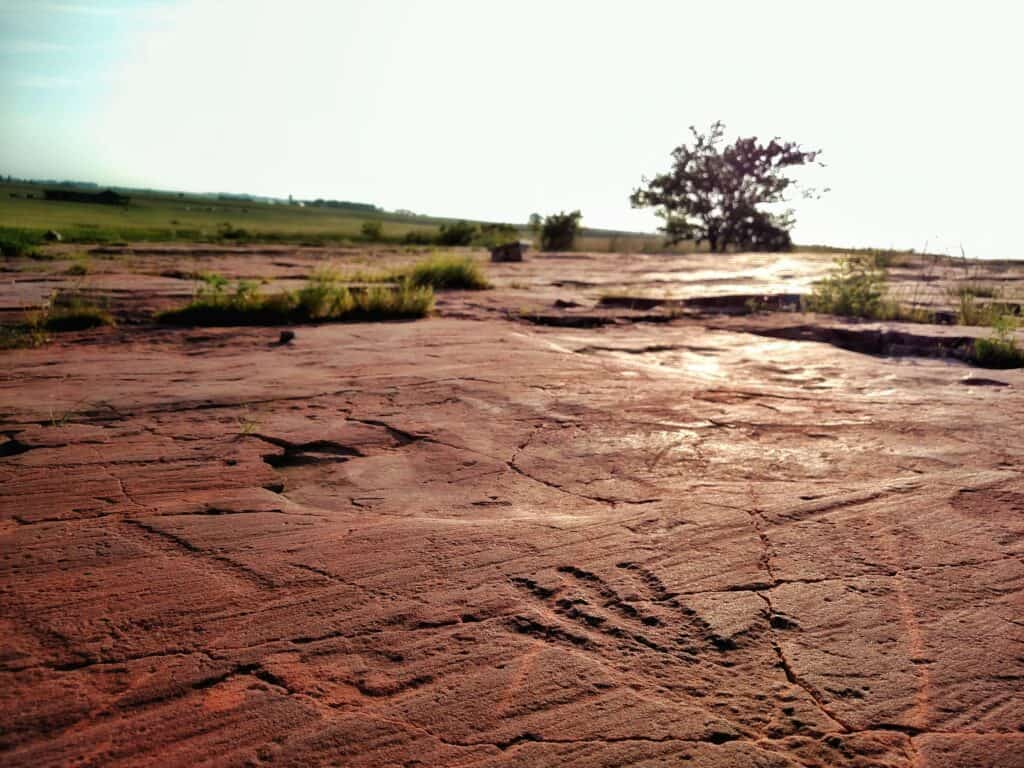
4. Jeffers Petroglyphs
Learn from those who have long called Minnesota home with a visit to Jeffers Petroglyphs in Comfrey, home to a collection of 5,000 rock carvings made more than seven millennia ago by indigenous Minnesotans. Stroll among the tall prairie grasses to reach these islands carved of rock, tablets where stories of humans, deer, buffalo, and turtles mingle.
45-minute walking tours include knowledge from local indigenous elders and provide important historical and archaeological context to this sacred site. Note that Jeffers Petroglyphs is only open Thursdays through Sundays, and admission is $12 per adult.
5. Lost 40 Scientific and Natural Area
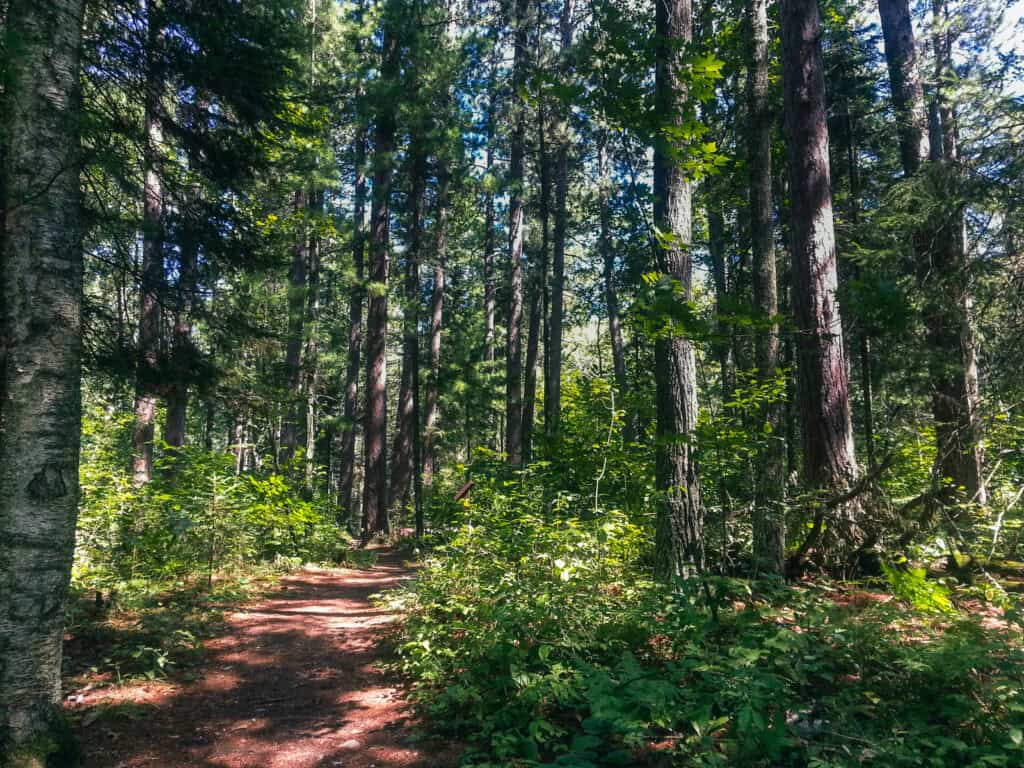
The only reason that Northome’s old-growth pine forest—known as the Lost 40 Scientific and Natural Area—still exists is a century-old surveying mistake. Celebrate the joyous consequences of human error with a visit to this pristine area of Chippewa National Forest, which would have been razed in 1882 had the loggers completing the public land survey finished the job they were set to do.
Thankfully, for modern visitors, the trees endured: stand in awe of 240-year-old pines like the champion red pine, which stands 120 feet tall. The site also attracts bird watchers and plant enthusiasts who bask in the area’s resplendent biodiversity.
6. Voyageurs National Park
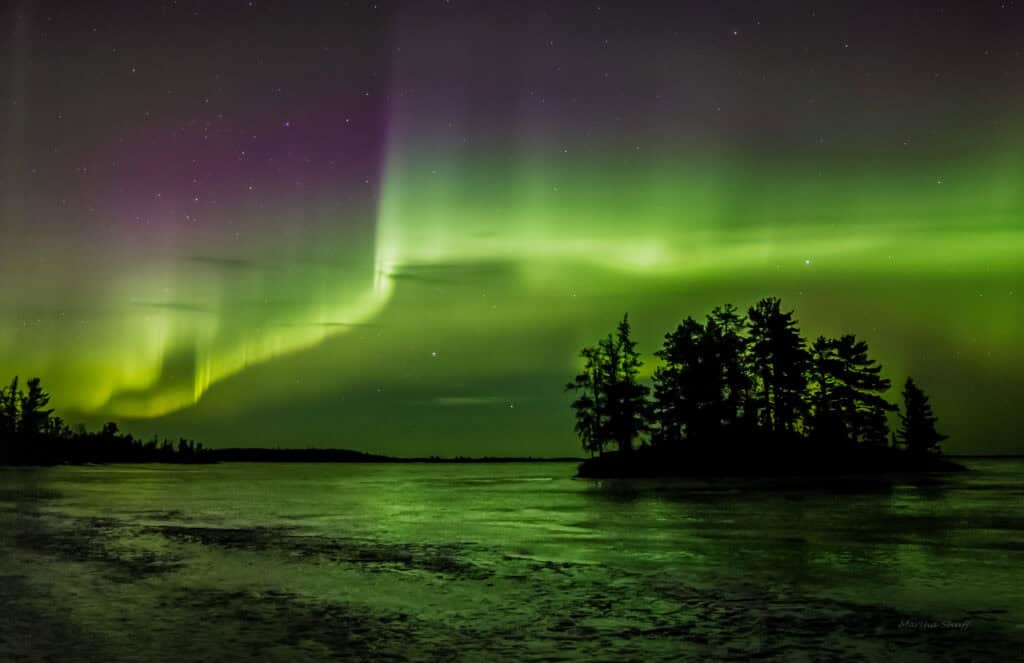
Four large lakes and a network of 26 smaller, interior lakes await intrepid travelers at Voyageurs National Park, located in International Falls near Minnesota’s border with Canada. More than a third of the park’s 218,000 acres are covered by water, so traveling by boat may be best, but as a representative of the park’s nonprofit partner Voyageurs Conservancy told Explore Minnesota, don’t let the absence of a seaworthy vessel stop you from making the trip. There’s plenty more to explore, especially if you turn your gaze upwards.
With its Dark Sky certification, Voyageurs National Park is also a haven for stargazers looking to drink in the Northern Lights in all their glory, not to mention the usual stars that dot the sky. Park rangers say the Milky Way and other major constellations are visible from nearly anywhere within Voyageurs, but for views unencumbered by a single tree or source of artificial light, venture out onto Rainy Lake’s fishing dock, the hillside dock behind the Ash River Visitor Center, or the Forest Overlook Trail.
7. Interstate State Park
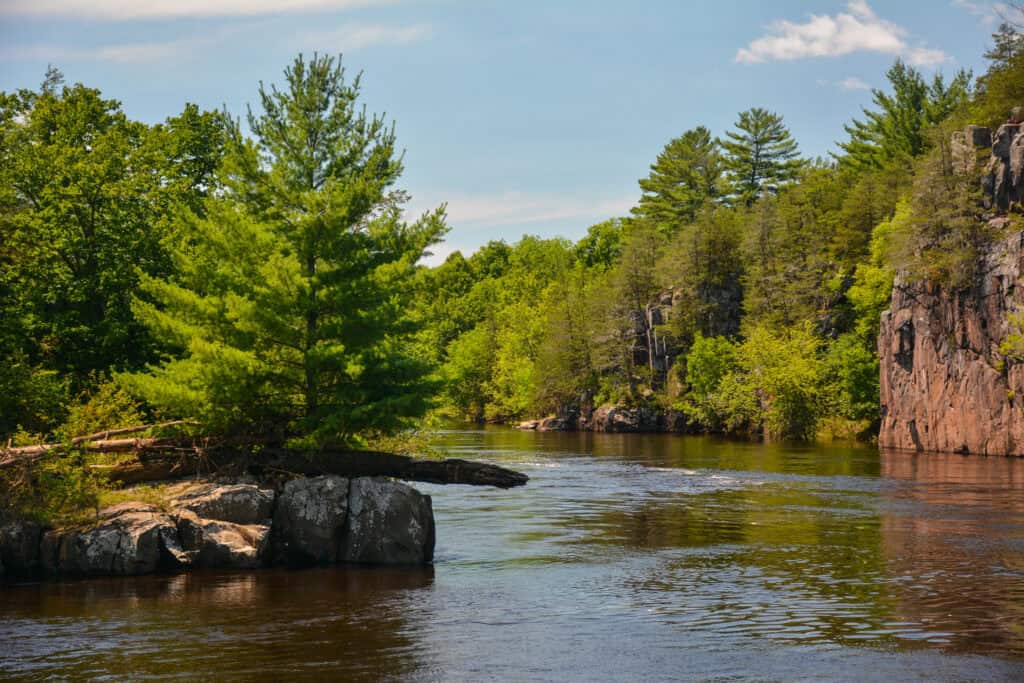
You’ll feel as though you traveled back in time to a prehistoric era when you explore the mysterious nooks and crannies of Interstate State Park, located in Taylors Falls near the border with Wisconsin. This park on the St. Croix River is home to at least 10 unique, exposed lava flows, not to mention a pair of glacial deposits and countless traces of old stream valleys, making this a haven for fans of geology and history.
In fact, the park is home to some of the largest natural potholes in the world: The appropriately named “Bottomless Pit” is a gaping hole extending 60 feet into the earth’s interior, while the “Cauldron” expands 20 feet in width. Learn more about the area’s unique geological features on a scenic boat tour, or explore on your own with a canoe or kayak rental.
8. Nerstrand Big Woods State Park
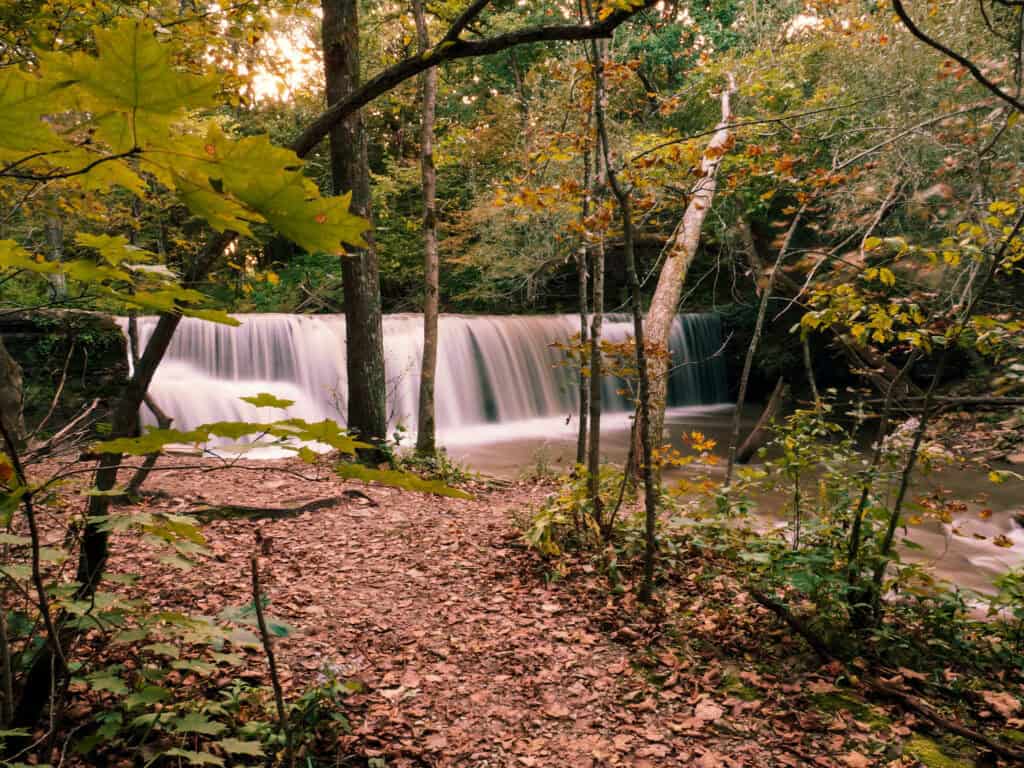
No matter if it’s brightly colored wildflower blooms or fiery autumn leaf displays you seek, you’ll find natural beauty and then some at Nerstrand Big Woods State Park. In the spring months, search for the elusive dwarf trout lilies blooming among the shady woodlands on the Hidden Falls Trail, and keep hiking until you reach the gently trickling waterfall itself. When autumn paints the scene in bold reds and oranges, hike the park’s 11 miles of trails in search of the perfect leaves. Pro-tip: Arrive early in the day if possible, as the main parking lot fills quickly—overflow parking is also available at Caron Park, three miles away.