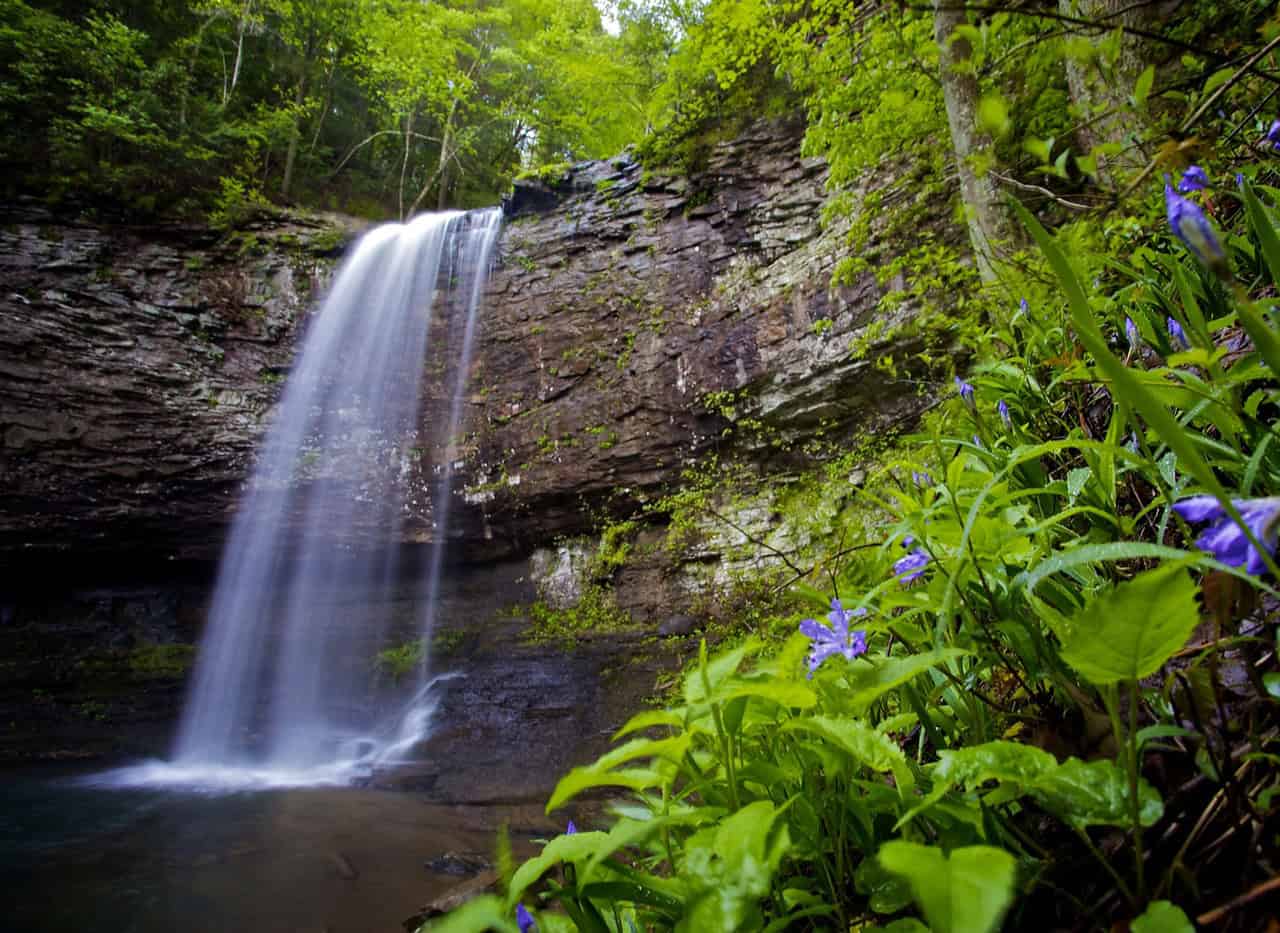
There’s no better time to be outside in Georgia, and with hiking trails, waterfalls, and canyons to explore, you’ll have your choice of natural wonders.
Georgia and nature go hand in hand, but not in the ways you might expect. Georgia’s Seven Natural Wonders are recognized across the state, but the Peach State has a host of other natural wonders that are just as cool and make visiting all the more interesting.
The natural wonders in this state are diverse. From towering waterfalls to boggy swamps to rapids that invite you to “shoot the ‘Hooch” on the Chattahoochee River, the water features alone are a draw.
Then there’s the terrain—sheer rock mountains give way to lush rolling hills, gorges and canyons create their own stark beauty, and seashores glisten with white sand and keepsake shells kissed by gentle waves.
It doesn’t matter where you start on this list, only that you visit as many of these Georgia natural wonders as you can. Time to get started!
1. Chattahoochee River
Georgia may be known as the Peach State, but it’s the Chattahoochee River that really defines this area.
That’s because the mighty Chattahoochee runs all the way from the North Georgia Mountains (see below for more on this area filled with natural wonders) down to the southern state border. If you live in Georgia or have visited the state, you’ve likely been somewhere the Chattahoochee runs.
And Georgia honors that with multiple ways to enjoy every aspect of this river. The Chattahoochee River National Recreation Area provides thousands of acres of opportunities for trail hiking, bird watching, bass, catfish, and trout fishing, and forest bathing. Looking for something a little more adrenaline-inducing? Whitewater Express in Columbus boasts rafting “as wild as Colorado and as warm as Costa Rica.”
2. Amicalola Falls
Atlantans love to escape the city on the weekends, and one of the most popular places to get away is Georgia’s natural wonder, Amicalola Falls, located in Dawsonville.
The two-mile out-and-back trail leading to the climactic falls (trust me, they do not disappoint) is a beautiful journey. You’ll hear nothing but a babbling brook that grows increasingly more forceful as you near the top.
You’re also at the start of an approach trail to the Appalachian Trail, so you can make your hike as long or as short as you like. But most visitors park in the Visitor Center lot at the base of the falls and ascend approximately 600 stair steps to the closest views of the falls crashing down 730 feet.
Bridges and viewing platforms put you in the center of it all, where you can really feel the power of these falls.
3. Cloudland Canyon
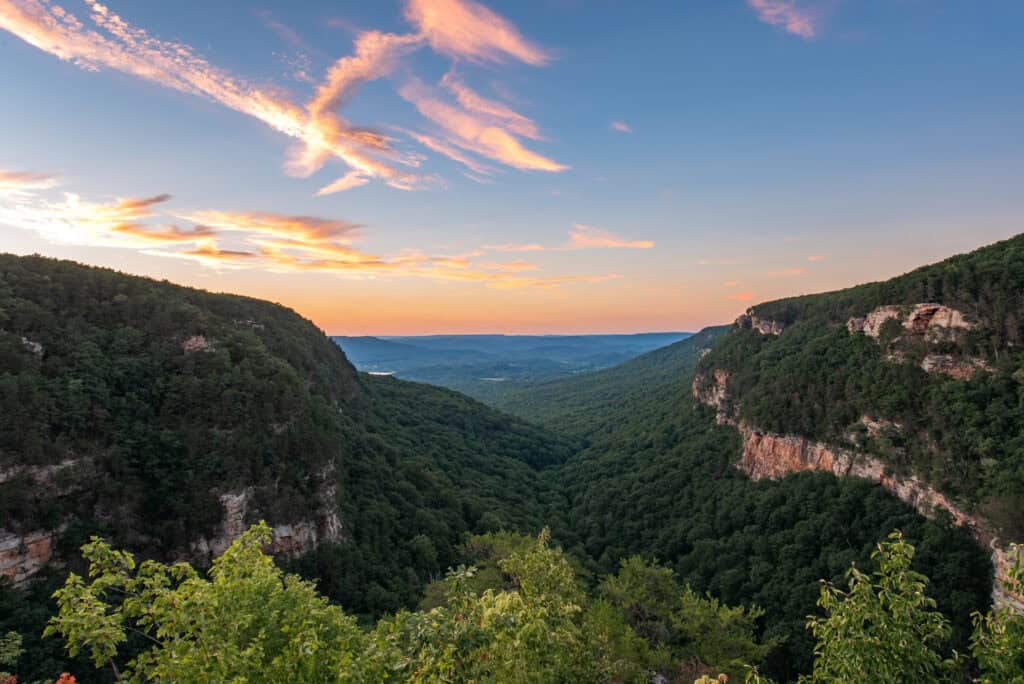
Talk about dramatic landscapes! Cloudland Canyon on the western edge of Lookout Mountain has it all: An enchanting forest where you might spot deer, foxes, and bears, oh my! Creeks that cascade over smooth rocks and beckon you to sit and listen awhile. Caves that only the truly brave (or crazy) explore. Cliffs of sandstone bordering canyons that plunge a thousand feet deep. And waterfalls that will take your breath away.
Hiking trails range from easy to strenuous, and the new Five Points Recreation Area offers mountain biking, longer hiking trails, horseback riding, a fishing pond, and a disc golf course. You’ll have your choice of picnic spots, and if you love it too much to leave, you can camp under the stars.
4. Okefenokee National Wildlife Refuge
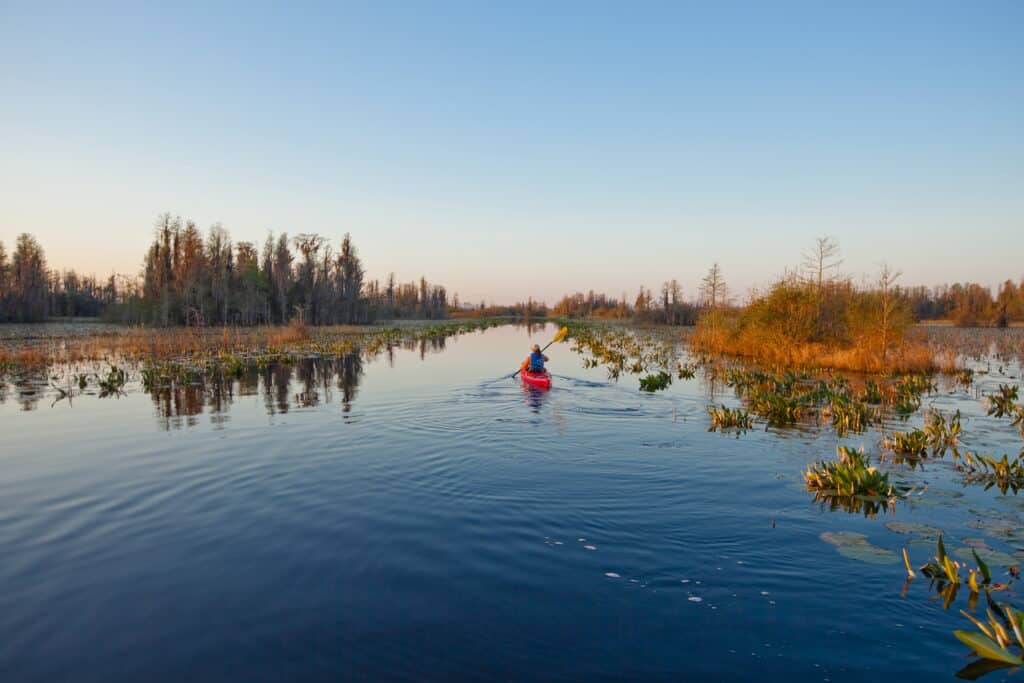
Don’t let the descriptor “swamp” fool you. Think of the Okefenokee National Wildlife Refuge as wetlands that will wow you.
At 400,000 acres, the Okefenokee is the largest blackwater swamp in North America, and for nature lovers, it offers something quite unique—a world-renowned biosystem of amphibians and a habitat for threatened and endangered species.
Visitors love to paddle out into the swamp and realize a whole different kind of beauty. Bordered by cypress forests draped in Spanish moss, the waters reflect the colors and create a landscape you’ll rarely see anywhere else.
You’ll find the refuge at the farthest corner of Georgia bordering Florida, where the St. Marys and Suwannee rivers meet.
5. Ocmulgee Mounds
Nature can teach valuable lessons, and how our indigenous people interacted with nature can teach even more.
At first glance, the Ocmulgee Mounds in Macon appear to be natural raised earth in a calm, peaceful prairie field. A stop in the Visitor’s Center at Ocmulgee Mounds National Historical Park, however, will educate you on the significance of these mounds.
Created more than 12,000 years ago, the mounds served as burial sites for high-ranking Native Americans, and they’ve been preserved to this day. Walking through the park gives you a window into the Paleo-Indian Period when indigenous peoples gathered in underground dwellings and celebrated traditional ceremonies.
As you walk the territory once inhabited by Native Americans, you’ll feel their presence as well as their love and respect for the land.
6. Tallulah Gorge and Falls
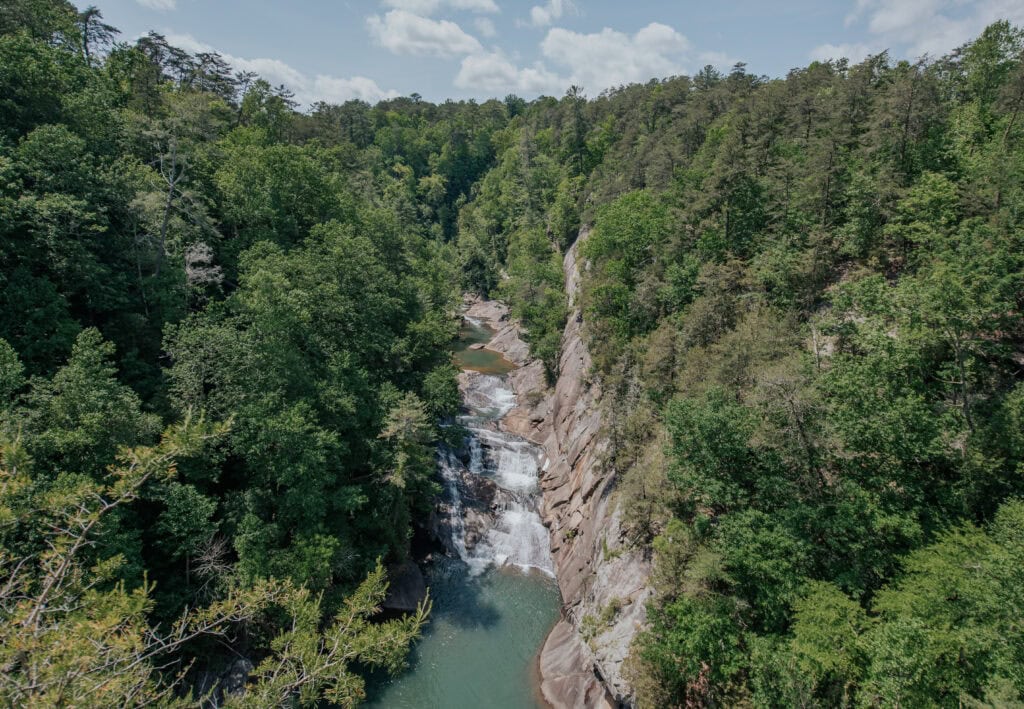
In northeast Georgia, just off U.S. Hwy. 441, you can’t miss Tallulah Gorge in Tallulah Falls, a double whammy of breathtaking beauty.
Imagine an impressive series of waterfalls dropping into a 1,000-foot chasm. But here’s the best part—you get to walk over the gorge via a swaying suspension bridge, something to get your heart pumping, for sure. You can also rock climb, pedal one of the mountain bike trails, and splash in the swimming hole at the bottom of the gorge.
Staircases will take you to the bottom, where you’ll discover a whole different vantage point. From there, you can gaze up and visualize what it must have been like when Karl Wallenda walked a tightrope across Tallulah Gorge, pausing only to perform two handstands for the nervous crowd.
7. Cumberland Island National Seashore
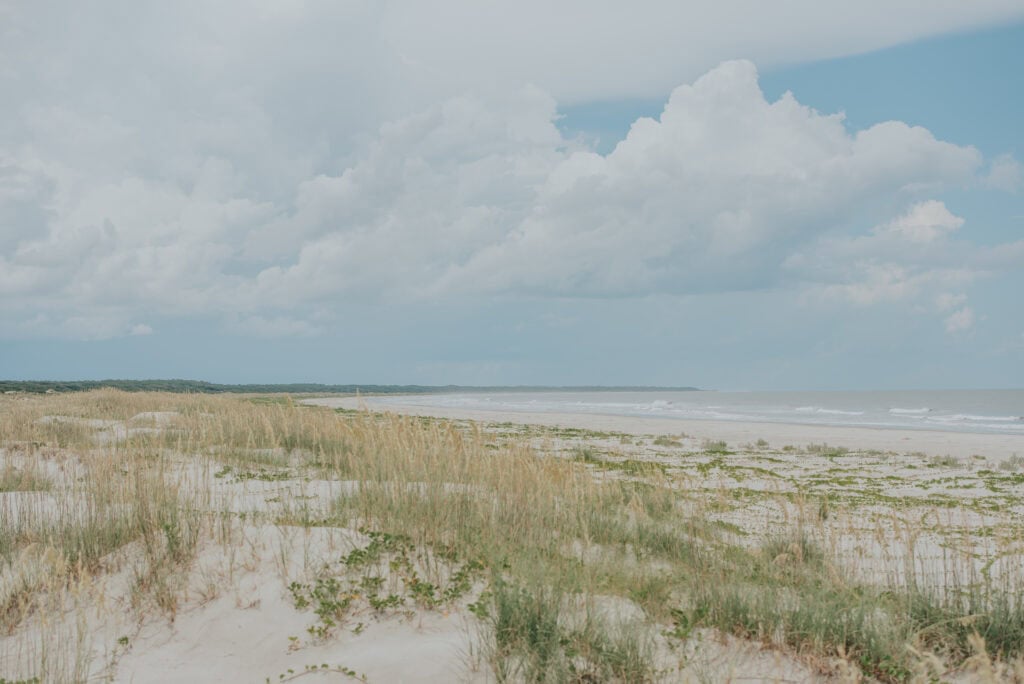
If you’re not from Georgia, you may forget that this state has some impressive shoreline, and Cumberland Island National Seashore will rival all your deserted island fantasies.
So much of nature falls victim to development, but on Cumberland Island, you’ll be thrilled to walk barefoot down pristine beaches untouched by hotels and tacky tourist shops. Over 9,800 acres of land are designated wilderness where the first people to relocate to America first trod.
Walk in their footsteps and see what they saw: clean, unpolluted forests, sprawling marshes, and coastal vegetation only found on barrier islands like this one, which is the largest and southernmost barrier island in the state.
8. Brasstown Bald
As Georgia’s highest mountain at 4,784 feet, Brasstown Bald in Hiawassee capitalizes on its height with a viewing deck that puts your head in the clouds.
You’ll enjoy unrivaled views of the Appalachian Mountains and identify four states: North Carolina, South Carolina, Tennessee, and, of course, the Empire State of the South, Georgia. To get there, hike the half-mile Summit Trail or catch a shuttle from the parking lot.
To learn more, step inside the cool, round building that houses an interactive natural history museum and projects a film showing you Brasstown Bald in every season. There’s also a gift shop selling local goods, additional hiking trails, and 365-degree views you won’t soon forget.
9. Radium Springs
If it’s pure beauty you’re after, head to Albany in southwest Georgia and make yourself comfortable at Radium Springs.
You’ll be mesmerized by the turquoise water that originates from an underground cave and is the centerpiece of a view so exquisite, you’ll wonder if you’re looking at a painting. A stacked stone wall and walkway encircle the pond, and majestic moss-draped oaks and lush botanical gardens add shade and even more beauty to the picture-perfect scene.
While paddling on the Flint River is another option, one could argue that a visit to Radium Springs is all about sitting and soaking it in. It’s perfect for every age, from grandmas to toddlers, proving that Georgia’s natural wonders are accessible to everyone.