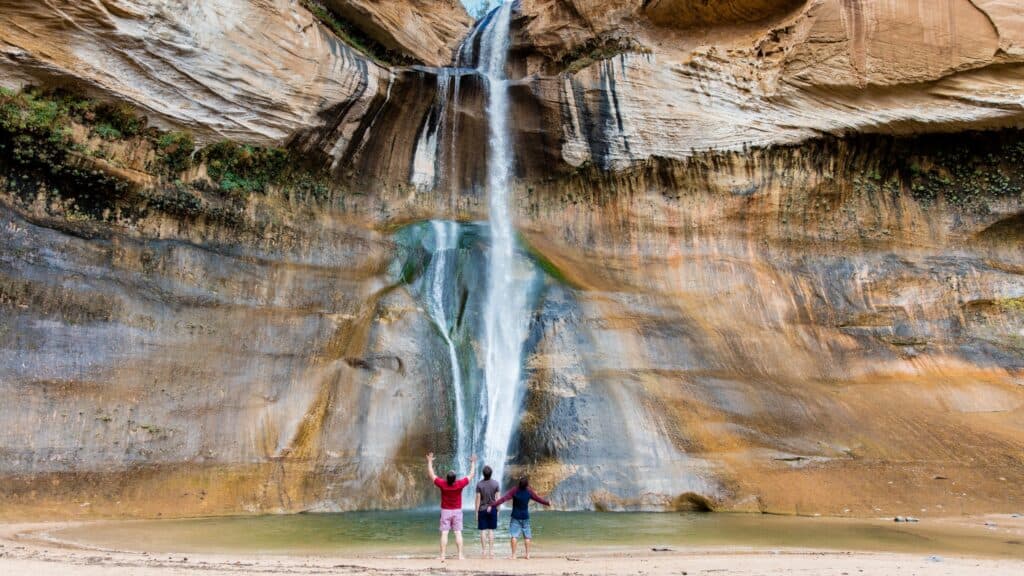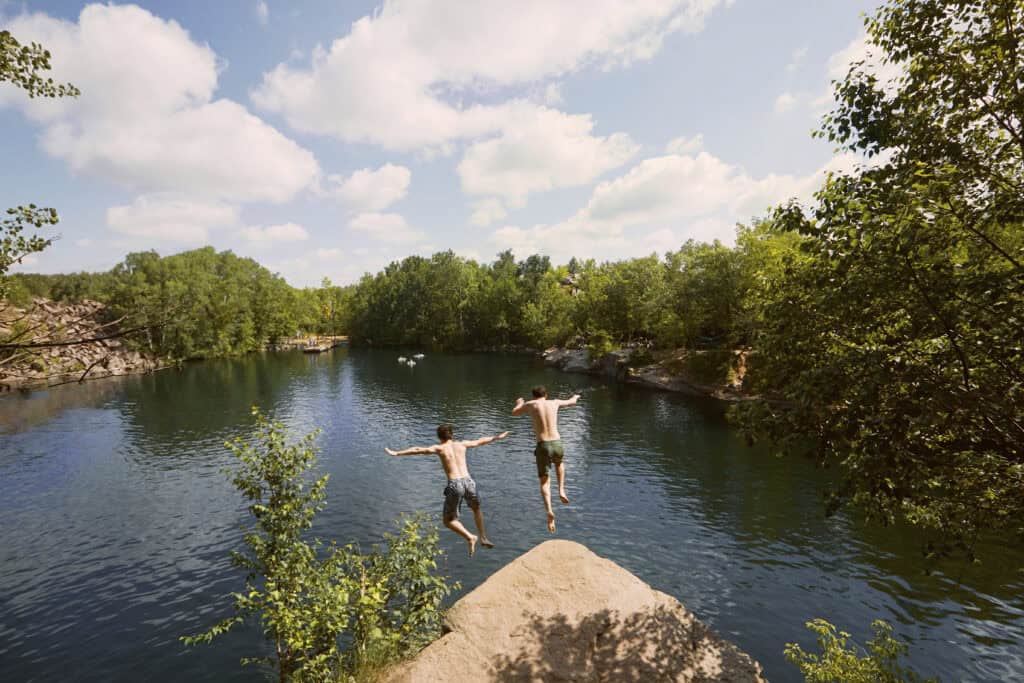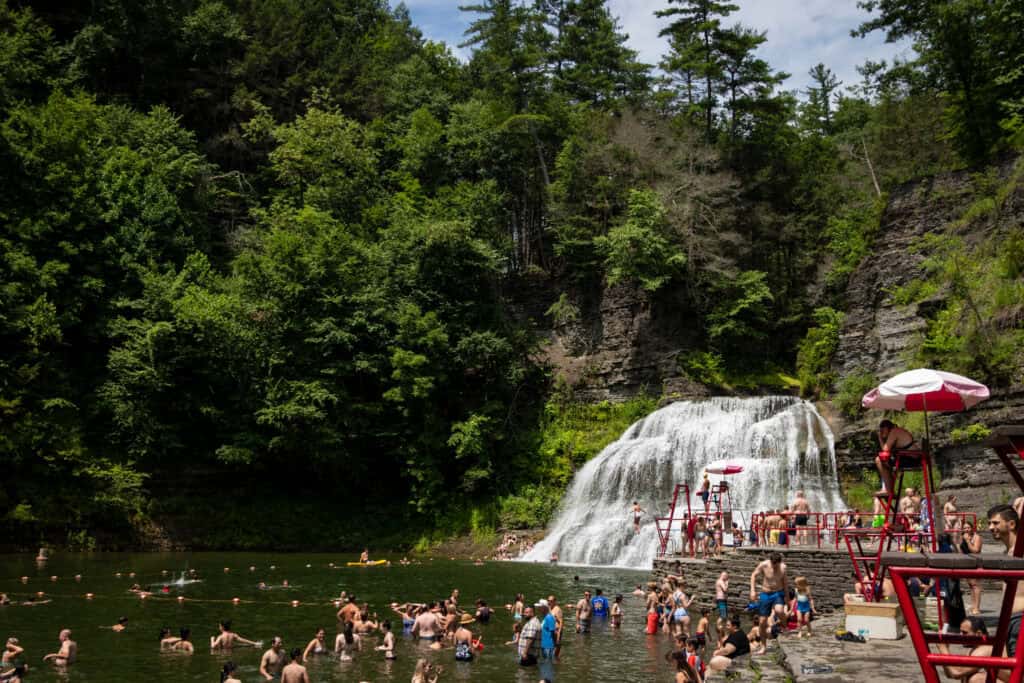
From cascading waterfall pools and spring-fed lakes to a hidden sliding rock and the shores of an ancient ceremonial site, this is your must-read guide to Georgia’s best secret swimming spots, covering everything from how far you’ll have to hike (or drive!) to what permits you’ll need before diving in.
If there is one thing Georgia is known for, it’s its hot, humid, subtropical climate. During the dog days of summer, daytime temperatures often exceed 95 degrees. Needless to say, the state’s capital, Atlanta, gets its nickname of “Hot-lanta” honestly.
Thankfully, however, the Appalachian Mountains in the northern part of the state, paired with the Peach State’s many lakes and rivers, create several surprising places to beat the heat, including natural swimming holes—and a few that seem as organic as they look.
When a chlorine or salt-filled pool simply won’t do, and you’ve exhausted all of the outdoor festivals and fun you can find, head to these natural wonders around the state to take a cooling plunge.
Edge of the World
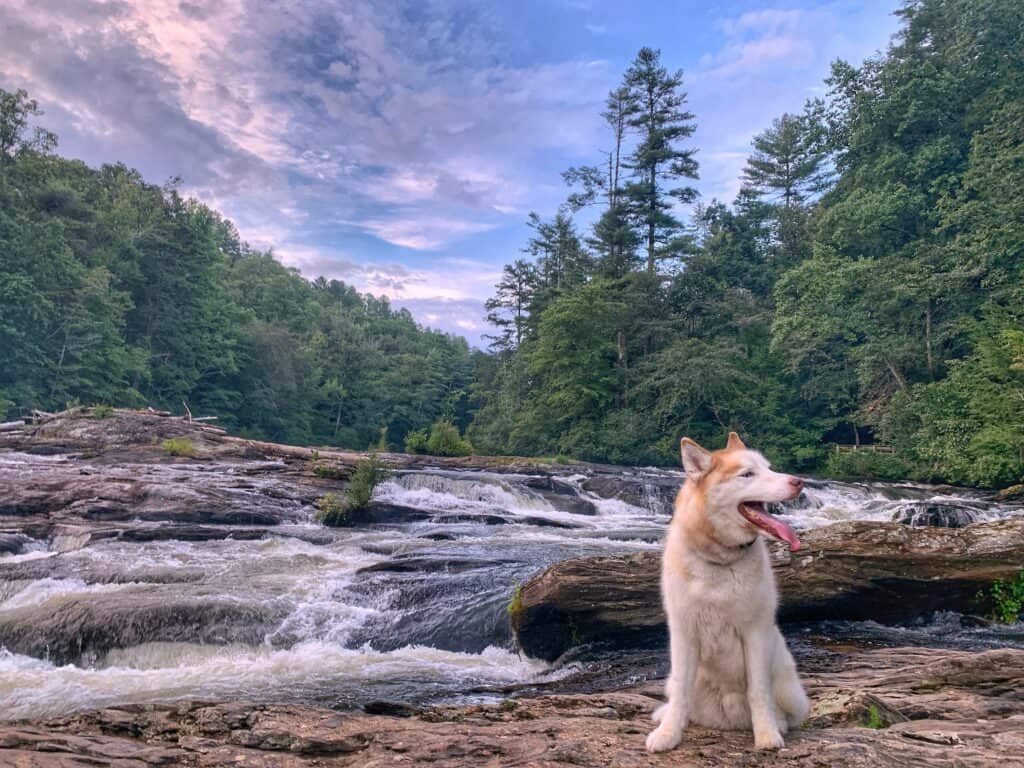
While thrill-seekers might enjoy this Dawsonville trail for its access to some of the region’s most challenging white water rapids, those looking to relax will enjoy what awaits at the base of the flow.
After a dramatic series of river shoals and rapids, the rushing Amicalola River water plunges into large, calm swimming pools, perfect for recovering after rafting. Getting there is easy, too.
A half-mile boardwalk trail, complete with ADA-compliant platforms, winds down from the parking area as part of a larger trail network.
Toonigh Creek Falls
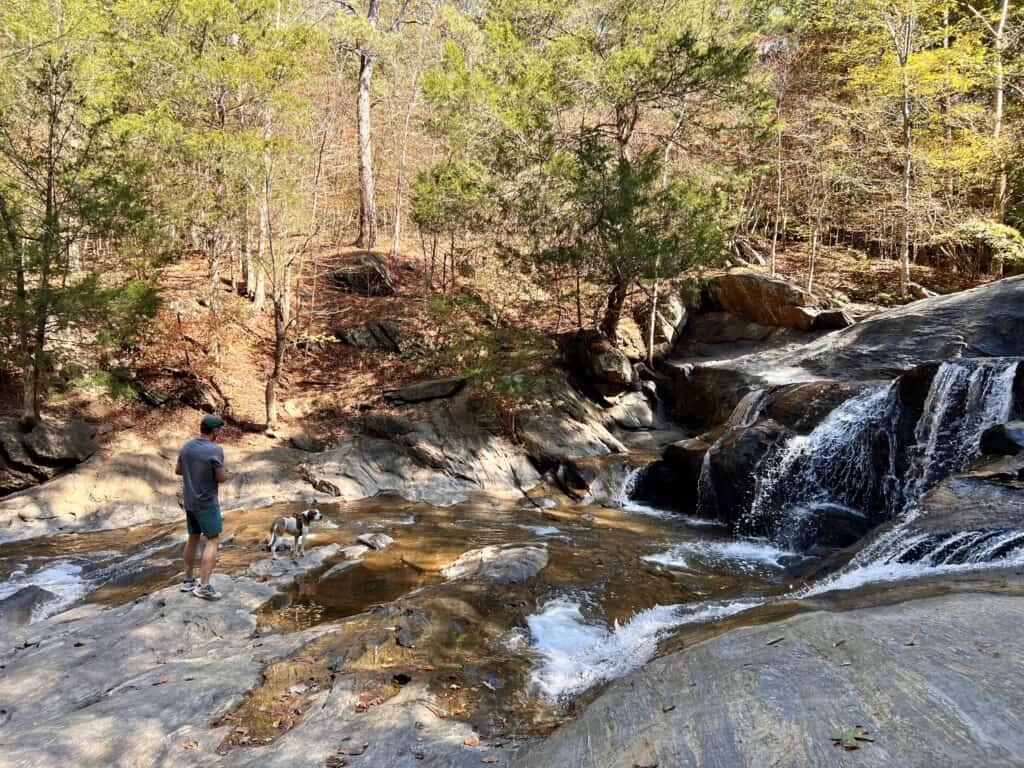
As an unofficial trail located in Woodstock at Olde Rope Mill Park, this shallow pool and cascading waterfall is for those who want to be in the know. The secret hike begins at the Little River pedestrian bridge before following foot-carved paths that eventually lead to the 20-foot drop.
Use the sound of the falls as your guide to stay on track and enjoy the scenic views before cooling off in its basin. The water ultimately releases into nearby Lake Allatoona.
Since this trail remains largely undiscovered, it also remains unpaved, making it ideal for those with more stamina and hiking experience.
Long Creek Falls
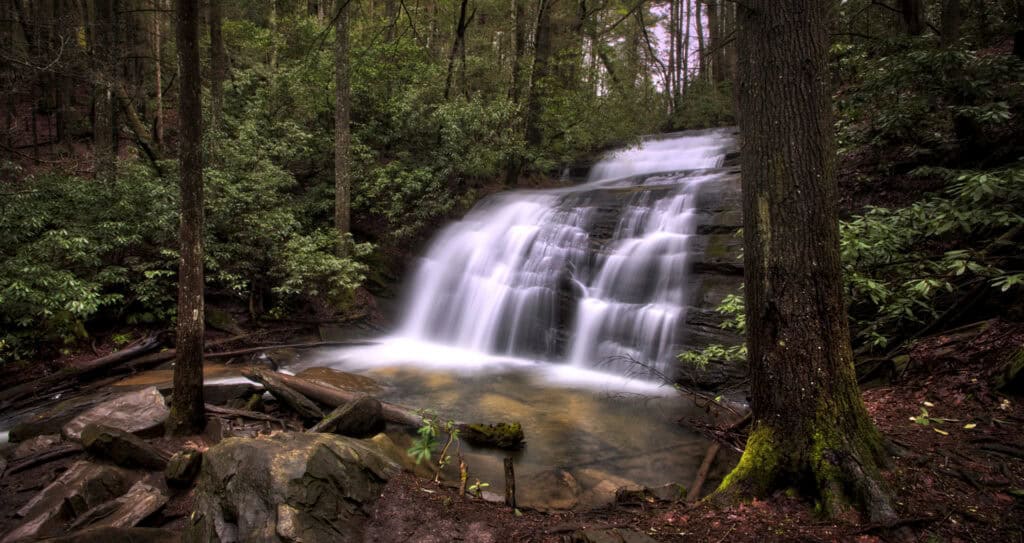
Deep within the lush Chattahoochee National Forest in Blue Ridge and accessible via a scenic, shaded two-mile round-trip hike along the combined Appalachian and Benton MacKaye Trails, Long Creek Falls is a moderate hike with the ultimate reward, a 50-foot cascading waterfall.
At the end of the trail, the falls empty into a wide natural plunge pool for a refreshing mid-hike break.
As a bonus, the road that winds to the trailhead follows Noontootla Creek, which offers several areas to pull off for a picnic.
Wildcat Sliding Rock
At just eight feet, this one is barely a waterfall, but its easygoing slide and swimming hole have made it a summer favorite regardless.
The falls sit nearly roadside off Wildcat Creek Road, with a short path leading to the base for those who’d rather skip the hike altogether. For those who value the journey as much as the destination, the Wildcat Trail offers a longer approach, building anticipation as the sound of rushing water grows louder with each step before the falls finally come into view.
Either way, the result is the same: A small cascade perfect for sliding down and cooling off on a hot day.
Raven Cliff Falls
At the end of the Raven Cliff Falls Trail near Helen, Dodd Creek funnels into an enormous fracture splitting a towering granite cliff, where the water cascades and pools at the base before continuing downstream.
Thick moss and draping foliage cling to the rock on either side, keeping the air cool even on the hottest days. Reaching it takes some effort via a steady 2.5-mile climb through forest and wildflowers before the cliff comes into view, but the payoff is worth it.
Blue Hole
This swimming area near Hiawassee is fed by High Shoals Creek and gets its name honestly; a deep, cold, blue pool awaits at the bottom.
The mountain-chilled reservoir is accessed via the High Shoals Fall trail. Once you’re done with your dip, switch back to where you started, or continue a bit further to see the second, trail-named waterfall.
The round-trip experience is just over two miles, making it well worth the steps.
Helton Creek Falls
With swimming holes at the base of both its upper and lower falls, Helton Creek Falls is an easy choice for anyone short on time or stamina. The hike is barely a hike at all, just 0.3 miles, though that ease of access means it fills up fast, especially in summer.
The lower falls offer a smaller, shallower pool well-suited to youngsters, while the upper falls open into a larger swimming hole better suited for more experienced swimmers. The rocks here are notoriously slippery, so appropriate footwear is recommended.
Bridal Veil Falls
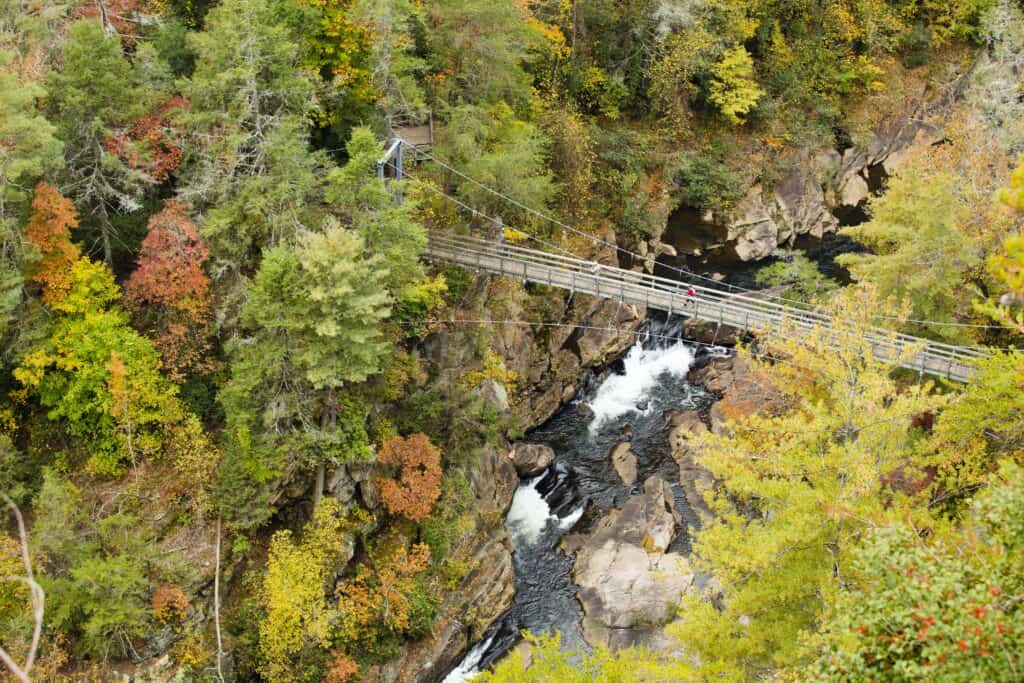
Known by locals as Sliding Rock, Bridal Veil Falls offers the only spot in Tallulah Gorge where swimming is permitted, but it will take some effort to get there.
First, access requires a Gorge Floor permit from the park office, which is limited to just 100 visitors each day. Needless to say, the early bird gets the worm.
Once you’ve descended more than 500 stairs to the gorge floor, you’ll have to navigate boulder fields along the base before arriving at the destination. Here, a 20-foot natural rock slide drops swimmers straight into a turquoise pool.
Despite the demanding journey, or perhaps because of it, Bridal Veil Falls remains one of the most popular swimming holes in the region.
Lake Kolomoki
Within Kolomoki Mounds State Park, a site shaped by Native Americans who once occupied the land, spring-fed Lake Kolomoki offers a quiet place to swim amid the park’s scenery and ancient ceremonial mounds.
The day-use area’s beach is open from sunrise to sunset for lounging and swimming. There is also plenty to enjoy beyond the water, without getting too far from the shore. The Spruce Pine Trail traces views of both Lake Kolomoki and neighboring Lake Yohola.
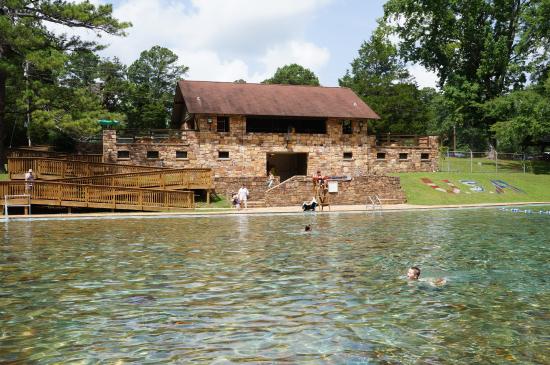
Liberty Bell Pool at F.D. Roosevelt State Park
Fed by cold spring water that flows directly from the nearby mountain landscape, this pool feels remarkably organic despite being a constructed swimming hole. It was built with natural Pine Mountain quartz, and towering pine trees help it blend seamlessly into its surroundings.
Holding 533,000 gallons of water, it’s one of the state’s largest spring-fed pools. Since it doesn’t require a hike to reach, this pool is accessible to anyone in need of a refreshing dip.
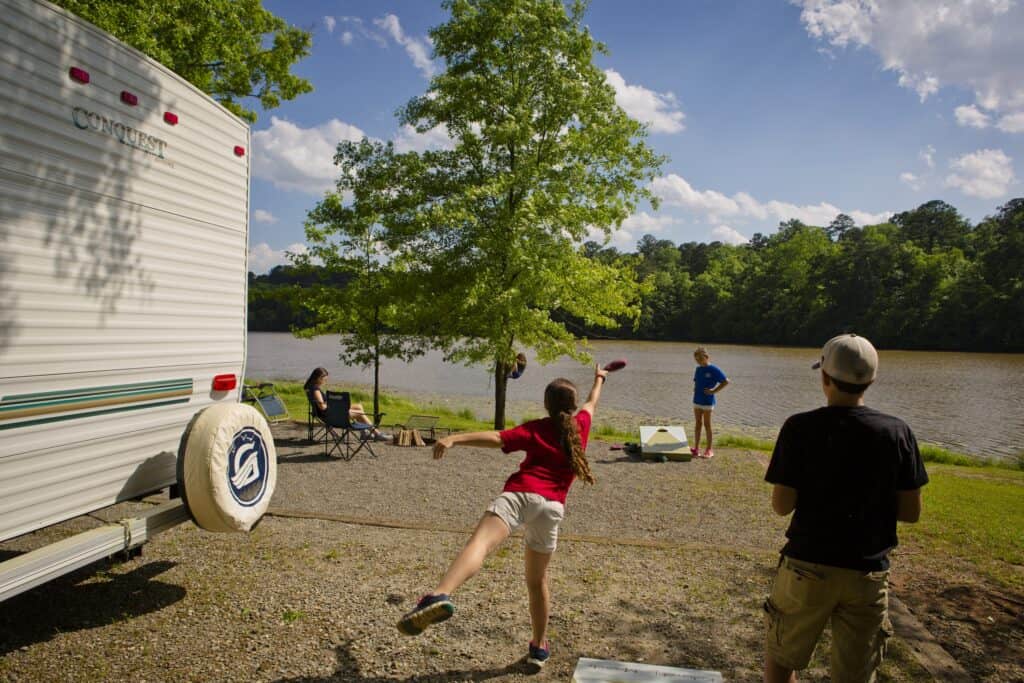
Don Carter State Park
Lake Lanier might be man-made, but the fun to be had here is anything but artificial. The first and only state park on 38,000-acre Lake Lanier, Don Carter State Park is situated on the lake’s northern shoreline in Hall County.
There is a sandy beach for enjoying the sun and a corresponding bathhouse for changing. The swimming area is roped off for swimming safety, making it ideal for families.
The park features picnic pavilions, kayak rentals, horseback riding trails, and even camping sites for RVs and tents for those seeking an overnight visit.
Remember that the best park visitor is one who seems as though they were never there. Georgia is a stern believer in Leave No Trace (LNT), which refers to the principles and guidelines that protect the state’s natural resources. That means staying on designated trails, disposing properly of waste, abiding by regulations, and showing respect for other visitors and any wildlife you encounter.