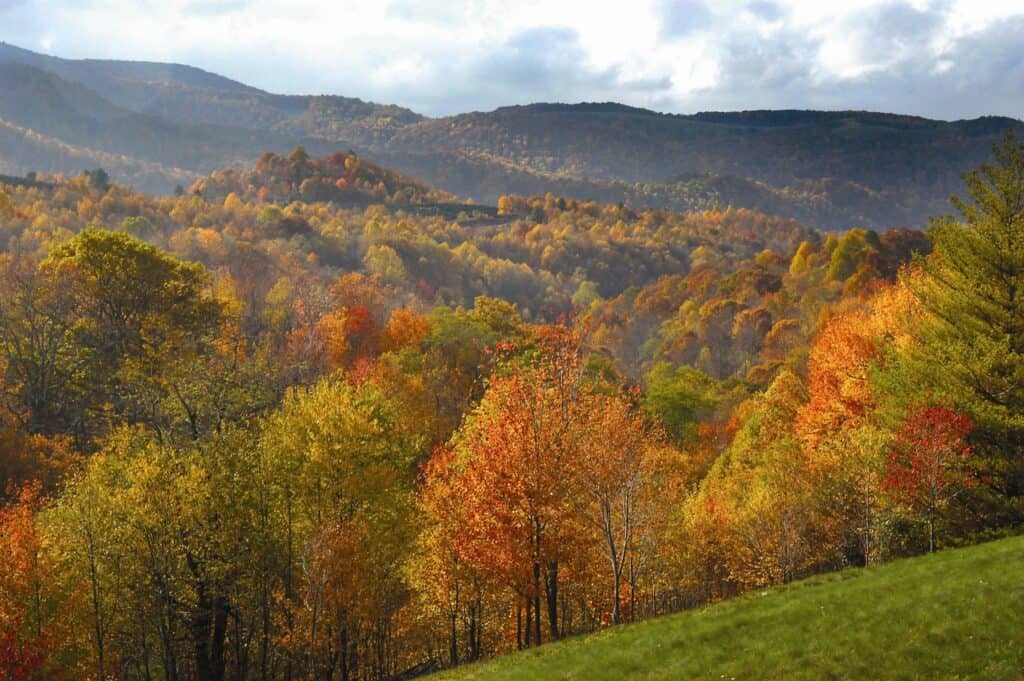
Looking to get in touch with the wilds of the Granite State? Try dispersed camping in New Hampshire for an all-natural getaway.
Summer in New Hampshire is here, and what better time to head out and enjoy the wild side of the state? From hiking to swimming to rock climbing to sailing, New Hampshire is full of great ways to get outside. But what if you really want to take it to the next level? Then you just might be ready for dispersed camping.
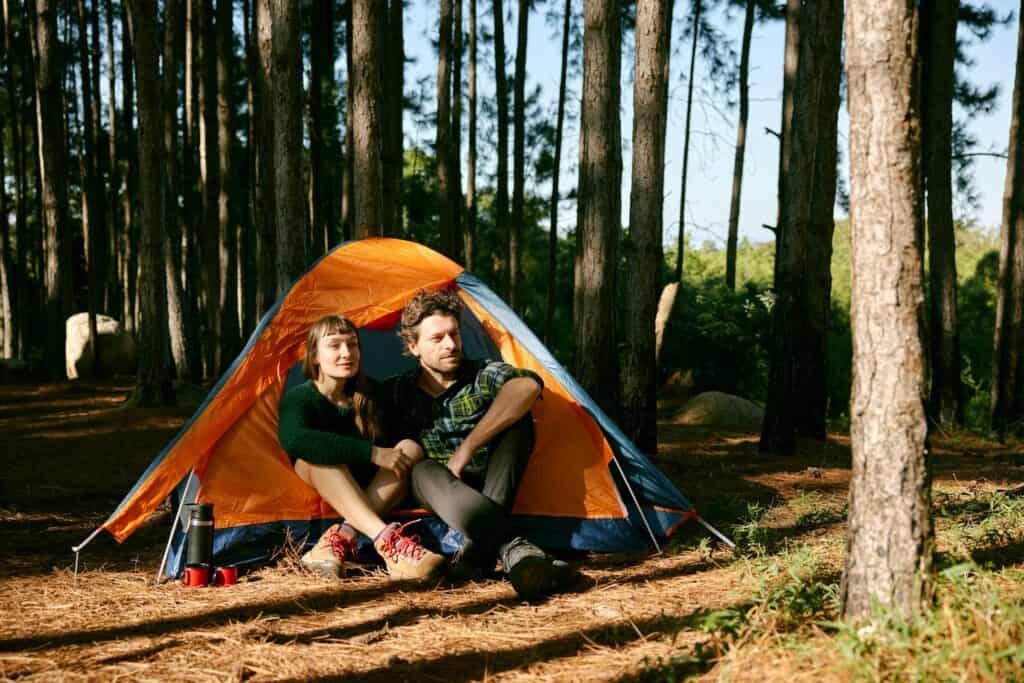
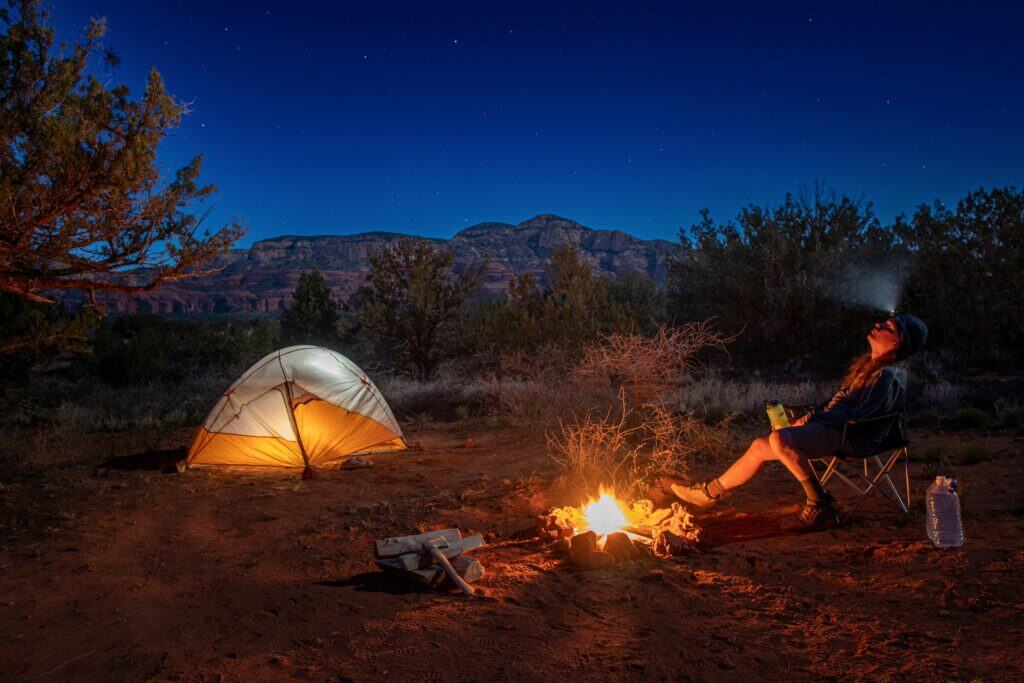
If you’ve never tried dispersed camping, in New Hampshire or elsewhere, it’s also known as “wild camping.” Unlike traditional camping at a designated campsite, dispersed camping means just setting up camp in a tent, out of a car, or in an RV, on any spot where it’s legal to do so. As dispersed camping involves camping at sites with no facilities, including shower blocks, restrooms, designated sites to make campfires, or waste disposal, it’s important to operate on a strict “leave no trace” policy while dispersed camping in New Hampshire to avoid harming local wildlife or the broader ecosystem.
But where should you go for a New Hampshire dispersed camping trip? Well, there are generally two types of spots in New Hampshire that allow dispersed or primitive camping: National Forests and State Parks. Within those two categories, there will be multiple camping areas to choose from. With that in mind, and without further delay, take a look at some of the Granite State’s wildest, and most beautiful, dispersed camping spots.
Pillsbury State Park
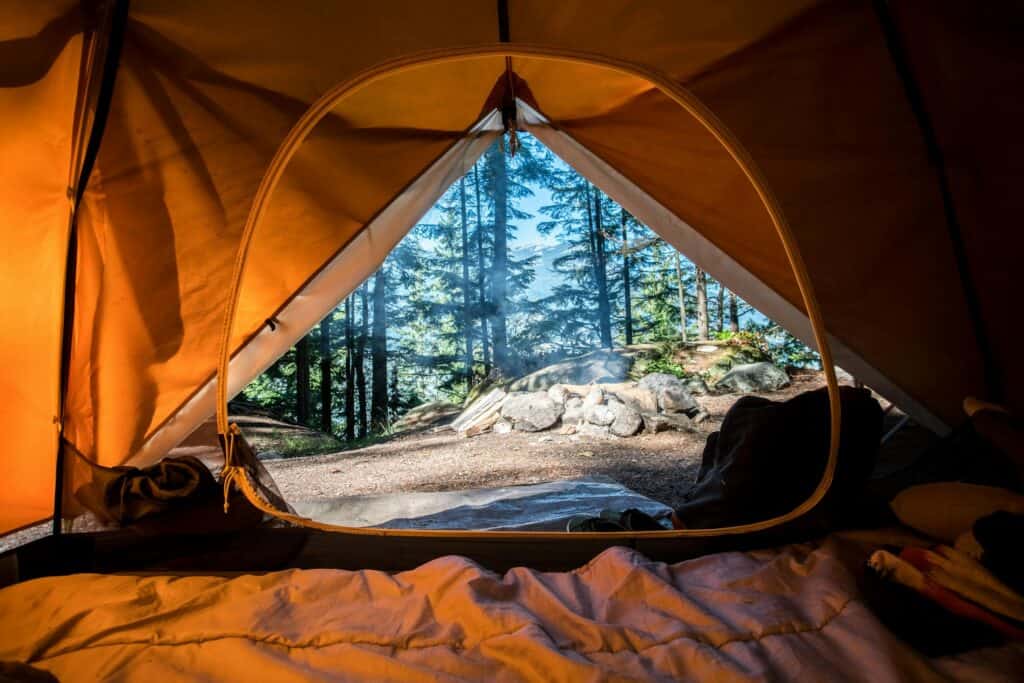
Pillsbury State Park is the only one of New Hampshire’s State Parks that allows year-round availability for what they refer to as “primitive camping.” This is slightly different from “true” dispersed camping in that campers may have some minimal amenities, like cleared spaces to set up camp, or fire pit sites to make a campfire, but is far closer to dispersed camping than to a fully-equipped campground with plumbed-in shower blocks, waste disposal, and other amenities.
At Pillsbury State Park, the primitive campsites closest to dispersed camping, both in terms of distance from other campers and park visitors, and in terms of minimal amenities, will be listed as “remote” on the park’s booking website. These sites will often be reachable only by hiking or boating, meaning that car campers and RV users won’t be able to access them.
However, for those who brave the trip, you’ll be rewarded with unspoiled woodlands and crystal-clear lakeside views, with plenty of opportunities for hiking, swimming, kayaking and canoeing, birdwatching and more.
NOTE: While dispersed or primitive camping at a New Hampshire State Park in the summer months is only available at Pillsbury State Park, in the winter, Monadnock State Park goes into “primitive season” starting in late October. This means that, with the exception of their “HQ” camping spot, the park’s campsites will not offer amenities like running water, and will instead be used for primitive camping, making this park a good opportunity for dispersed-style camping in the colder months.
Just be sure to pack plenty of warm clothing, as New Hampshire winters can be very cold indeed even in the earlier part of the season, and take care to avoid winter camping when the weather is forecasted to be snowing, icy, or dangerous.
White Mountain National Forest
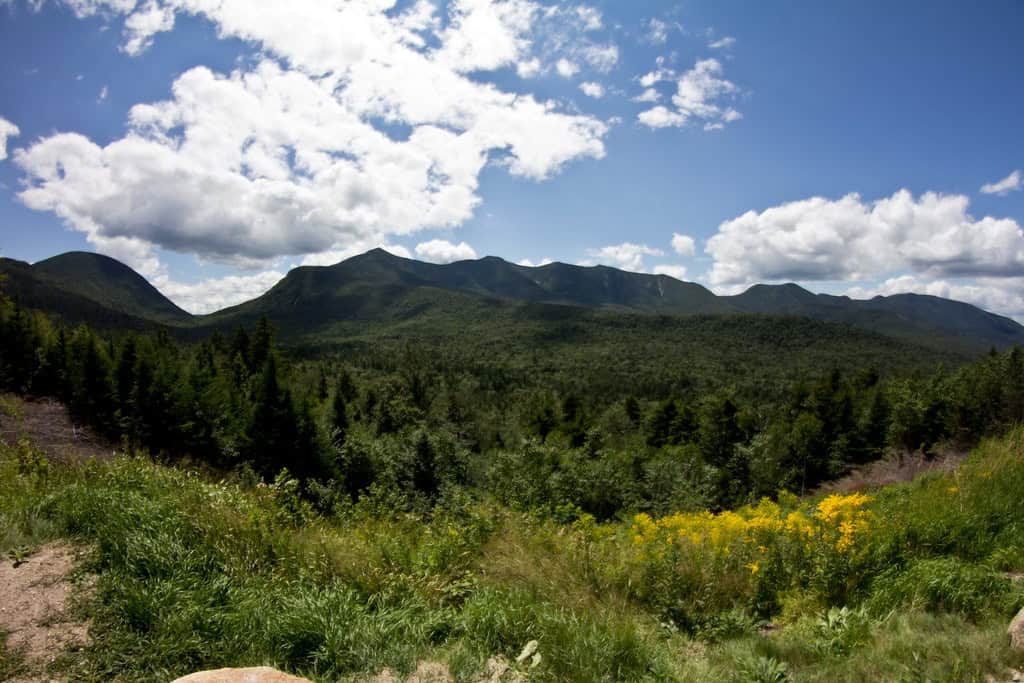
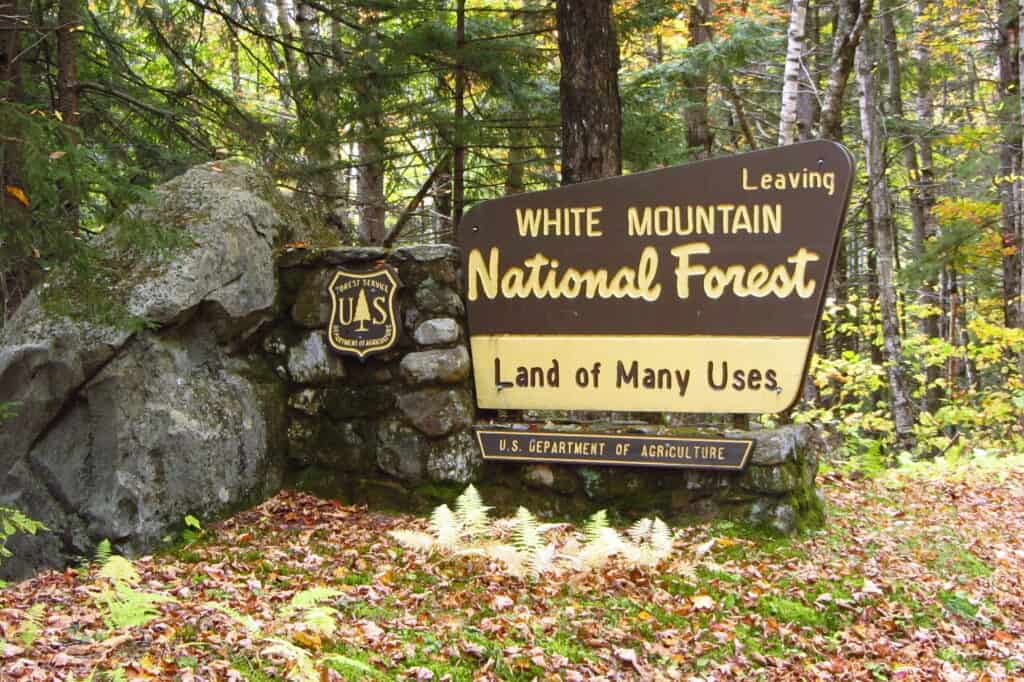
The absolute jackpot for New Hampshire dispersed camping lies in White Mountain National Forest. This forest covers a whopping 800,000 acres, with a variety of different campgrounds and campsites, including traditional campsites and even cabins managed by the National Forest Service. But for dispersed campers, the possibilities are even greater.
While there are a dozen dispersed campsites in the White Mountain National Forest that have been rated by campers on the popular camping website The Dyrt, a few are true standouts. For instance, if you’re looking for a site that’s remote and wild, but still vehicle-accessible, the Cherry Mountain Road site, located near the town of Bretton Woods, comes highly recommended.
Campers note that this site, which is located in a densely wooded area near the Cherry Mountain trailhead, offers peace, quiet, and a true no-amenities sense of wildness, with only minimal road noise from nearby vehicles. Visitors can even hike to nearby Ammonoosuc Falls for a beautiful waterside view.
Another White Mountain National Forest site receiving praise from experienced campers is Town Hall Road, a dirt road trail dotted with pet-friendly, frequently vehicle-accessible dispersed camping sites once you’ve passed the nearby residential areas. This region is full of rivers, creeks, and streams, which means the sound of running water to lull you to sleep after a long day outdoors.
However, those who fear insects should take care; not only does the water attract mosquitoes and other bugs during the warmer months, travelers have posted pictures of caterpillars and even spiders they saw on their excursions here.
For those who are relatively new to dispersed camping, or just appreciate a certain amount of ease when it comes to pitching a tent, you should consider the Guyot Shelter dispersed camping site. This White Mountain National Forest location offers wooden viewing platforms where you can also pitch your tent for free dispersed camping.
This can be especially nice both for the smooth area that’s relatively simple to make camp on, and for the scenic views you’ll enjoy of sunrises and sunsets over the forest. There are also basic toilet facilities, a water source, and a “bear box” for safely storing food, making the site a popular combination of remote mountain forest and amenities for safety and comfort.
Whichever dispersed camping site you choose will depend on your camping experience, preferred location, and whether you want to camp from a car or RV or just pitch your tent. Whatever you choose, though, remember to follow camping safety procedures, including carrying emergency supplies, having a way to call for help, and avoiding getting too close to local wildlife, especially bears and other large animals. Clear your campsite thoroughly when you break camp to ensure the site stays unspoiled for future campers and the ecosystems around the site can continue to flourish. Good luck, and happy camping!