Iowa’s data center boom is raising questions about electricity costs, water use, tax incentives, and local control. Here’s what to know about the debate and the policies under consideration.
With Iowa’s midterm elections approaching, data centers have become a prominent issue in campaigns and community meetings across the state. The debate centers on how Iowa should manage the rapid growth of facilities that power cloud computing and artificial intelligence—and who should bear the costs.
The issue has reached the congressional and gubernatorial races. Christina Bohannan, the Democratic candidate for Iowa’s 1st Congressional District, has said data centers should not be built in communities that oppose them.
In the governor’s race, Democrat Rob Sand and Republican Zach Lahn have both called for changes to how the state regulates and taxes the facilities, though their proposals differ.
Meanwhile, local governments are weighing restrictions, residents are raising questions about environmental and health impacts, and lawmakers are considering additional requirements for developers.
Here’s a closer look at why data centers are drawing scrutiny in Iowa and what the debate could mean for communities across the state.
Why are data centers coming to Iowa?
Iowa has attracted major data center investments because of its access to electricity, available land, renewable energy resources, and tax incentives. Companies including Microsoft, Google, Meta, and Apple operate large data center facilities in the state.
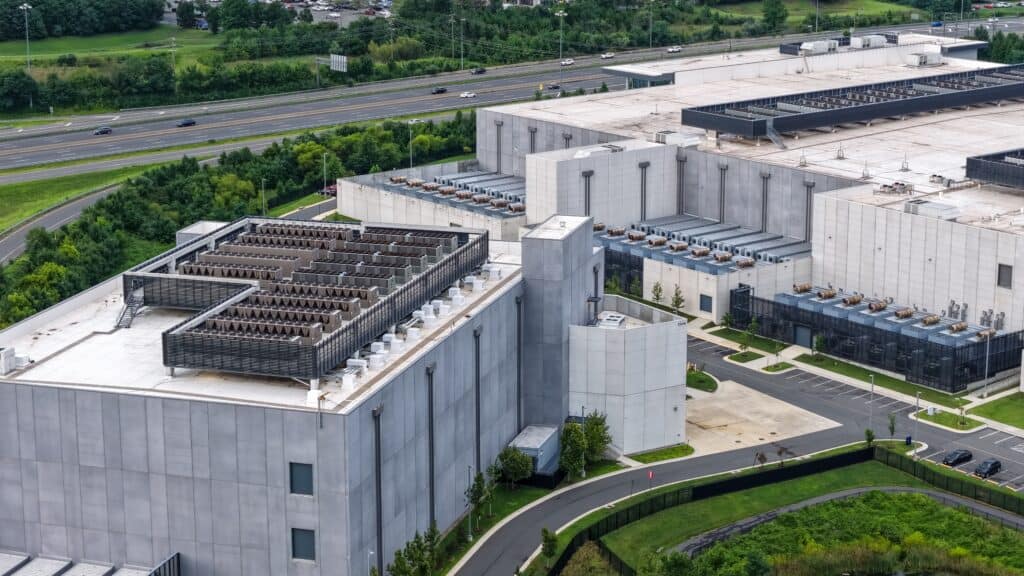
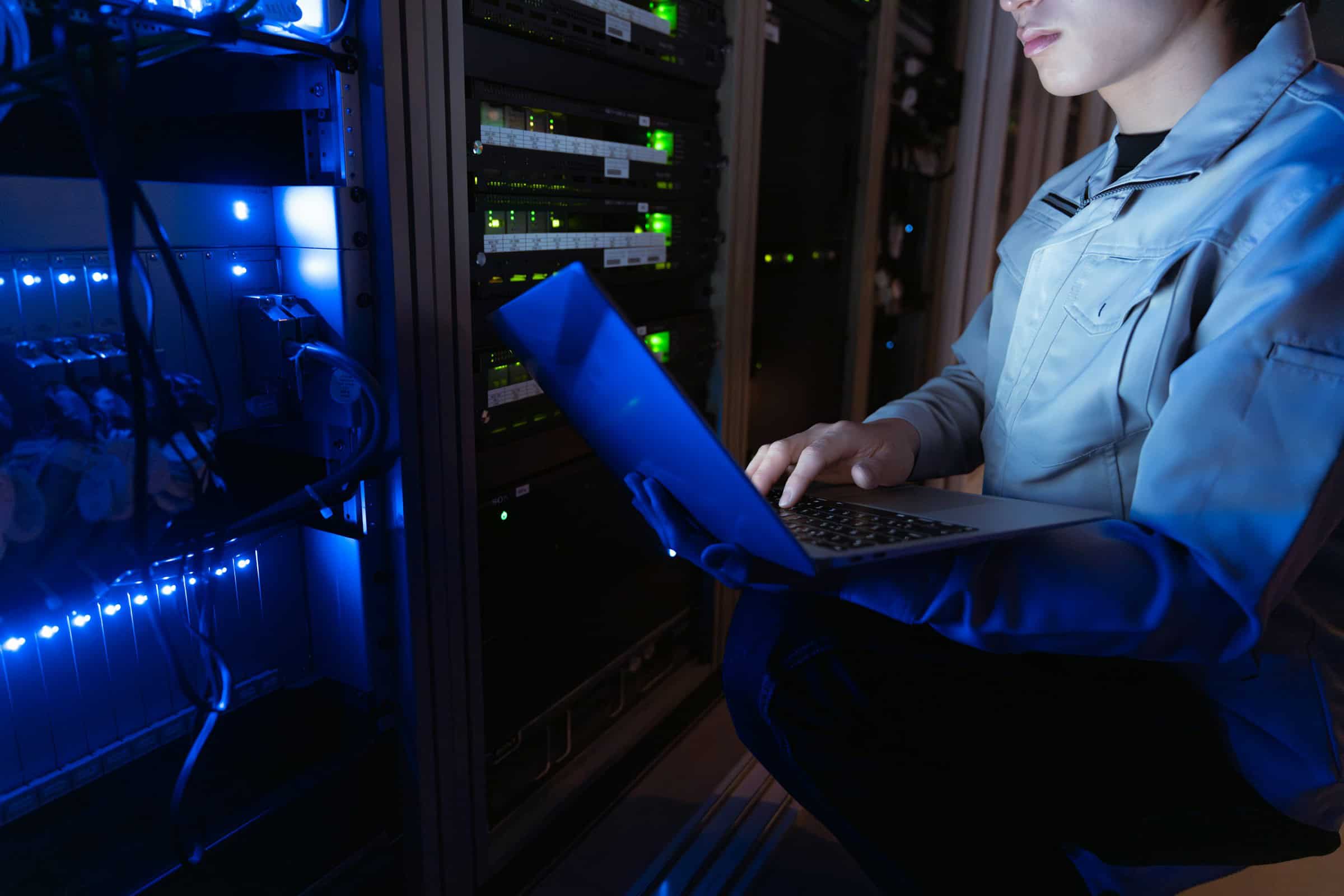
These facilities house computer servers and networking equipment that support online services, cloud storage, and artificial intelligence. Large-scale campuses, sometimes called hyperscale data centers, can require substantial amounts of electricity and cooling capacity.
As demand for AI computing grows, companies are seeking more space and power to expand their operations. That investment can bring construction activity, new infrastructure, and additional taxable property value. However, the scale of the facilities has prompted questions about their long-term effects on local resources and public services.
Electricity costs and water use are major concerns
Two of the most prominent questions involve how much electricity and water data centers require, as well as how those demands could affect existing customers.
Who pays for the power?
Data centers can consume electricity on a scale comparable to that of a small city. Serving them may require new transmission lines, substations, and additional power generation.
Residents and consumer advocates worry that if utilities spread the costs of new infrastructure across their customer base, households and other businesses could face higher electricity bills. The extent of that risk depends on how projects are financed, how utilities structure their rates, and whether large customers pay the full costs associated with serving them.
Industry supporters argue that data centers should pay for the infrastructure needed to serve their facilities rather than shift costs to other ratepayers. Organizations such as Growing Iowa’s Economy have promoted the economic case for development and the importance of ensuring that large industrial customers cover their costs.
The disagreement is over how those protections should work in practice and how regulators can verify that other customers are not subsidizing the expansion.
How much water do data centers use?
Water demand is another point of debate. Some data centers use water-based cooling systems, while others rely on air cooling or closed-loop systems that recirculate coolant. Consumption varies by facility design, operating conditions, and cooling technology.
Supporters of development point out that water use differs substantially from one facility to another and that some systems are designed to limit consumption. The City of Norwalk and Bright Future Iowa offer perspectives on the economic and infrastructure considerations surrounding data centers.
Critics want more transparency about water consumption, particularly in communities where groundwater supplies and municipal water systems are already under pressure. They argue that local officials need reliable information about a proposed facility’s expected demand and its potential effects on other water users before approving development.
Why are data centers becoming a political issue?
Data center development has emerged as a campaign issue in Iowa’s 2026 elections, with candidates debating tax incentives, utility costs, environmental protections, and the role of local governments.
In the governor’s race, both Sand and Lahn have called for ending state tax breaks for data centers. Their proposals differ in other areas.
Sand has called for companies to pay the full costs associated with their projects, greater public disclosure of energy and water use, and stronger community involvement in approval decisions. His data center policy plan outlines his proposed approach.
Lahn has proposed a temporary moratorium on new data centers while state requirements are developed. He has also called for raising property taxes on data centers to five times the standard rate, with the stated goal of helping reduce property taxes for Iowa residents.
The debate reflects a broader question: how can Iowa continue attracting business investment while protecting existing utility customers and giving communities a meaningful role in decisions that affect them?
Local governments consider restrictions
The debate is not limited to the Statehouse. Cities and counties across Iowa are considering how to regulate data centers, with some adopting temporary moratoriums while they develop rules for future projects.
A moratorium temporarily pauses certain approvals or applications. It does not necessarily amount to a permanent ban. Local governments may use the time to study potential impacts, consult residents and utilities, and establish zoning standards.
Linn County, for example, adopted an ordinance in February 2026 setting requirements for data center development in unincorporated areas. The rules address issues including noise, traffic, emergency planning, and water availability. In July, the county approved an 18-month moratorium on accepting new applications to rezone property for large-scale data centers while officials review the regulations and broader infrastructure impacts.
Other communities have pursued their own approaches. The Clean Energy Districts of Iowa resource hub tracks local ordinances, restrictions and proposals, illustrating how responses vary by jurisdiction.
What legislation is being considered?
State lawmakers have considered proposals addressing the electricity and water demands of data centers.
House File 2690 concerns water and energy use, including reporting requirements and utility tariff provisions intended to address how infrastructure costs are allocated.
House File 2001 proposed water-efficiency requirements for data centers, including provisions addressing cooling technologies and the use of nonpotable or recycled water.
Beyond legislation, the Hubbell Environmental Law Initiative at the University of Iowa College of Law is developing resources to help local officials evaluate data center proposals and make informed decisions.
What happens next?
Iowa’s data center debate is likely to continue as companies pursue new projects, communities refine their regulations, and state leaders consider changes to tax incentives and infrastructure policy.
The outcome will depend in part on how policymakers address competing priorities: attracting investment and supporting economic development while managing electricity demand, protecting water resources, and ensuring that existing customers are not left paying for costs associated with new facilities.