From utility bills to wetlands, here’s why many Michiganders are pushing back on data centers.
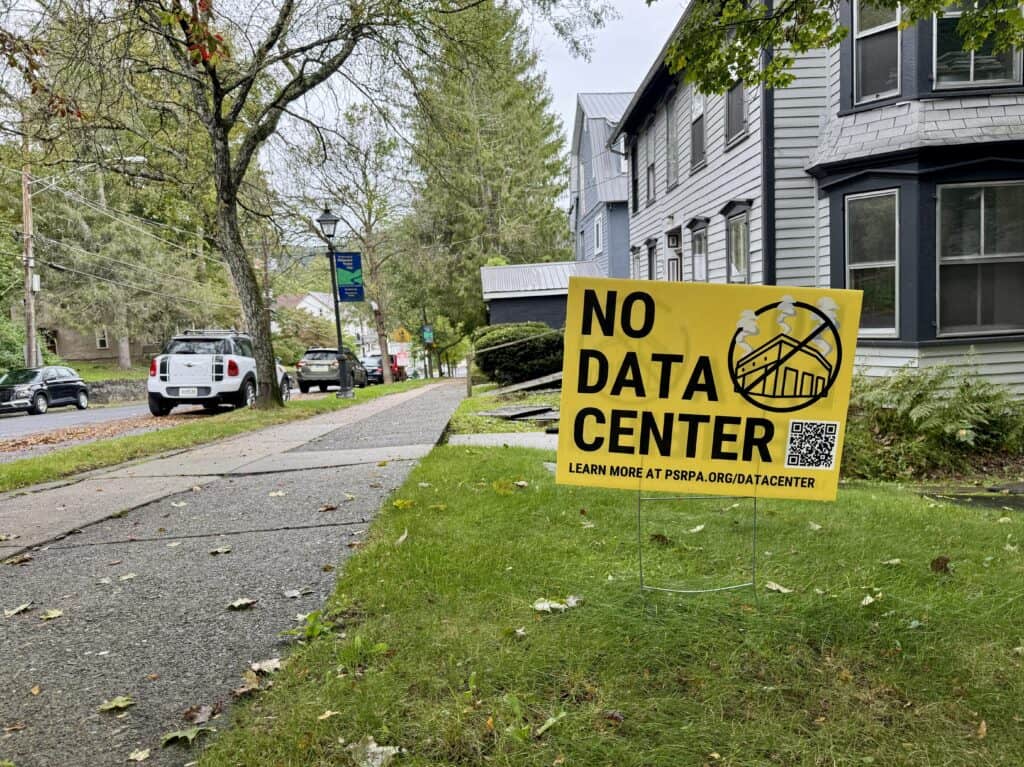
Data centers are everywhere—or, at least, the conversation about them is. You’ve probably heard politicians from both sides of the aisle share their thoughts on the topic (in fact, it’s one of the rare topics drawing criticism from both parties) and noticed yard signs from concerned residents who want to keep data centers out of their Michigan communities.
But what’s behind the hullabaloo? Why are neighbors banding together in opposition? We’ll break it down. First, we should answer an important question: What are data centers, exactly?
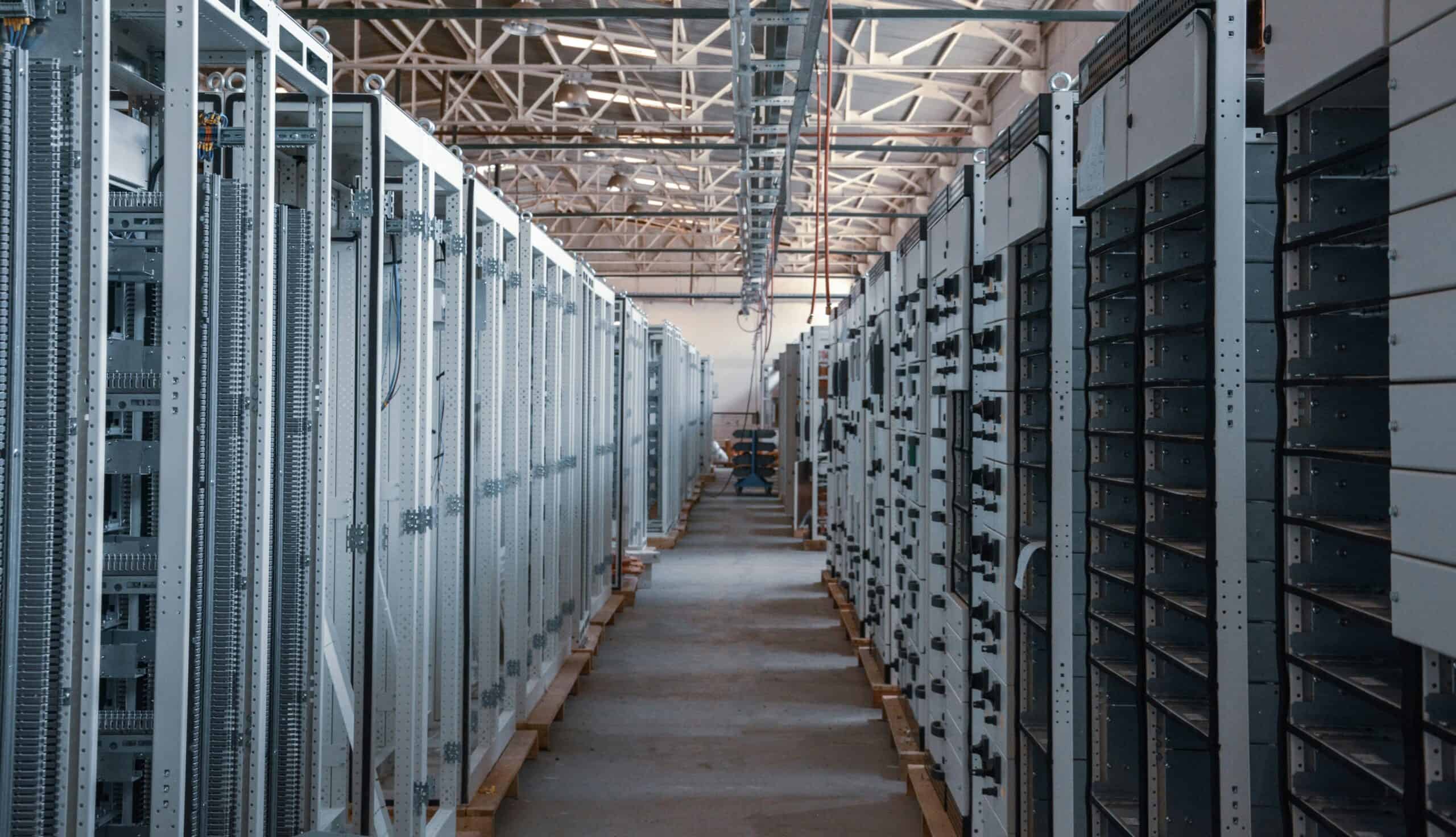
Per IBM, “A data center is a physical room, building, or facility that houses IT infrastructure for building, running, and delivering applications and services. It also stores and manages the data associated with those applications and services.”
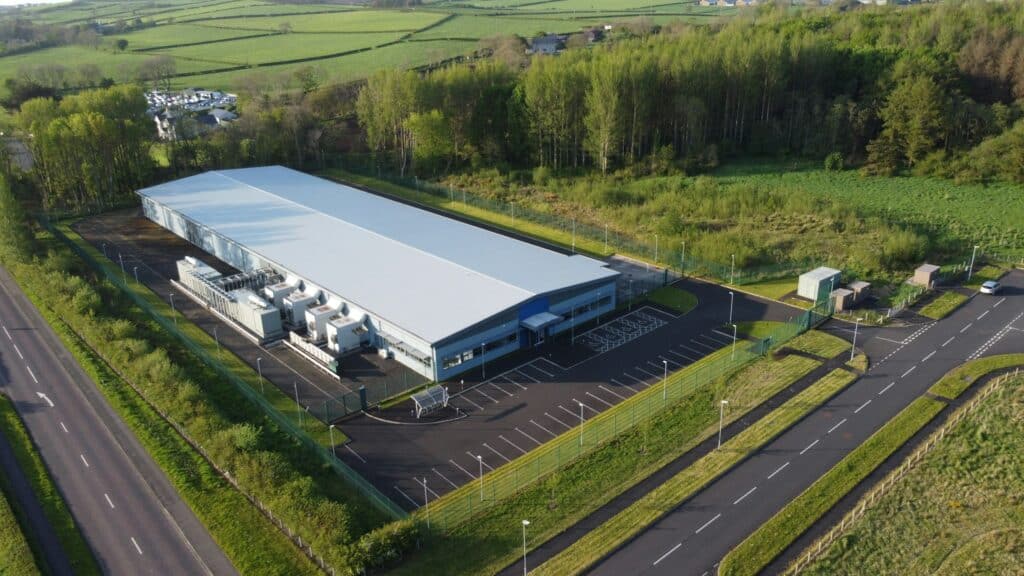
Data centers are often located on expansive campuses. These facilities are usually referred to as “hyperscale” data centers and are operated by major tech companies—think Meta, Microsoft, or Google—to provide AI and cloud computing services at a huge scale. Essentially, these centers are the “behind-the-scenes” engine of tech activities, housing huge servers that process everything from credit card swipes to app downloads.
Before diving in, learn about what’s happening in your own backyard. The ‘Gander published an interactive data center tracker map where you can keep an eye on every known data center project—whether proposed or under construction—statewide.
Here are four reasons Michiganders are pushing back on data centers:
1. Higher utility bills
Data centers require an incredible amount of energy to function. Figures from ElectricChoice.com show that Michigan’s existing data centers consume some 1.1 Terawatt-hours annually, which is enough to power 100,000 average American households for an entire year.
When local and state utility companies pour money into building and maintaining these facilities, their costs trickle down to consumers, leading to bloated utility bills. A Michigan energy consultant estimated that each gigawatt of data center demand could increase residential electricity rates by 5%-10%, though these are not concrete figures.
October reporting from The Guardian said Michiganders could be on the hook for some $6.4 billion in data center costs after utility company DTE proposed two new natural gas plants in Metro Detroit. The company says they’ll replace coal plants set to retire in 2032; environmental groups argue the demand is clearly linked to data center activity and that ordinary customers could end up paying.
A press release from the Michigan Public Service Commission (MPSC) announced protections and safeguards designed to prevent DTE from passing most of its costs to consumers, but costs could still increase if new power plants are built. The question of who will ultimately pay for the proposed plants in the long term remains unresolved—and state regulators haven’t yet made a decision about the plants.
2. Environmental concerns
In a Michigan State University survey released in September, 70% of respondents opposed a data center in their community. Seventy-seven percent expected data centers to raise their energy bills, and 72% said they’d be bad for the state’s environment.
Their concerns aren’t unfounded: Data centers often require clearing natural habitats during construction and massive amounts of water once they’re up and running. In Van Buren Township, a Google data center called “Project Cannoli” is expected to consume up to 3.6 million gallons of water every day once completed, and reporting from Planet Detroit says the center’s construction will destroy 13 acres of wetlands.

Environmental advocates are concerned about how wetland destruction could impact local wildlife and ecosystems that help manage stormwater. During public comment ahead of the project’s approval, monitoring manager from Friends of the Rouge Lauren Eaton said the at-risk wetlands “provide critical habitat for many species but also operate as a buffer for flooding and erosion,” according to Planet Detroit.
3. Noise and unsightly appearance
Because data center campuses often require large parcels of land, rural communities are a popular setting for construction. For Michiganders in neighboring areas, this presents a whole new set of concerns about noise, light pollution, and—to put it simply—ugly infrastructure.
Data centers are loud. According to the Environment and Energy Study Institute (EESI), data center noise includes the “humming of cooling systems, rumbling of diesel generators, and whirring of fans, which can be heard for hundreds of feet around them.”
For folks in previously serene areas, this is an unwelcome change. The EESI report said people living near data centers “have reported headaches, vertigo, nausea, sleep disturbances, ear pain, and hypertension” and that other neighbors “can hear the noise day and night as a ringing in the ears.”
Residents in Wixom and Inkster have specifically cited noise as a concern in their opposition to local data center projects, and many others say they worry about brightly illuminated buildings amid otherwise dim, calm farmland or residential spaces.
In Saline Township, the issue extends beyond sights and sounds. An Oracle and OpenAI data center project in the area is already under construction and will convert portions of a roughly 575-acre property previously zoned for farming and agriculture into industrial infrastructure.
4. Long-term economic instability
You might have heard data center advocates and tech companies laud the potential for job creation that accompanies data center construction. While the construction process surely comes with additional work for contractors and crews, the promise of long-term data center employment among community members appears shaky at best.
The Brookings Institution said that “large data center projects often promise only dozens to a few hundred permanent workers while the associated construction jobs are temporary.” Further, “Wages were unchanged, and we find a modest increase in home prices of 2%-5%.”
Ben Green, an assistant professor in the University of Michigan School of Information and Public Policy, told The Harvard Gazette that jobs are a “false promise” of data centers. Sometimes, he said, construction workers are even pulled in from out of state instead of sourced from local unionized crews.
“Once the data center is up and running, it requires very few people, often just 20 to 50 staff members, because it’s not an office for software developers, product managers, or marketing experts. It is a warehouse of servers,” he continued.
So while communities could see short-term employment boosts, data center projects simply cannot be counted on to secure long-term economic benefits for local workers.