3 of New Hampshire’s largest historical societies keep the celebration of America’s 250th birthday going all fall.
The Fourth of July might be in the rearview mirror, but that doesn’t mean we stop celebrating the country’s 250th anniversary. We believe there’s no place like home to discover and celebrate America’s history, which has deep roots in New Hampshire. We think a good place to start and finish is at the state’s 200 historical societies, big and small.
And while we love those little treasure troves in our small towns and villages, the state also has larger historical societies that are more like mini-museums of oddities and artifacts that speak to our country’s and the state’s roots, from Colonial times to the present. Here are three of them that would make great trips this fall. As a bonus, each has gift shops, so you can get a jump on buying local for the holidays.
1. Manchester Historic Association
Location: Millyard Museum, 200 Bedford St., Manchester
Hours: Open year-round, Tuesday through Saturday, 10 a.m. to 4 p.m.
Museum Admission: General: $12; college students and seniors: $10; children 12-18: $6; children under 12 and members are free.
Don’t let the name fool you; the Manchester Historic Association and Millyard Museum are not just for residents of the Queen City, but for anyone interested in the state’s commercial, industrial, and social history. It’s not only a museum but an important research center; at 130 years old, it’s one of the state’s earliest historical societies.
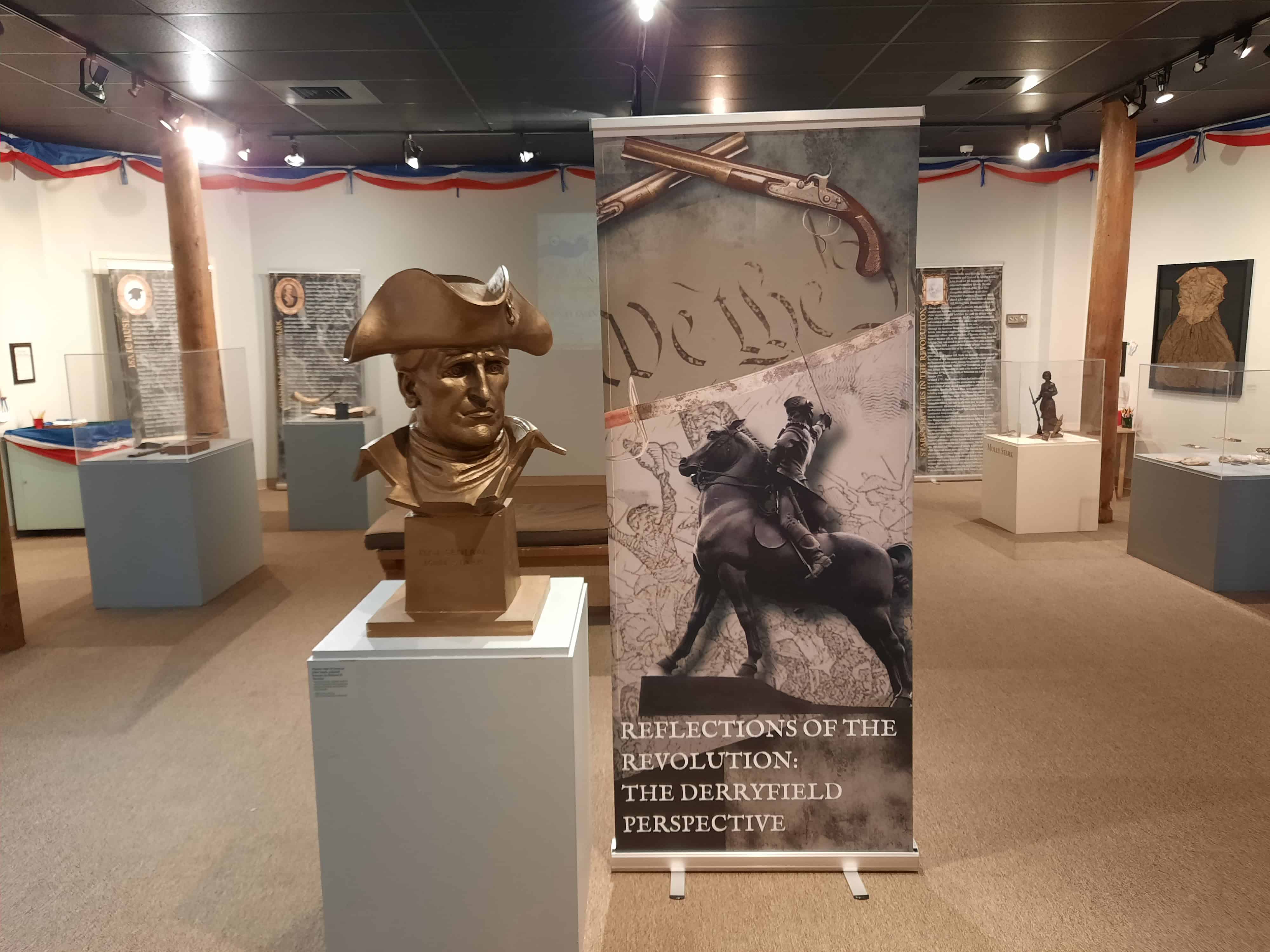
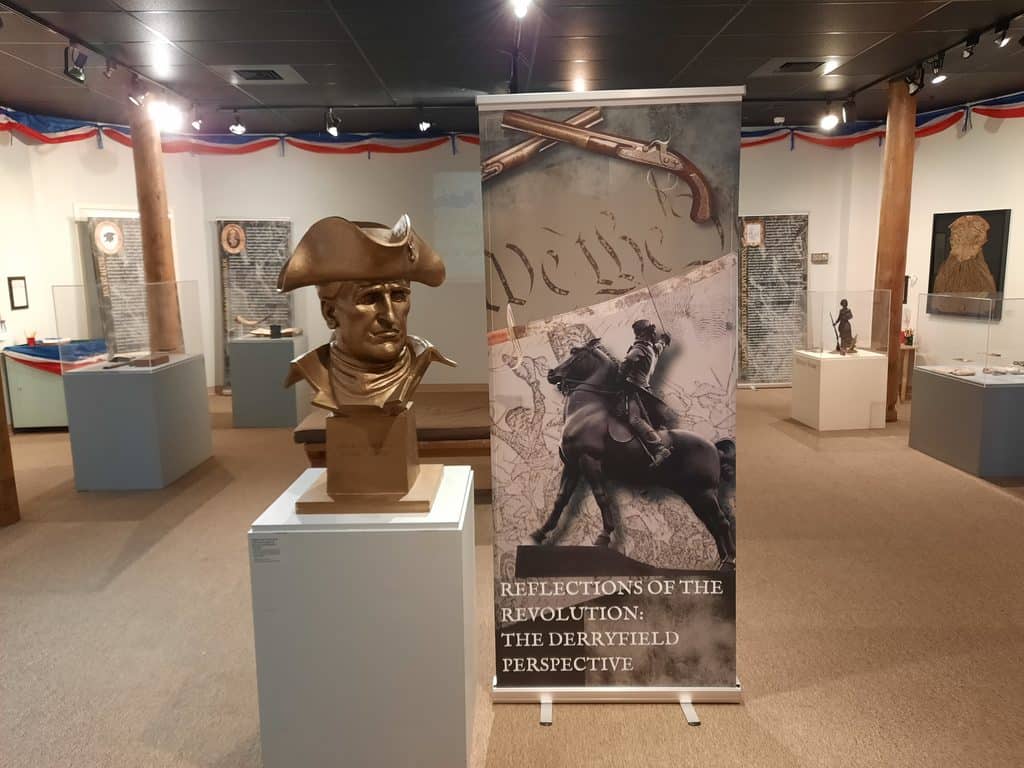
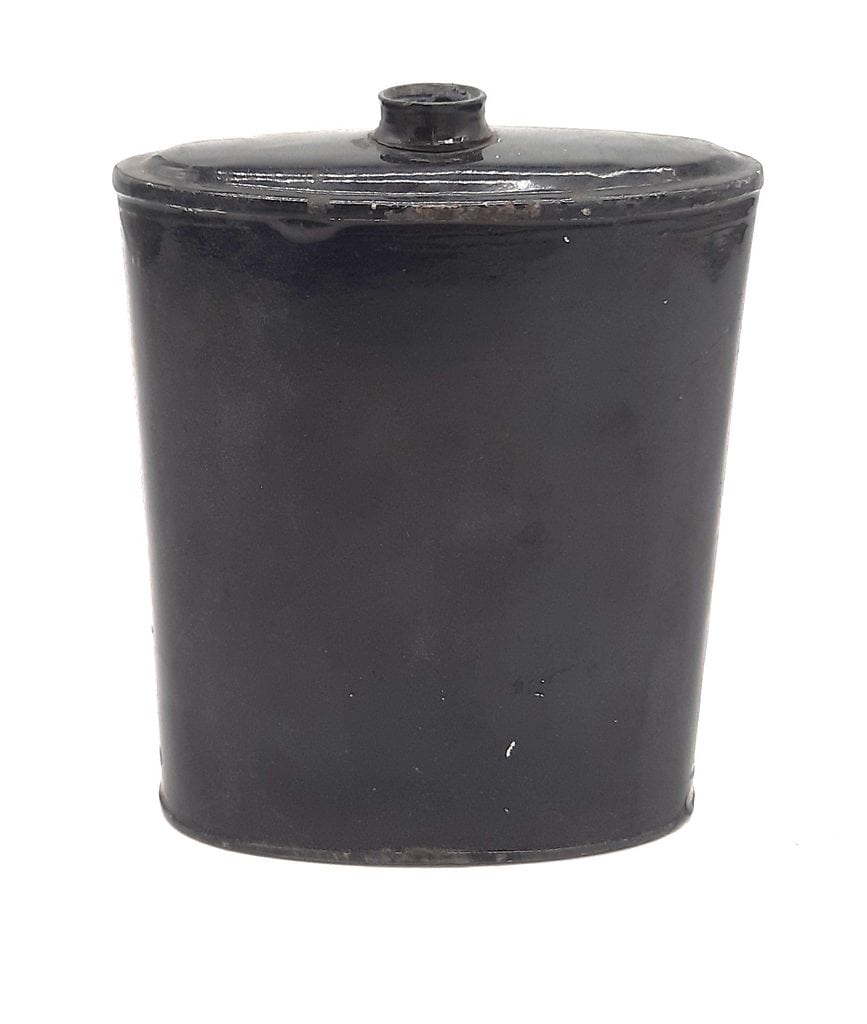
In the spirit of the nation’s 250th birthday, the Millyard Museum is running “Reflections of the Revolution: The Derryfield Perspective” throughout the fall. The exhibit highlights Manchester residents who were seminal figures in the war for independence, including patriot General John Stark and his wife, Molly Stark, “the most influential couple who served their country during the American Revolution,” Samuel Blodgett, Joseph Cilley, and Issac Huse, through artifacts, documents, and art, including a metal flask dropped at the Battle of Bennington by a Hessian soldier.
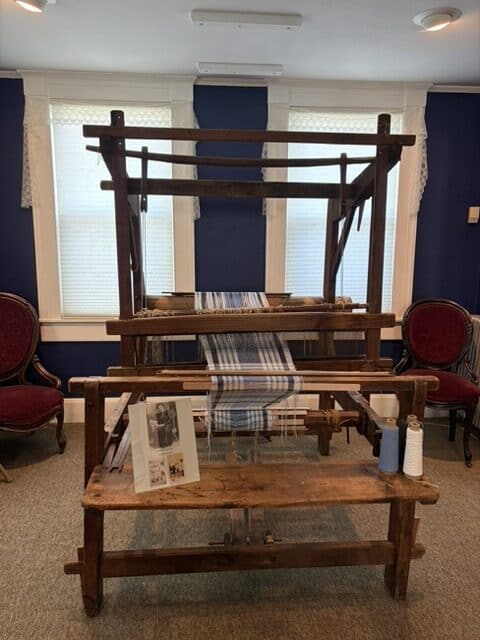
The museum also has a permanent exhibit, “Woven in Time: Threads of History at Amoskeag Falls,” featuring artifacts and art that highlight the importance of this spot on the Merrimack River over time. Visitors can see the stone tools of the area’s first human inhabitants, who fished and gathered at the falls, and trace the development of 19th-century textile mills powered by the rushing river, which drew workers from all over the world and helped make Manchester the state’s largest city.
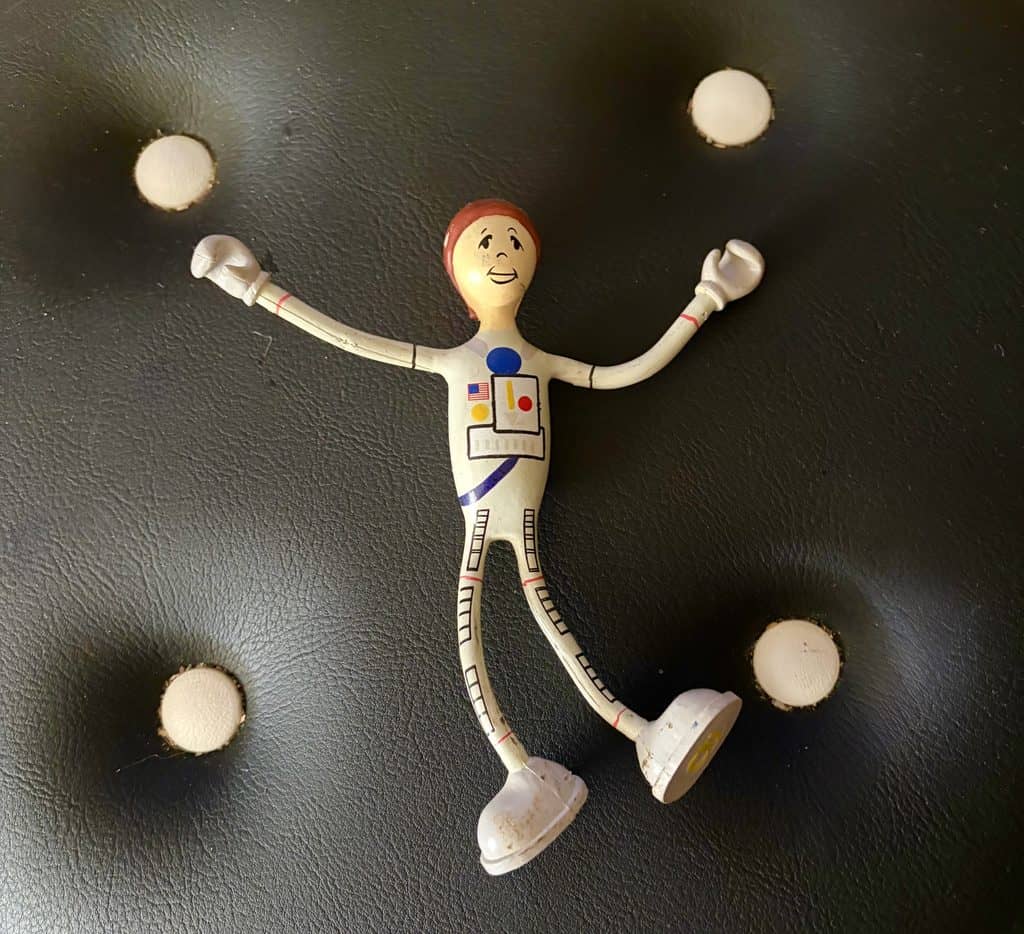
There are displays from businesses and inventions that grew out of the mill yard, including Velcro, which opened its first American manufacturing operation nearly 70 years ago; Habitant Pea Soup, which, at its peak popularity, turned out 80,000 cans of the popular French-Canadian potage each day from the mill yard plant where it stayed in business for 45 years; and Bendos, those wiry plastic figurines (a kind of modern-day Gumby) which were all the rage in the oughts and were first manufactured here.
2. New Hampshire Historical Society
Location: 30 Park St., Concord
Hours: Tuesday through Saturday, 9:30 a.m. to 5 p.m.
Museum Admission: General: $10; members, active military and families, full-time students, and children 18 and under are free.
At 203 years old, the New Hampshire Historical Society is the oldest and largest historical society in the state. Its collection is vast, with objects, artifacts, and art spanning the state’s history from prehistoric times to the present.
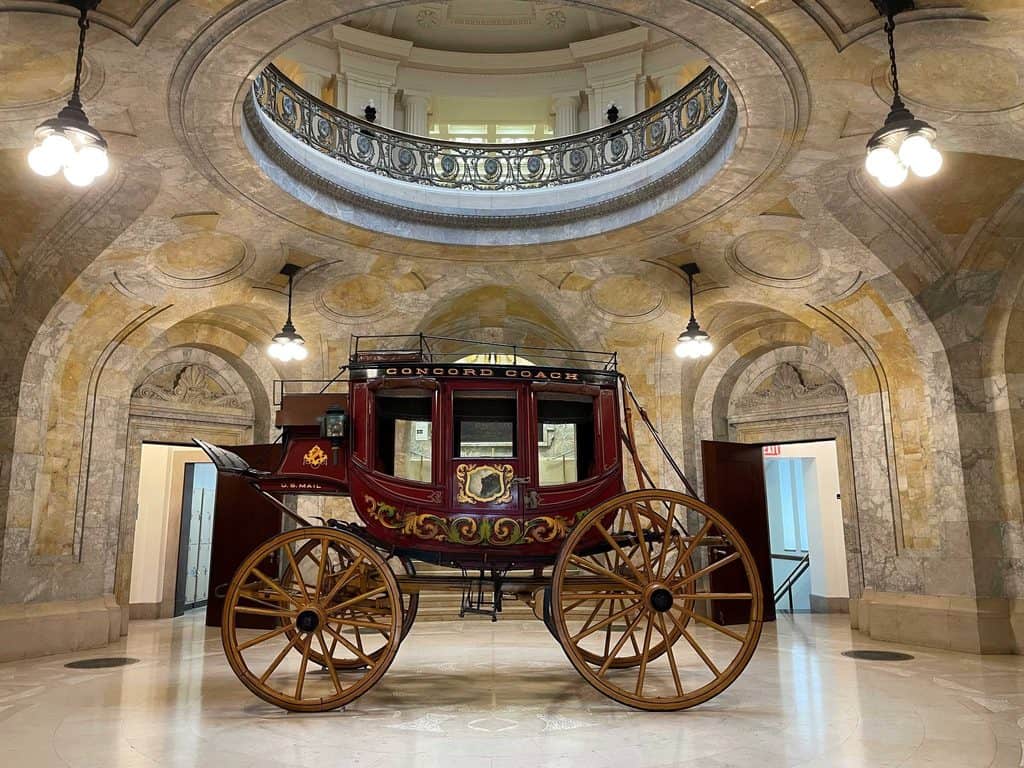
Among the many fascinating objects in the collection are an original 19th-century Concord stagecoach, which is currently on display, Revolutionary War flags, and the so-called Lake Winnipesaukee Mystery Stone, a polished, egg-shaped black stone with what appears to be a human face etched on the front, arrows and corn in the back, and a hole drilled through the middle.
According to the New Hampshire Historical Society, workers found the object in a mud nest while digging a fence in Meredith Village in 1872. The society notes that it has no documentation of its discovery, but Frances Ladd Coe, the daughter of the man who supposedly cleaned and polished the stone when it first emerged from the mud, donated it in 1927.
Current exhibits include “A Legacy of Landscapes: Selections from the Linda and P. Andrews McLane,” a collection of White Mountain paintings, “Witness to War: Treasures from the American Revolution,” and “Discovering New Hampshire,” the history of the state’s “people, places and events,” including an Abenaki canoe as well as an early snowmobile.
3. Nashua Historical Society
Location: 5 Abbott St., Nashua
Hours: Tuesday, Wednesday, and Saturday, 9 a.m. to 4 p.m. or by appointment.
Admission: Free
For 156 years, the Nashua Historical Society has been a repository for the Gate City’s historic artifacts and objects. It also hosts regular history talks, research events, and tours.
It’s home to two museums. The fully restored Federal-style Abbot-Spalding House was built in 1803 and was home to industrialist Daniel “Father of Nashua” Abbot. The elegant, white home has 18th- and 19th-century furnishings, original woodwork, and Abbot family treasures. The home is open to tours by appointment.
The society’s Florence H. Spear Memorial Museum houses much of its collection of Nashua photographs, artifacts, furnishings, and art. The museum has an impressive collection of historic textiles, including many vintage wedding gowns and militaria. It also has a Civil War drum once used by Nashua resident Willard A. Cummings, who ran away and joined the Union Army as a drummer boy at about age 11 but was sent home when an officer found out he was underage.
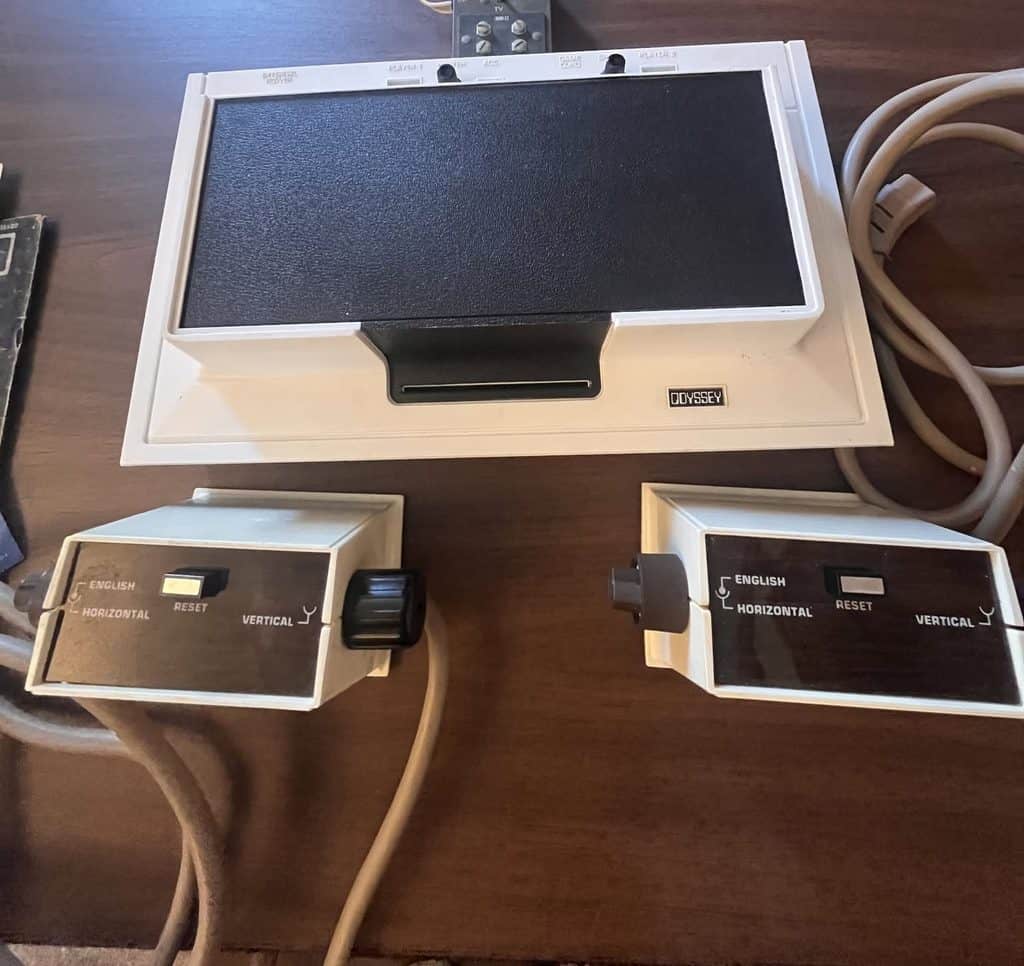
An object from more recent history is a console created by Ralph H. Baer, the “father of video games,” who invented the Brown Box (later called the Magnavox Odyssey), the first widely released home video game system, while working at Sanders Associates in Nashua in 1972.
An exhibit currently highlights the history of the Humane Society for Greater Nashua and its pet cemetery.