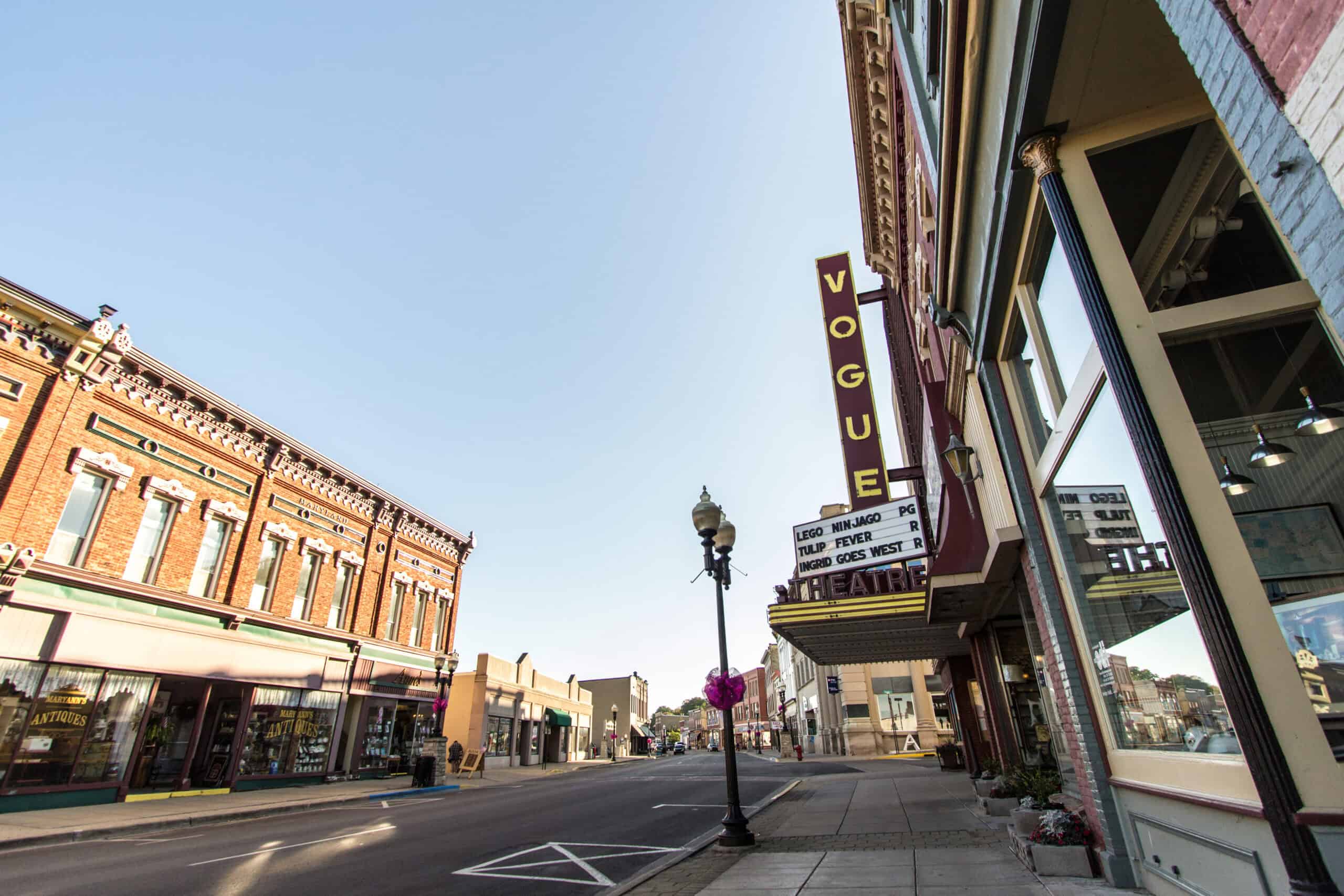
Step back in time to an era of innovation in Manistee, where lumber and salt once ruled and millionaires were a dime a dozen.
When most of us think about millionaire-packed neighborhoods, we imagine rows of luxurious mansions in Beverly Hills or towering penthouse apartments in Manhattan. Of course, Michigan also has its fair share of wealthy areas, but did you know that one Great Lakes State community was previously considered a hotspot for the ultra-rich?
Lucrative lumber along the shore
With a population of just over 6,000 residents, Manistee isn’t Michigan’s largest city.
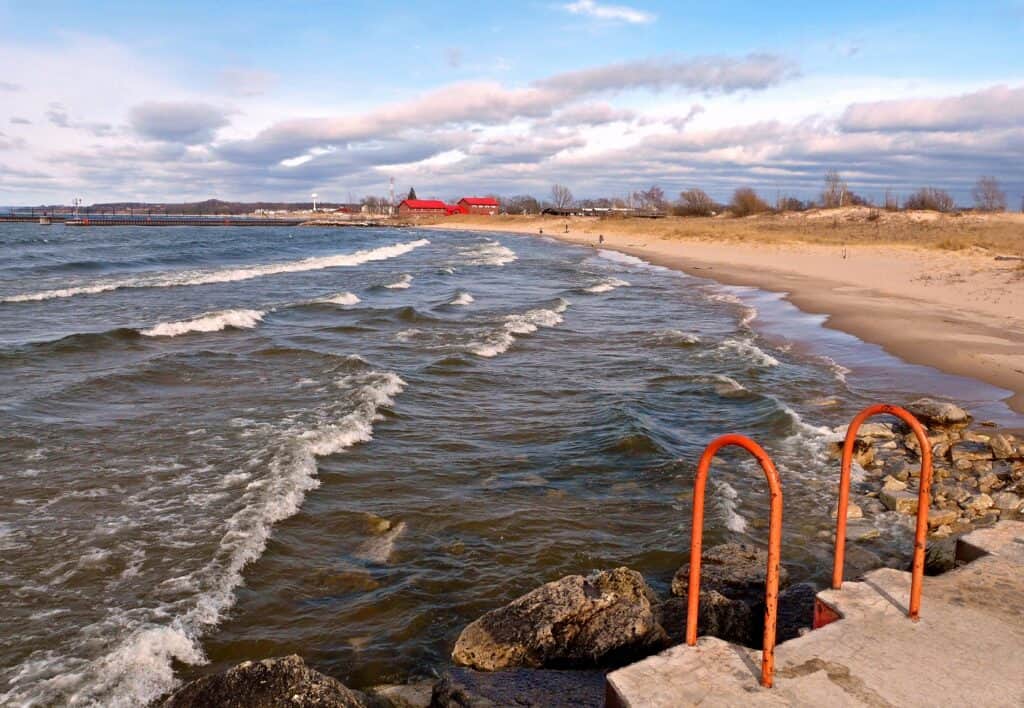
It’s more of a charming weekend getaway than a major tourist destination, and its top attractions are centered around the simple pleasures of Northern Michigan life: a peaceful riverwalk, a timeless lighthouse along Lake Michigan, and a handful of beautiful beaches.
There’s a lot to love about the city, but it certainly can’t be described as “flashy.” Turn the clock back to the 19th century, though, and you’d find a slightly different vibe in Manistee.
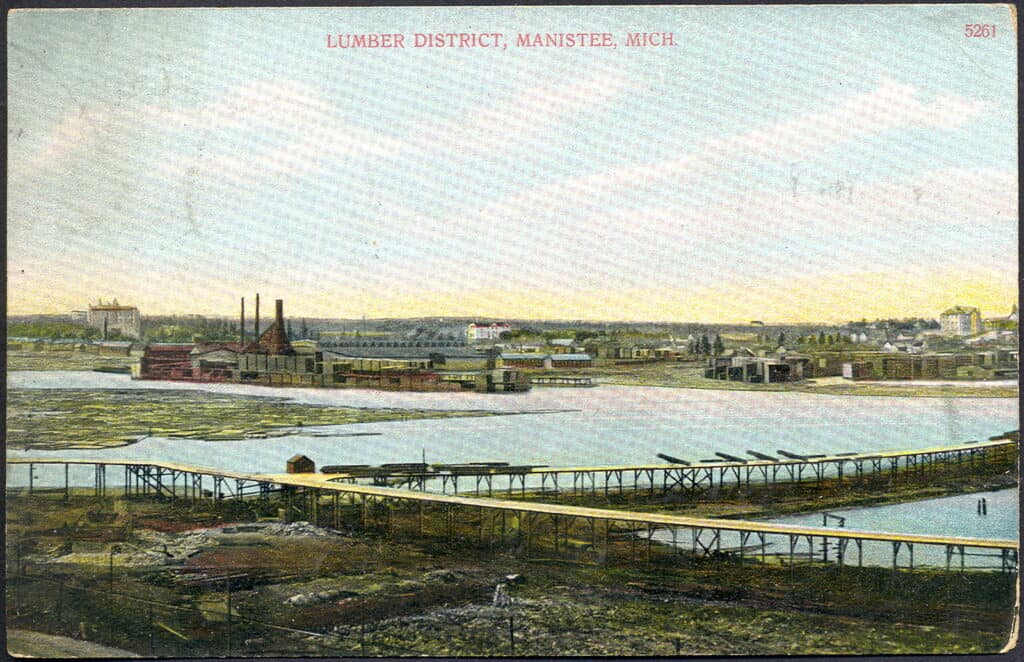
Michigan has a rich history of logging and manufacturing, and Manistee was a cornerstone of the industry during its heyday. In the late 1800s, when the so-called “lumber boom” was in full swing throughout Michigan, Manistee made a name for itself as a hotspot for shingle production. Mills thrived up and down the banks of the Manistee River, producing wood shingles for rooftops to be exported throughout the United States.
It wasn’t just lumber bringing industrial success to Manistee. Salt was another popular export, with multiple factories emerging in and around town. If you’re familiar with Morton Salt, you might be surprised to learn that the company still operates a facility in Manistee.
Michigan’s own “Millionaire Row”
For founders and factory owners in this era, manufacturing success meant one thing: profit.
Lumber barons—industrial leaders of the lumber industry—made names for themselves across the state of Michigan as the end of the 19th century approached, and Manistee was home to its fair share of these wealthy men.
In fact, according to the City of Manistee, 19th-century developers promoted the claim that Manistee had more millionaires per capita than anywhere else in the U.S. during the lumber boom. While there’s no verified data to support this claim, its spirit is based in truth: notable businessmen like Edward Buckley, James Dempsey, and T.J. Ramsdell called Manistee home and constructed gorgeous estates throughout the city.
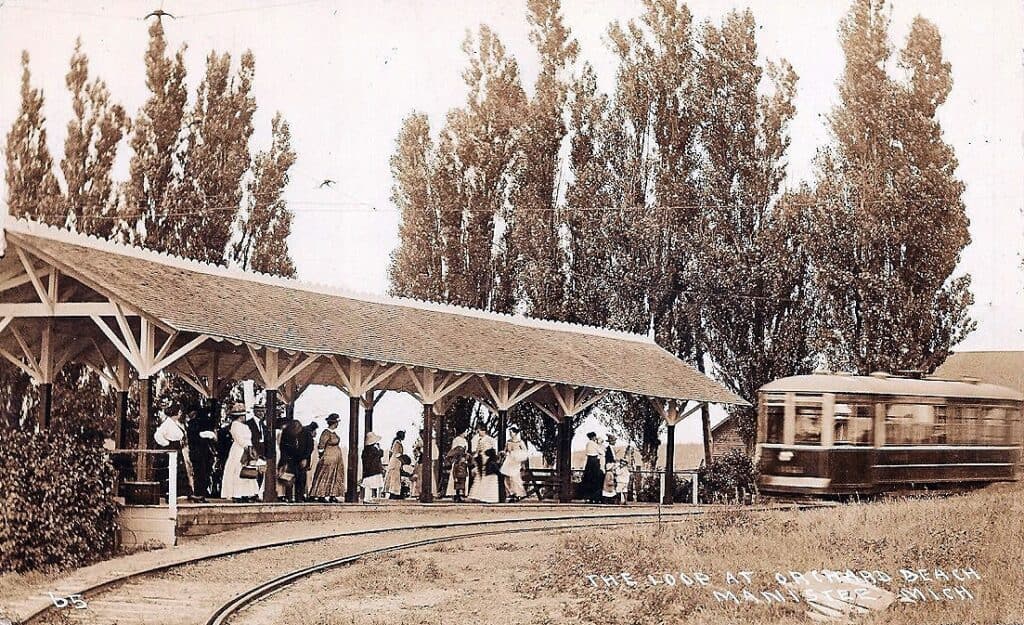
For Ramsdell, wealth wasn’t tied to lumber—instead, his entrepreneurial spirit led to the creation of local businesses and projects, including a hardware store, bank, and even an early bridge in downtown Manistee.
Charles Ruggles, sometimes called the “Millionaire Miser of Manistee,” was also prominent among the wealthy folks of Northern Michigan at the turn of the 20th century. Ruggles dipped his toe into everything from the salt industry to local philanthropy, raking in massive earnings from his various endeavors—including, of course, lumber.
Artifacts of an abundant era
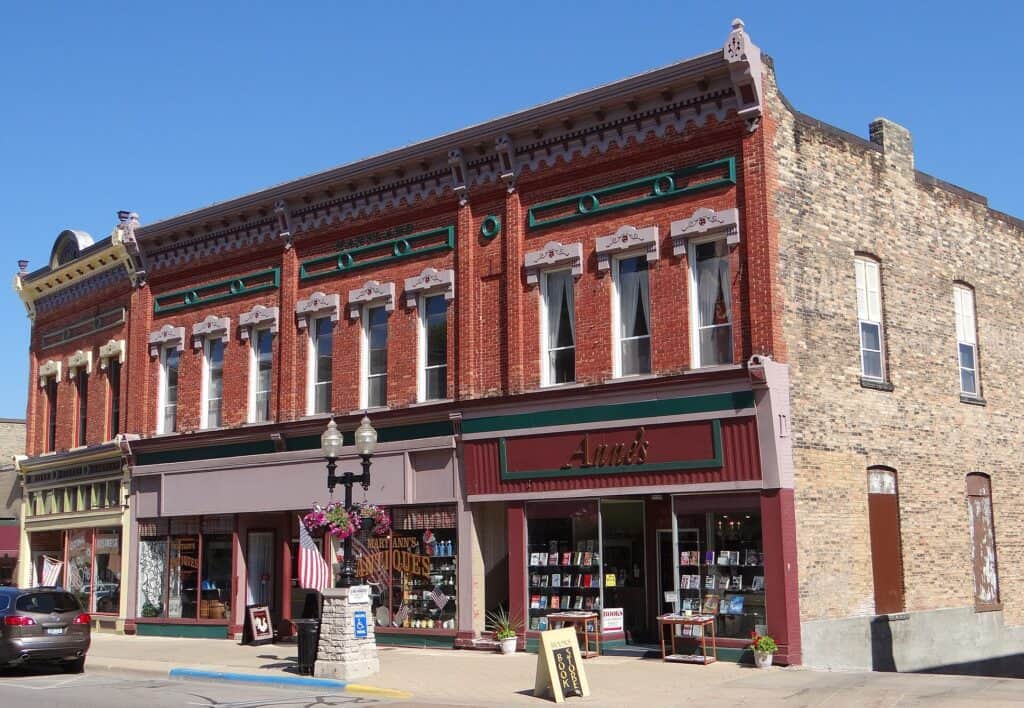
While the lumber boom eventually wound down as pine forests were depleted and industrial economies throughout Michigan faced significant challenges, the remnants of Manistee’s most opulent era are still visible today. Modern-day tourists can stroll alongside estates like the Buckley Home, the Vincent Home, and the Babcock House, which offer the chance to step back in time and experience the grand Victorian lifestyles of Manistee’s early millionaires.
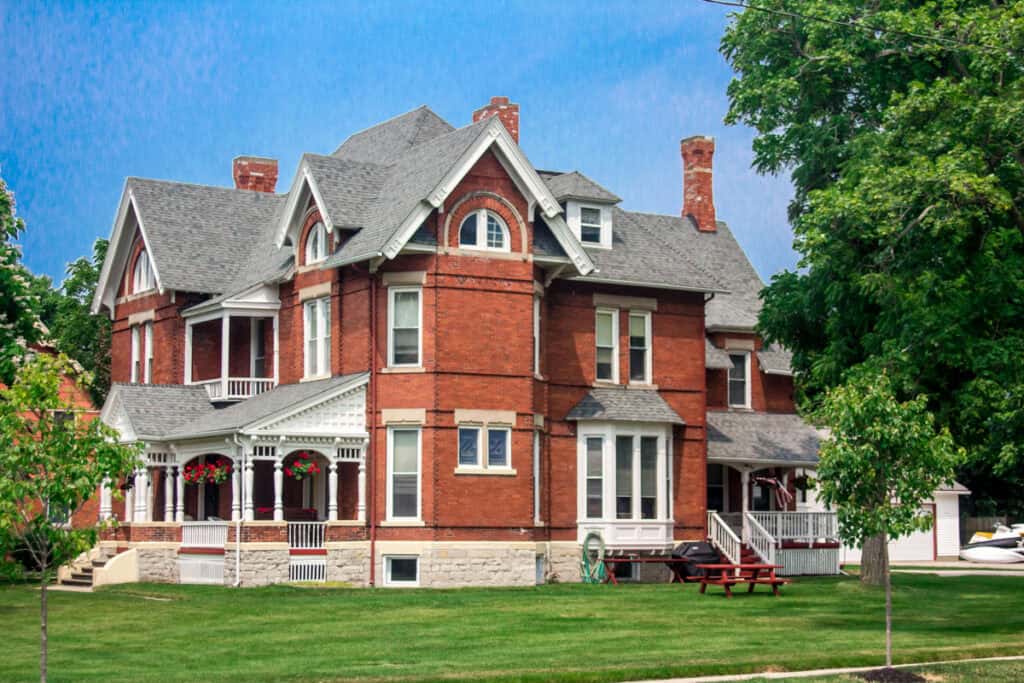
CC BY-SA 4.0)
While the home of James Dempsey no longer operates as a museum (visitors might recall its time as the Victorian House Museum), members of the public can enjoy tours and special events at the manor throughout the year.
Manistee might no longer be synonymous with millionaires, but its rich history and seemingly boundless natural attractions make it a must-visit destination in the Great Lakes State.