From minimum size requirements to cost considerations, discover all you need to know about tiny home living in Iowa.
Home prices keep climbing, and for a lot of Americans, the dream of owning a home is getting harder to afford. So it’s no wonder tiny homes are getting a lot of attention. Smaller square footage means lower housing costs, less upkeep, and the ability to own your own place without a 30-year mortgage hanging over your head.
But in Iowa, going tiny isn’t as simple as buying a compact cabin on wheels and parking it wherever you like. There are rules and regulations that can impact your plans, and they change from one city or county to the next, and from one type of tiny home to another.
We wrote this article to help you make sense of tiny home ownership in Iowa. Keep reading to discover everything you need to know about living in a tiny house in the Hawkeye State.
Are tiny houses legal in Iowa?
If you’ve already started researching tiny home living in Iowa, you’ve probably noticed that the answer around legality seems to be “it depends.” That’s because it does. Iowa doesn’t ban tiny homes outright, but there isn’t a single statewide rulebook that tells you where you can build or park one. Instead, the rules come from local building codes and zoning ordinances, so what’s allowed in one town may be prohibited in another.
Cities and counties set their own standards for things like minimum home sizes, lot dimensions, setbacks, and utility connections. The type of tiny house you’re considering also matters. A tiny house on a permanent foundation is generally treated like any other home, while one on wheels may be classified as a recreational vehicle (RV), which can change what’s allowed.
Where can you actually live in a tiny house in Iowa?
You have a few different options when it comes to living in a tiny house in Iowa, including private property, RV parks, and communities designed for smaller homes.
Private properties
If you own land in Iowa, you can likely build your tiny home there (or bring in a pre-built one). However, many cities and counties set minimum square footage requirements for houses. Here are a few examples:
- Harrison County: 400 square feet
- Clinton County: 640 square feet
- Iowa Falls: 500 square feet
- Cedar Rapids: 500 square feet
In some areas, it’s basically impossible to own a truly tiny home. For example, in 2019, Des Moines passed new zoning requirements that say single-family homes must be at least 1,100 square feet, which isn’t exactly tiny.
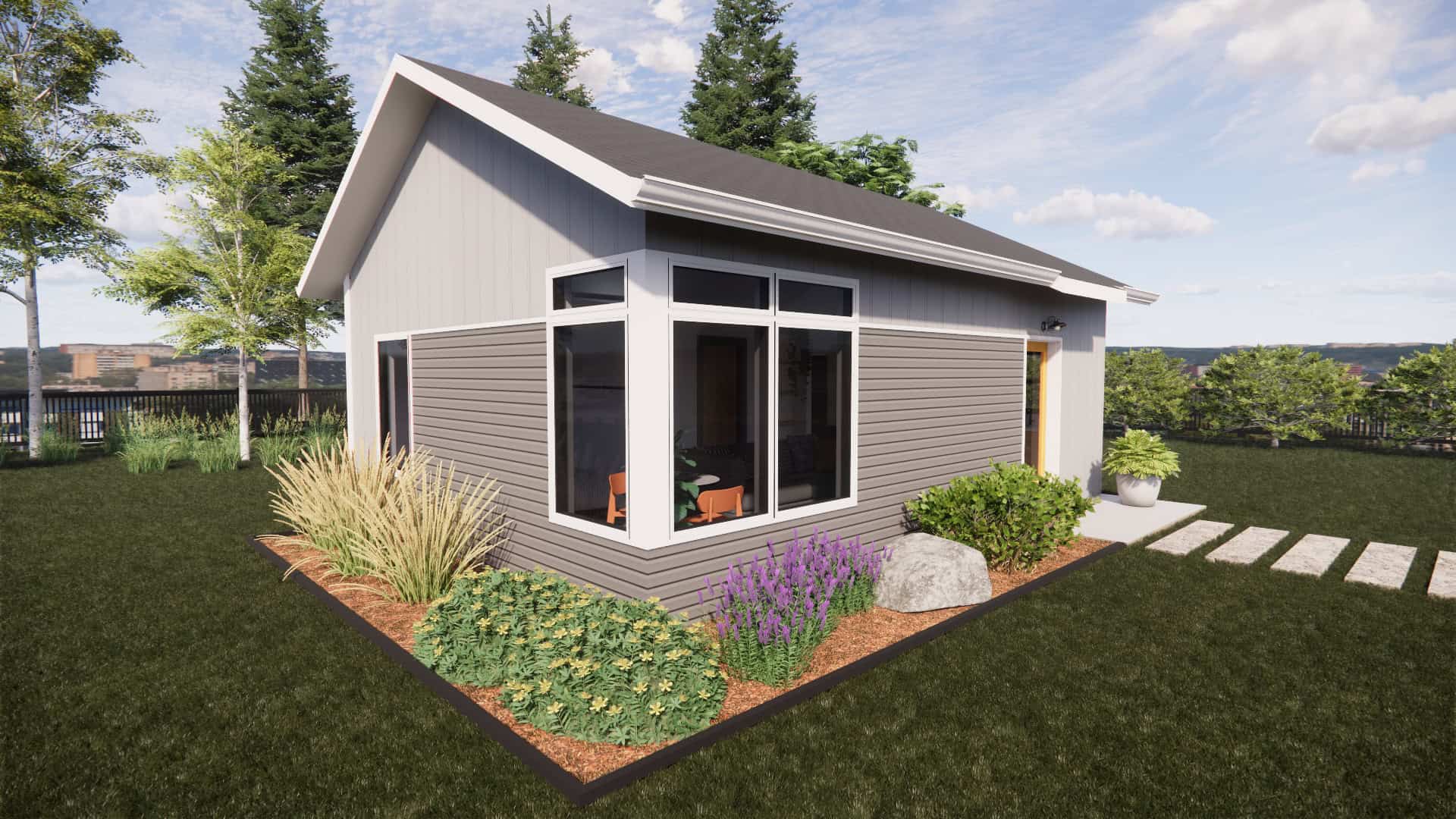
If you already own a home in an area that allows tiny homes, or you know someone who does, another option is to put one in the backyard as an accessory dwelling unit (ADU), which is a separate living space on the same lot as an existing single-family home.
Under Iowa Code Section 364.3, cities must generally allow at least one ADU on lots with a single-family home. You can’t just roll a tiny house into someone’s yard and move in, though. It has to meet building regulations, and deed restrictions or HOA rules may limit what’s allowed.
Call the local planning or zoning office with your tiny house’s dimensions and design, and ask whether it can legally be a primary residence on the parcel you’re considering or whether it would qualify as an ADU.
RV parks or campgrounds
If your tiny house is on wheels, parking it in an RV park or campground provides a solution that doesn’t force you to buy land.
Some parks welcome tiny houses on wheels or park model RVs, but it depends on the park’s rules and how your home is classified. Renting a site with electric, water, and sewer hookups can also save you the upfront cost of developing your own property.
However, this route might not be the best long-term solution. Some campgrounds are seasonal, some cap how many days in a row you can stay, and even parks that stay open all year may restrict long-term residency.
Ask a few questions before you show up ready to move in, like does the park accept your type of tiny house, allow the length of stay you need, and keep utilities running in winter? If you’re trying to decide between multiple spots, compare monthly site fees and any extra charges for electricity or other services.
Tiny-home communities
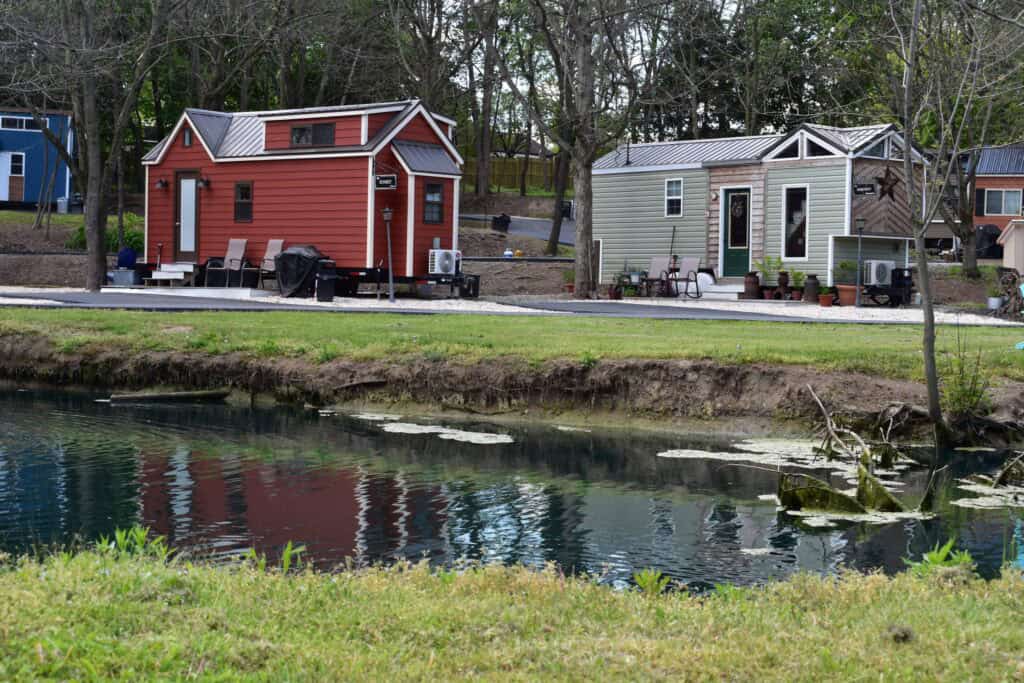
You can also look for a development designed for tiny or compact homes. These communities often have designated lots, utility connections, and shared amenities, so you don’t have to develop a whole property yourself. Depending on the community, you might be able to buy the home and the land, own the home and pay monthly lot rent, or rent a tiny house that’s already there.
Dedicated tiny-home communities aren’t common in Iowa, but some cities have zoning rules that make room for them:
- Sergeant Bluff: The city’s zoning code allows tiny-house developments in its manufactured home residential district. Here, tiny houses can’t exceed 400 square feet.
- Postville: Zoning here allows for manufactured, mobile, and compact home communities.
Zoning rules don’t guarantee there are open lots or operating communities in either city, so you’ll need to contact local officials or community operators to see what’s actually available.
How much does a tiny house cost in Iowa?
The price tag on your tiny house itself can vary a lot depending on size, whether you build it yourself or purchase one that’s custom-built by a professional, and how fancy you go with the finishes. To give you a general idea of what a pre-built tiny home might cost you, Tiny Homes of Iowa lists its 475-square-foot studio floor plan for $160,000.
Even after you’ve paid for the structure, there are a handful of other expenses that can add up fast. ExtraSpace suggests budgeting for the following:
- Foundation or trailer: Every tiny home needs something to sit on. If yours is staying put, that might mean a concrete slab, piers, or a gravel pad, plus some grading to level the ground. If it’s on wheels, you’ll need a sturdy trailer.
- Utility hookups: Getting power, water, and sewer to your tiny house isn’t free. If you’re tying into city services, you’ll pay for the connections. If you’re out in the country, you may need a well, a septic system, or an off-grid solar setup instead.
- Permits and inspections: Before you can legally move in, you’ll likely pay for permits, zoning fees, and inspections that confirm your home meets local safety and residency standards.
- Upkeep and insurance: Plan for costs like insurance, routine repairs, and servicing the specialty appliances that tiny homes often rely on.
How Iowa’s climate and geography affect tiny-house living
Iowa’s weather is tough on any house, and with a tiny house, you’ve got less room for error. From freezing winters to humid summers—and maybe even a tornado or two—your home has to be built for all of it.
Preparing for Iowa winters
Iowa winters bring lots of snow, strong winds, and temperatures that drop below freezing. A tiny house takes less energy to heat than a big one, but a poorly insulated tiny house can lose heat quickly, especially one on wheels with an exposed underside.
Solid insulation, airtight construction, and energy-efficient windows can help keep your space comfortable. The type of heating system you choose is also important. Home heating and cooling solutions company Lennox recommends a mini-split system, particularly if your tiny home is stationary.
A few other winter issues to plan for include:
- Frozen plumbing: Water lines, tanks, and pipes under a tiny house freeze easily. Insulating and protecting them now is cheaper than fixing a burst pipe later.
- Snow: Your roof needs to be built for local snow loads, and you’ll need a way to keep snow from piling up around doors, vents, and utility hookups.
- Road access: If you live in the country, find out who plows your driveway and whether the nearby roads get cleared regularly.
Severe weather and tornado safety
Iowa gets severe thunderstorms, damaging winds, hail, and tornadoes, so storm prep should factor into both the house you choose and where you put it.
Tiny houses on wheels can be vulnerable to high winds if they aren’t tied down properly. Even homes on permanent foundations need to be anchored and designed to meet local wind-resistance requirements.
Since tiny houses rarely have basements, you need to think about where you’ll go during a tornado warning, such as a sturdy nearby building or a designated shelter.
You should also think about insurance. Make sure your policy covers wind and hail, and remember that coverage can differ depending on whether your home counts as a permanent residence or an RV.
Humidity, moisture, and ventilation
Iowa’s humid summers can also create trouble for tiny home owners. In a space that small, moisture from showers, cooking, and laundry can build up quickly. Without good ventilation, you’ll end up with condensation, musty smells, and mold, especially around windows and poorly insulated walls.
Here are a few things that can help:
- Ventilation: Vent bathroom fans and kitchen range hoods outdoors to remove moisture at the source. A balanced ventilation system can provide fresh air in a tightly sealed home, though humid summer weather may still require air conditioning or dehumidification.
- Air conditioning: A properly sized mini-split can cool the space and remove moisture while operating in cooling mode.
- Moisture-resistant construction: Good insulation, air sealing, climate-appropriate vapor control, and properly flashed windows and doors help reduce condensation and water intrusion.
- Daily habits: Run exhaust fans when you cook or shower and use a dehumidifier if the air stays damp.
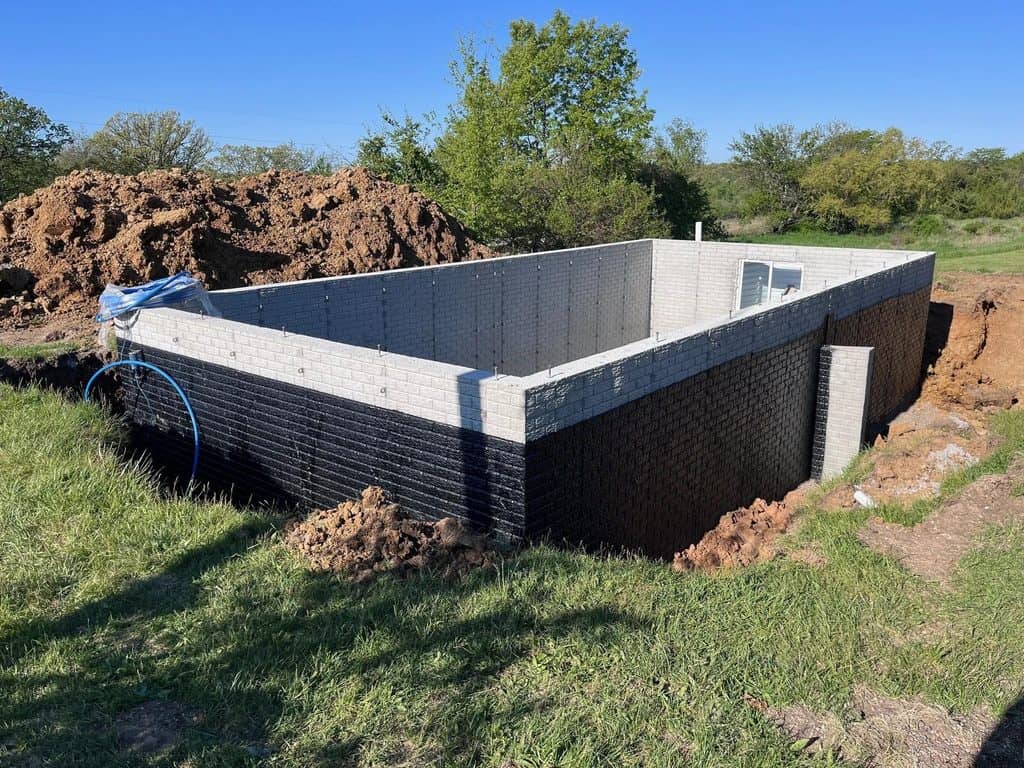
How to get started with a tiny house in Iowa
Here’s a checklist to work through before moving into your tiny home:
- Choose your type of tiny house. Decide whether you want a permanent home on a foundation or one on wheels, since that can affect where you can legally live.
- Research local zoning rules. Check minimum square footage requirements, building codes, and other restrictions in the area where you want to live.
- Find a place to put your home. Explore buying private land, renting a spot in an RV park, or moving into a tiny-home community.
- Confirm your plans are allowed. Before buying land or a tiny house, contact local officials to make sure your specific home can legally be placed and occupied on the property.
- Calculate the full cost. Budget for the home itself, a foundation or trailer, utility hookups, permits, insurance, and ongoing maintenance.
- Plan for Iowa’s weather. Make sure your home has adequate insulation, reliable heating and cooling, protected plumbing, and proper anchoring.
- Arrange utilities and obtain permits. Confirm access to electricity, water, and sewer or septic services, and complete any required permits and inspections before moving in.