Tiny houses can be affordable, great for minimalist lifestyles, and better for the environment. Here’s how to access tiny house living in Pennsylvania.
Tiny homes are oh-so-appealing for many who want to own their own homes on the cheap and embrace a simpler lifestyle while they’re at it. These small houses—typically 400 square feet or less—require fewer building materials, much less upkeep, and reduced heating and cooling costs. That’s better for one’s wallet as well as the planet. Plus, by virtue of their size, tiny houses make people and their families truly downsize, keeping only what they actually need.
But building a tiny house isn’t necessarily easy. There’s no single statewide law that specifically governs tiny homes—and no single definition of what constitutes a tiny house. Pennsylvania does have a statewide building code, but it doesn’t provide leeway for tiny houses, and zoning laws and other land-use rules vary widely across municipalities. Whether a tiny house is actually legal in a specific place can also depend on the specific structure and its lot.
Have you dreamed about having a tiny house in Pennsylvania? Here’s what you need to know to help make it happen, whether you hope to build a tiny house on your own land or move into an existing tiny house community.
Where can you have a tiny house in Pennsylvania?
There is no simple statewide list of where tiny houses are allowed in Pennsylvania. The commonwealth does have a statewide building code, but zoning—which governs what type of house can go where—is largely handled at the local level.
That means whether you can build and live in a tiny home depends a great deal on your municipality as well as the lot and structure you have in mind.
Minimum square footage requirements can sometimes pose a problem. For example, Schuylkill County’s zoning ordinance requires new dwellings to have at least 500 square feet of enclosed, habitable space. But that rule doesn’t necessarily apply throughout the county, as county rules only apply when municipalities don’t have their own zoning codes, which supersede county ordinances.
Other local requirements can also matter, like minimum lot size or rules that apply to accessory dwelling units or recreational vehicles.
Pennsylvania legislators are considering a proposal that would make it easier to build accessory dwelling units—the bill passed the House in June and is currently before the Senate. The legislation could help bring new tiny homes to the state, though ADUs are built as secondary dwellings on properties with primary residences, so any new law wouldn’t cover all potential tiny houses.
Because the rules vary so widely from place to place, the best thing to do if you’re interested in building a tiny house is to contact the zoning official for the municipality where you live—or hope to live—to ask about requirements you should know. You’ll want to share your prospective address, whether your house will be on wheels, and whether you plan to live in it full time.
What should you know before buying land for a tiny house?
Just because you might find an affordable parcel of land doesn’t mean it will be cheap to develop it. Before you buy land intending to build on it, you need to find out what utilities are available.
For instance, if the property isn’t connected to the public sewer system, you may need to install a septic system, permits for which are usually handled by local agencies. And if the property isn’t connected to public water, you may need to install a private well. You’ll also want to research what you’ll need to do to bring electricity to the site.
Finally, you’ll need to check if the land needs to be cleared or graded—after all, hilly Pennsylvania can make development more difficult in some places.
What about living in a tiny house community?
Another possible way to experience tiny house living is to join an existing tiny house community, where much of the hard work of deciphering zoning codes and utility setup may have already been figured out.
Tiny Estates
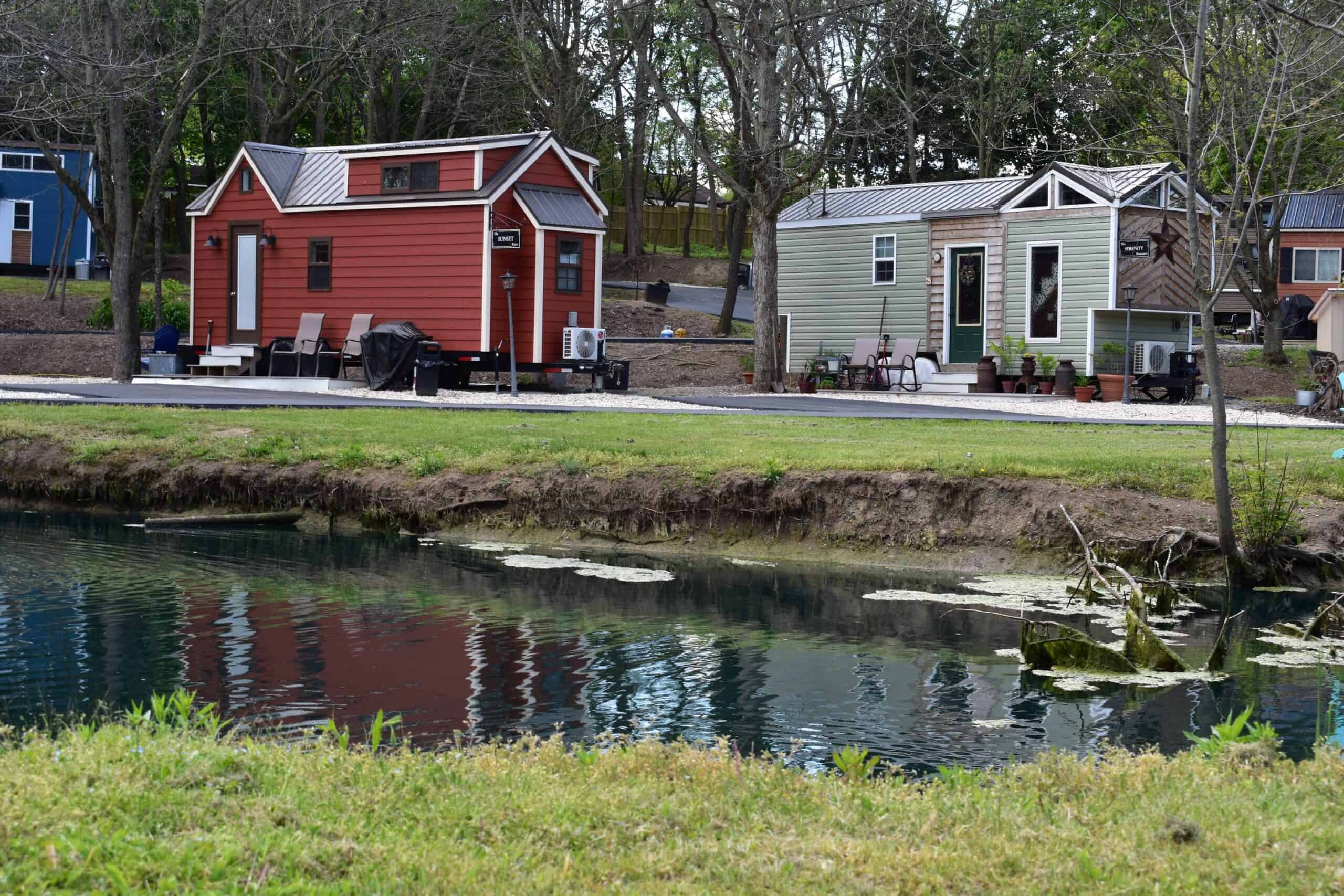
One established tiny house community is Tiny Estates in Eastern Pennsylvania’s Lancaster County, which is home to dozens of lots for tiny houses and provides hookups for water, sewer, and electricity. It’s one of the largest established tiny home communities in the country.
As of October 2026, Tiny Estates has 74 units and two available lots, said Abe Schweky with Tiny Estates. Because demand is high, the community is currently working on an expansion, which Schweky said is expected to be completed in about a year or two.
Meeting zoning and other local requirements can be one of the most difficult parts of tiny house living, but residents of Tiny Estates largely avoid those hurdles. If someone has a tiny house, they’re essentially ready to move in. And if they don’t yet have a tiny house, Tiny Estates has relationships with builders and can help guide future tiny homeowners on the process, Schweky said.
“You’re just moving into a unique and beautiful community full of [people with] similar mindsets and similar lifestyles,” he said, adding that those interested can reach out via email for more information on the community.
Trillium Tiny Home and RV Community
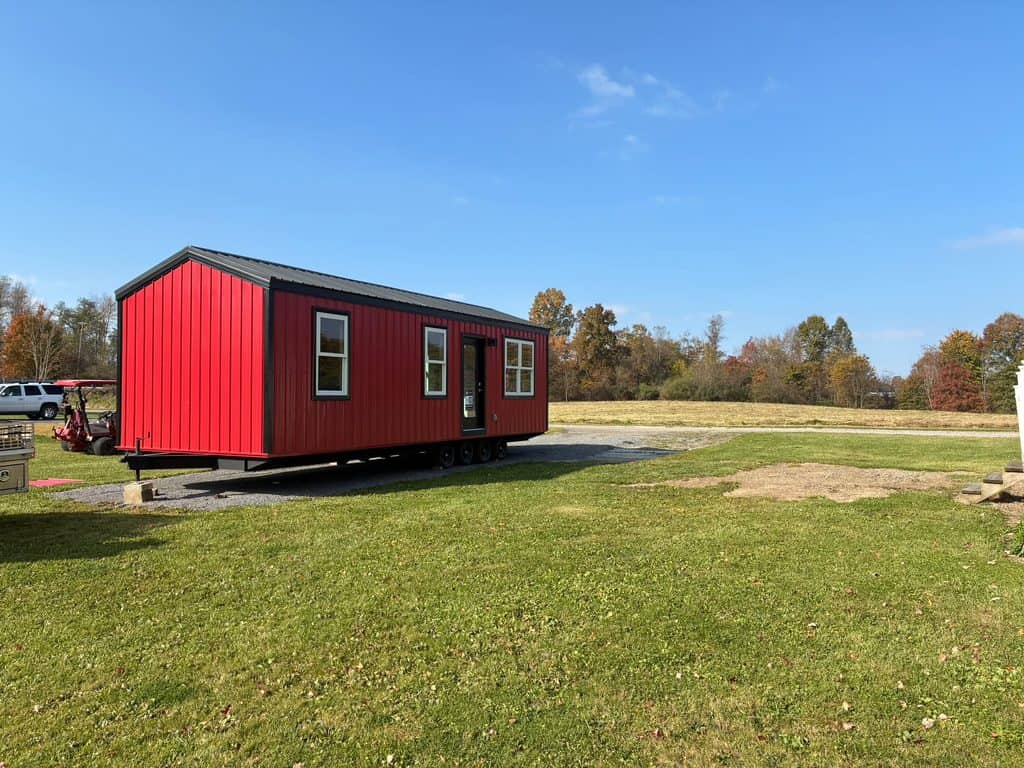
Trillium Tiny Home and RV Community is a new development taking shape in Western Pennsylvania’s Lawrence County. The roughly 12-acre property is currently being developed as a small, 14-site community, with additional sites available for travelers, including traveling nurses and skilled trade workers.
People interested in living at Trillium can bring their own tiny home or rent one owned by the community. Homes must meet standards adopted by the RV Industry Association. Trillium is working with Ohio-based Great Lakes Tiny Homes to build some of its houses—the first was delivered in October. Prospective residents undergo basic background and credit checks, and each site will have raised beds for gardening and flowers.
The journey to develop Trillium hasn’t been easy, said the community’s Scott Fabian in an Instagram message. Zoning and permitting can be particularly challenging, he said, because tiny houses are still relatively new in Pennsylvania and many municipalities don’t currently recognize them as permitted dwelling units. Still, Fabian said that Mahoning Township and state officials have worked with Trillium to help move the project forward. That does mean much of the groundwork is being handled at the community level, keeping future residents from navigating the process on their own.
Fabian said Trillium hopes to provide a “safe, self-sustaining place” for residents and those traveling through the area, adding that anyone interested in the community can reach out to learn more.
Bald Eagle Village
Bald Eagle Village in Central Pennsylvania’s Clinton County is another newer development that may also be a great fit for prospective tiny homeowners. Check with the community to learn about availability and what types of tiny houses are allowed.
How much does it cost to build a tiny house in Pennsylvania?
While building a tiny house may seem like it should be very cheap, costs can certainly add up. According to HomeAdvisor, the average cost to build a tiny house in the U.S. is $45,000, with location, materials, and size greatly affecting the final price.
New models advertised to buyers interested in living at Tiny Estates start at $65,000, with many reaching into the six figures. And the price of the tiny house itself may not include the cost of delivery, permits, site preparation, or installing utility connections and a foundation.
If you’re buying your own property on which to build a tiny house, you’ll also need to factor in the cost of the land and, if necessary, a well, septic system, and driveway.
What is it like to live in a tiny house in Pennsylvania?
Owners of tiny houses regularly tout their lifestyles. “[T]he concept of living a simpler, smaller life was very appealing to me,” Elin Schmidt wrote in Business Insider in 2025, describing her 388-square-foot home in California. “One of the most important lessons I’ve learned over the past few years [of tiny house living] is that less is more,” Schmidt wrote.
But there are a few additional factors to keep in mind for a tiny house in Pennsylvania.
Weather
While Pennsylvania winters vary in intensity by region, it’s pretty common to get snow—and certainly freezing temperatures—at least at some point during the season. Tiny house owners will need to ensure their homes have proper insulation and heating to keep out the bitter cold, and they’ll also need to think about shoveling their driveways so they’re not snowed in.
But Pennsylvania doesn’t just have to deal with the cold! Summers, as we’re sure you know, can get very hot and humid. Living in a small space means that hot showers and cooking can quickly raise the humidity in a tiny house, so ventilation will be extra important.
Plus, Pennsylvania’s four seasons mean more stuff to store. Pennsylvanians with tiny houses will likely have bulky winter coats and snow boots they’ll need during winter, items that Floridians in tiny houses will be less likely to be concerned about.
Flooding
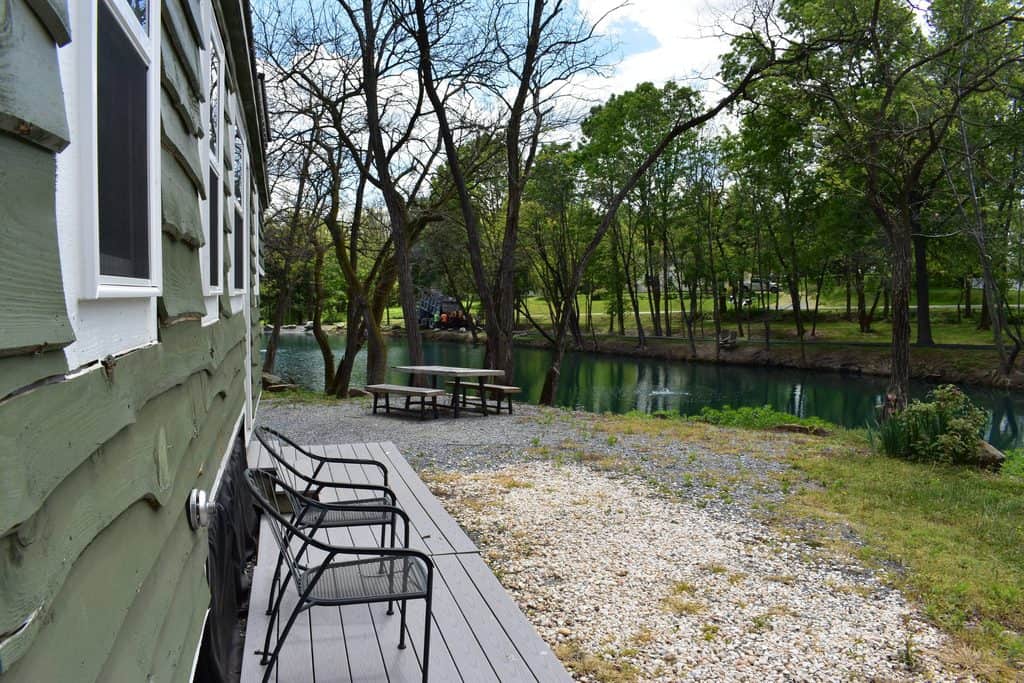
Building a tiny house near a beautiful view of a creek or river may sound appealing, but be sure to consider potential flooding—from rain or snow and ice melt—in river valleys. Fortunately, FEMA has published flood maps to help prospective tiny house owners determine whether a site is in a flood hazard area.
Radon
Pennsylvania has one of the worst radon problems in the country, with an estimated 40% of tested homes having radon levels above the EPA’s “action level.” If you’ll be building any new home, tiny or not, you’ll want to keep radon—and how to mitigate it—on your mind.