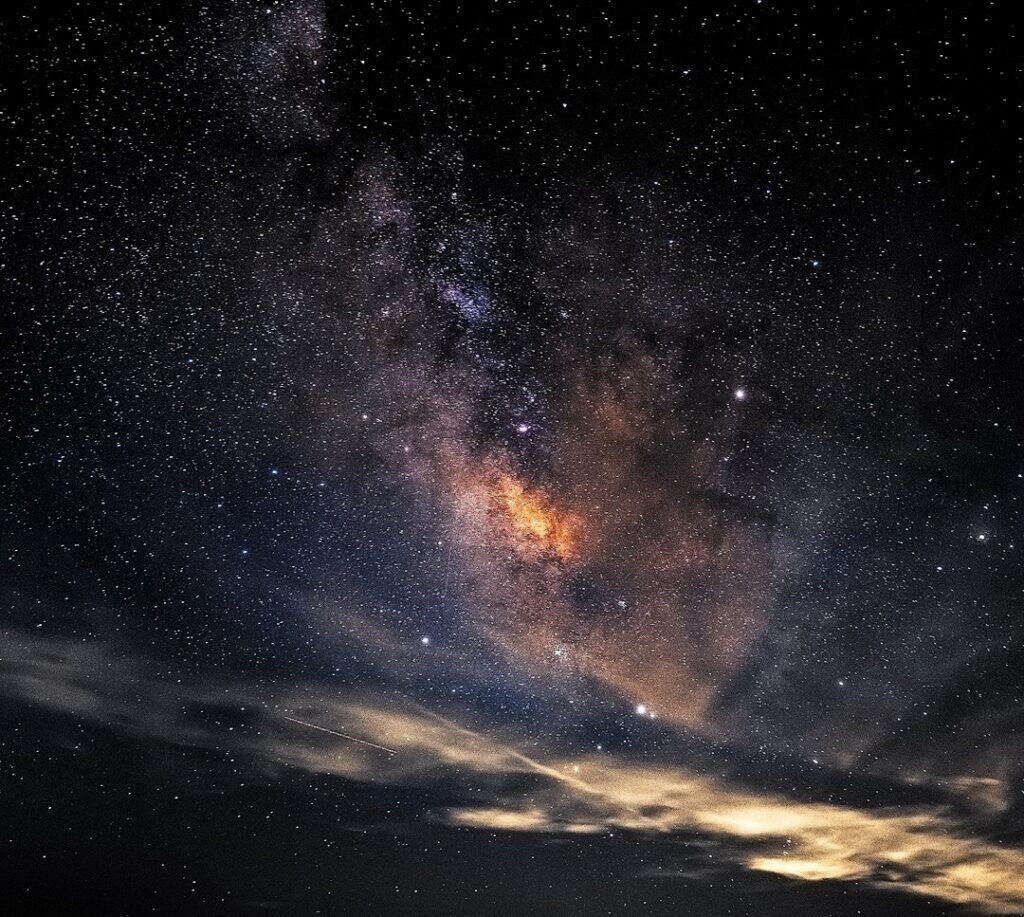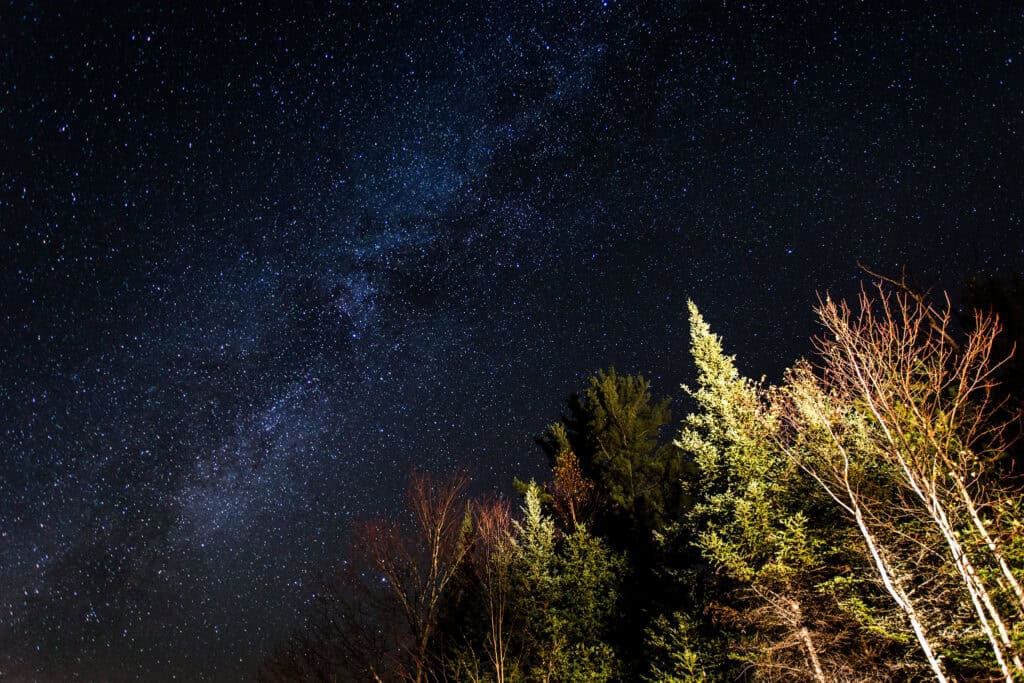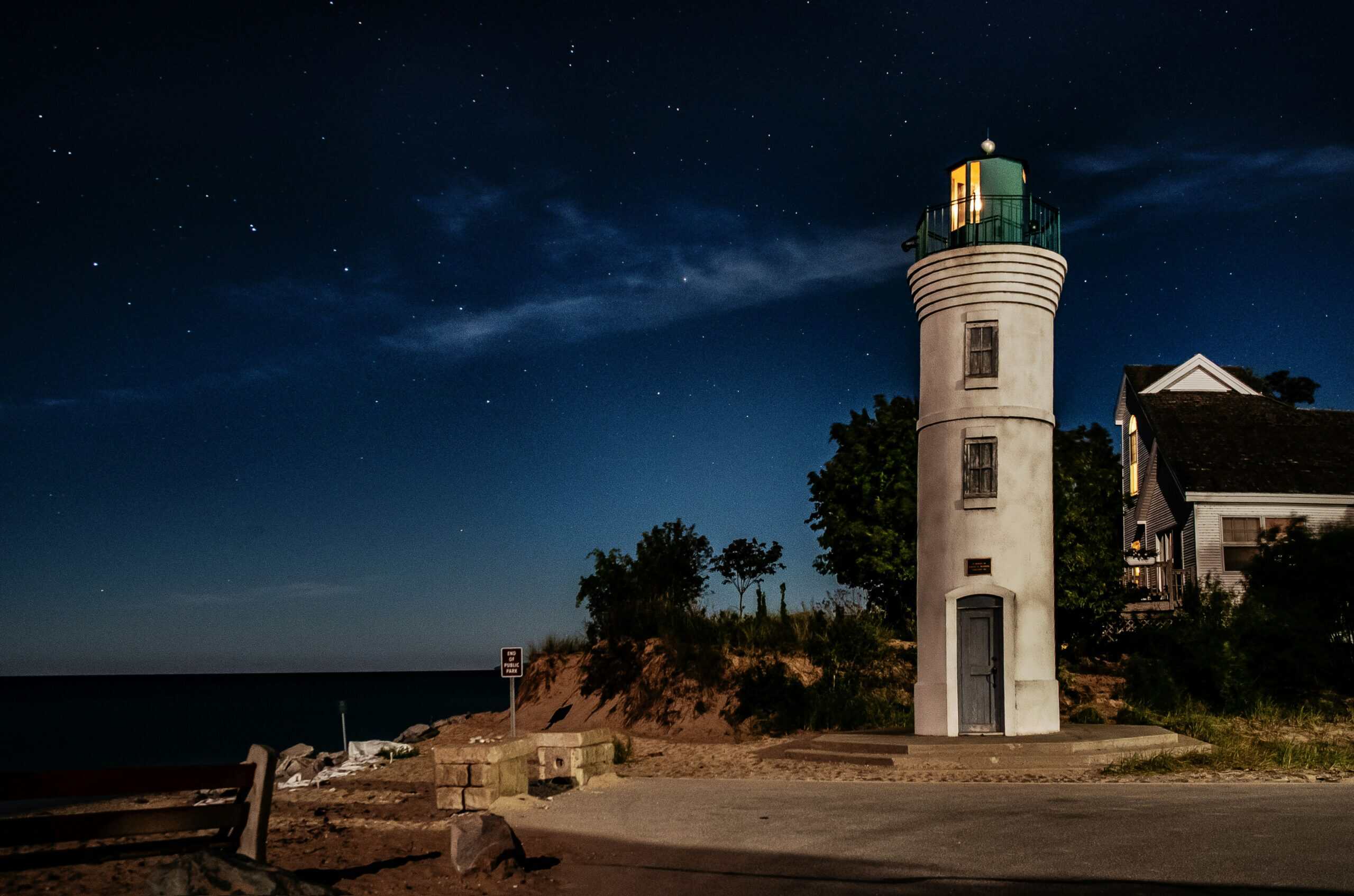
There are plenty of cosmic displays on Mother Nature’s summer itinerary in Michigan—add them to yours, too.
Summer days in Michigan are unparalleled, whether you prefer to spend them sunbathing along the Great Lakes, hanging out in brewery beer gardens, or shopping ‘til you drop in charming small towns. But while there’s lots to love during waking hours, Michigan has its fair share of nighttime attractions, too—and we’re not talking about bars or clubs.
In fact, some of Mitten’s most memorable after-dark experiences occur out in the fresh air under the dazzling night sky. We’re talking, of course, about meteor showers, eclipses, and other celestial happenings, all of which are free to enjoy and endlessly beautiful.
Ready to secure a few otherworldly plans for summer 2026? Here are five celestial events in Michigan that deserve a spot on your calendar.
1. July 29-30: Delta Aquarids Meteor Shower
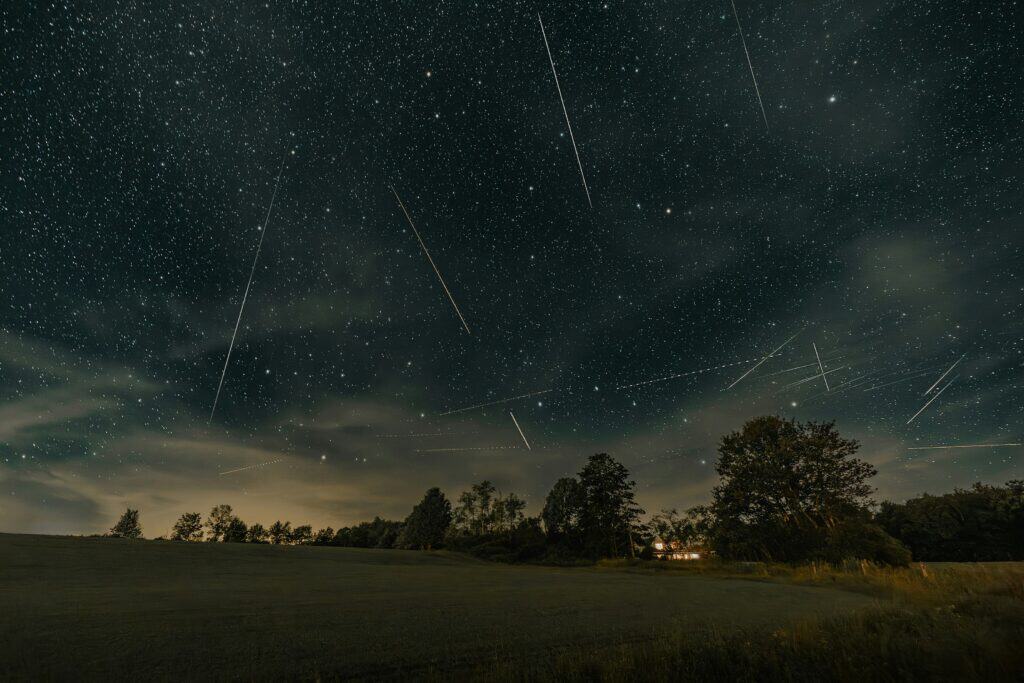
With any luck, the skies will be cloud-free when the sun sets on Jul. 29. As darkness sets in, step outside and gaze south toward the Aquarius constellation (you might want to study up on your astronomy before summer rolls around). Meteors will be most visible after midnight, with an estimated 15 to 20 expected to be visible at the shower’s peak.
Of course, you’ll want to choose the darkest space possible to view the meteor shower, free from light pollution and other obstructions. The Delta Aquarids Meteor Shower will continue through dawn, so set up a blanket, lie back, and enjoy the overnight show.
2. August 12: Partial solar eclipse
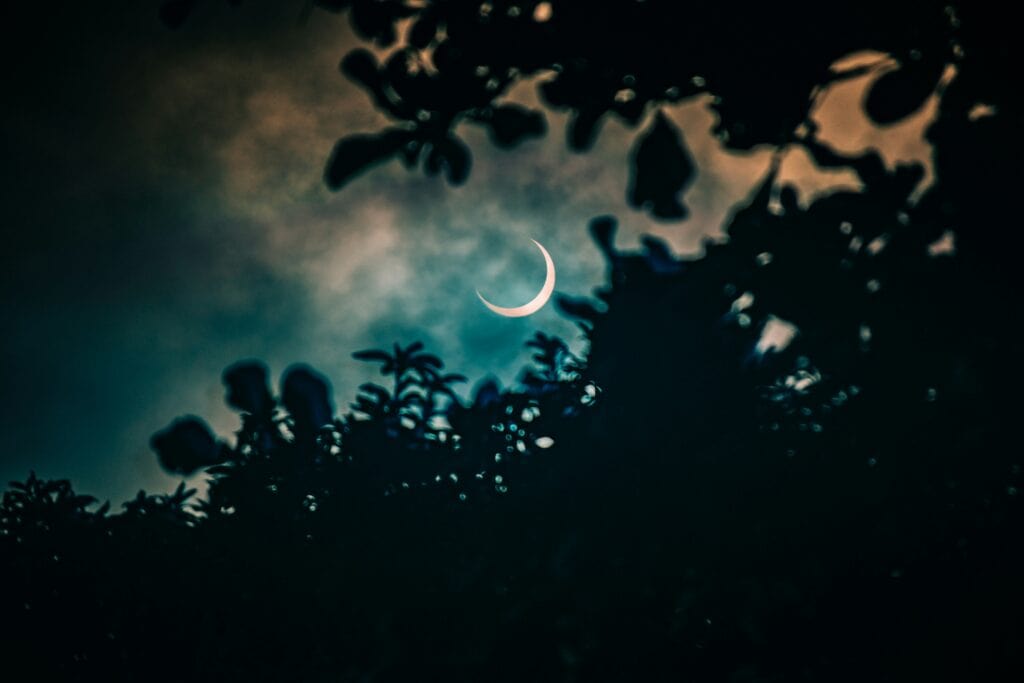
Remember when we all lost our minds with excitement over the total solar eclipse in April 2024? This partial eclipse in August might not draw crowds out of the office or generate as much buzz, but it’s still absolutely worth experiencing.
On Aug. 12, set an alarm for around 12:30 p.m. (it’s a perfect lunch break adventure), then wait for the moon to cover a portion of the sun. And, just in case you didn’t get the message in 2024, staring directly into an eclipse is not recommended.
The eclipse will conclude just after 2 p.m. (with slight variations in different regions of the state) and provide an incredible natural experience, even though Michigan won’t experience totality.
3. August 11-13: Perseids Meteor Shower
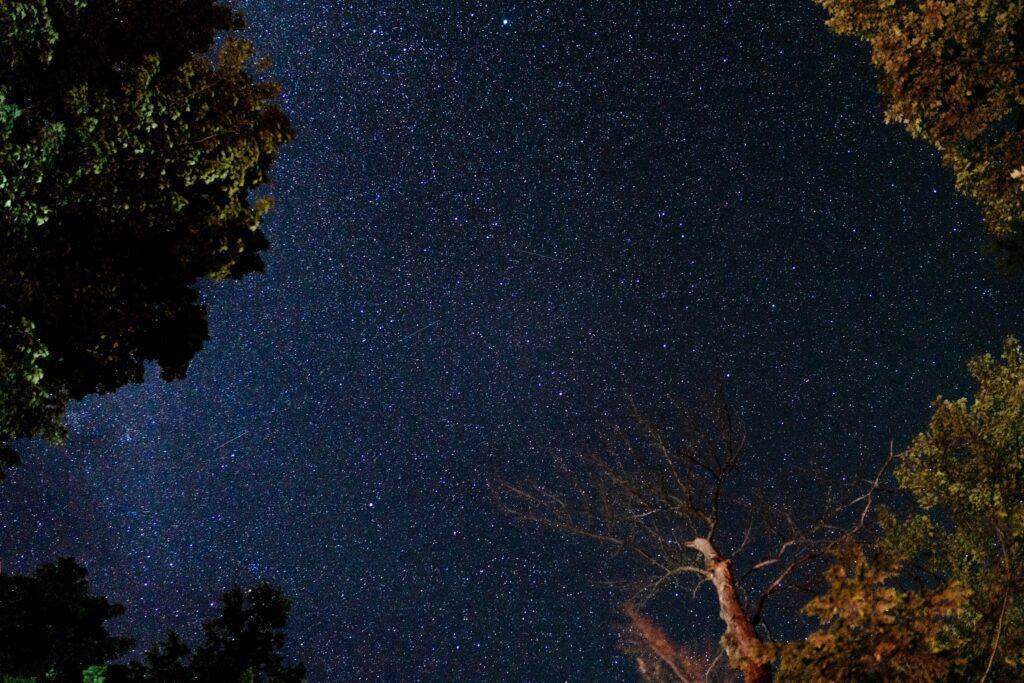
If you’re planning a remote camping trip in Michigan this summer (we’re looking at you, the U.P.), consider planning it between Aug. 11 and 13, when the Perseids Meteor Shower will dazzle observers in the night sky. During dark hours, you might spot up to 100 meteors every hour, with the prime hours for visibility being 1 to 4 a.m.
Here’s one other hot tip: Unless you’ve got a professional camera, don’t try to take photos of a meteor shower to share on social media. We promise you won’t capture even a fracture of the real thing—and you’ll have to peel your eyes away from the sky!
4. August 15: Extra-brilliant view of Venus
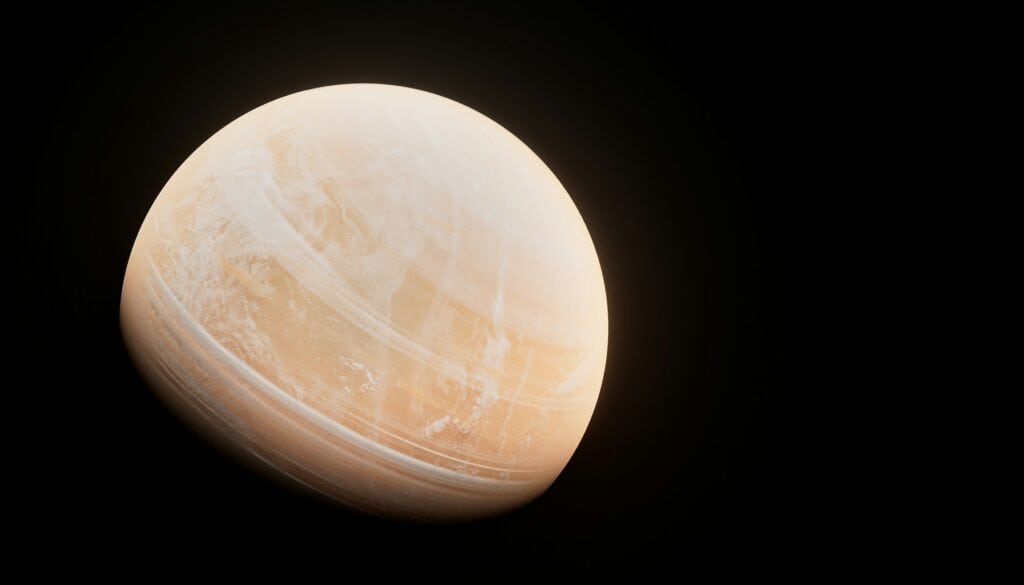
On Aug. 15, we’ll be treated to an especially bright view of Venus in the night sky. Experts say the planet will be easily visible in the western sky just after sunset—you’ll see an obvious contrast between Venus and the surrounding celestial bodies.
This phenomenon will happen when Venus reaches its “greatest elongation,” or furthest distance from the sun as visible from Earth, which prevents the planet from being lost amid reflected sunlight. For an even more brilliant showing, wait until Venus reaches its greatest brilliance on Sept. 18.
5. August 27-28: Partial lunar eclipse
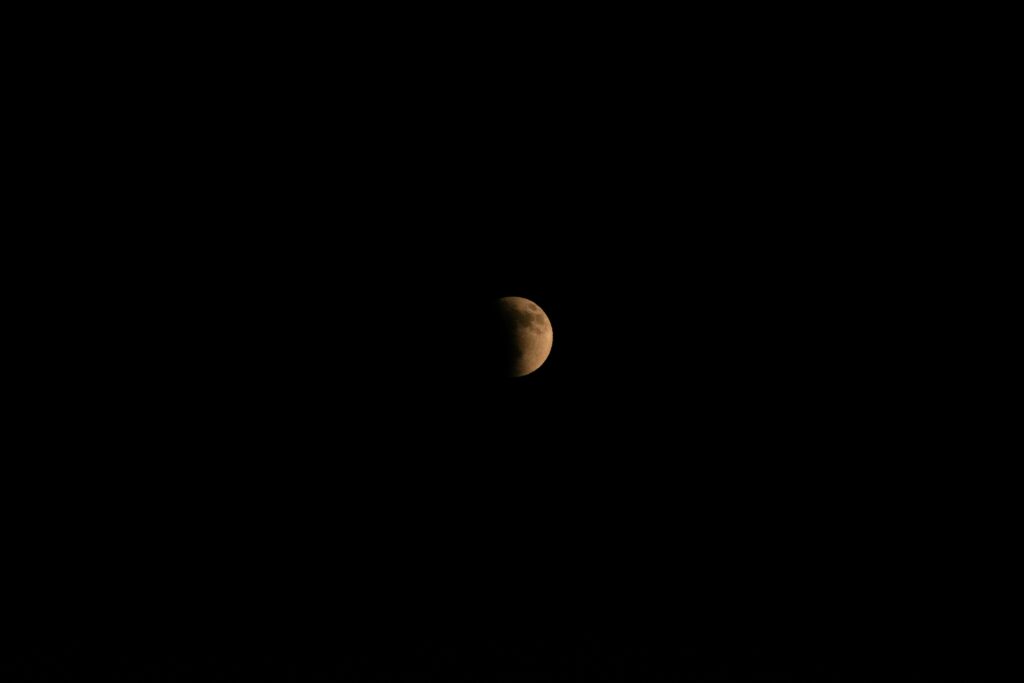
You’ll have to stay up late for this one, but the views should provide a worthwhile tradeoff. Beginning between 9 to 10 p.m. on Aug. 27 and peaking just after midnight on Aug. 28, Michiganders will (weather permitting) see the effects of Earth’s shadow on the moon, which creates a dimming effect.
It might be more subtle than a meteor shower, but it’s the perfect late summer activity for your inner wannabe astronaut.