Camels, toucans, and zebras are among the exotic animals California residents can own. Learn about these potential pets and whether they’re the right fit for you.
If you’re an animal lover, the idea of owning an exotic pet might seem enticing. While your neighbors have dogs or cats, maybe you’re daydreaming about caring for a camel or ostrich.
California’s laws around exotic pets are stricter than you’ll find in a lot of other states. For example, it’s illegal to have animals such as ferrets, gerbils, hedgehogs, and monkeys. The state prohibits them because they can damage native fish, wildlife, agriculture, and public health, according to the State of California Department of Fish and Wildlife.
Despite these restrictions, there are still plenty of exotic pets you can own in The Golden State. As always, be sure to do thorough research before committing to bringing a pet into your home. Animals deserve both a setting and a lifestyle that aligns with their natural behaviors.
Camels
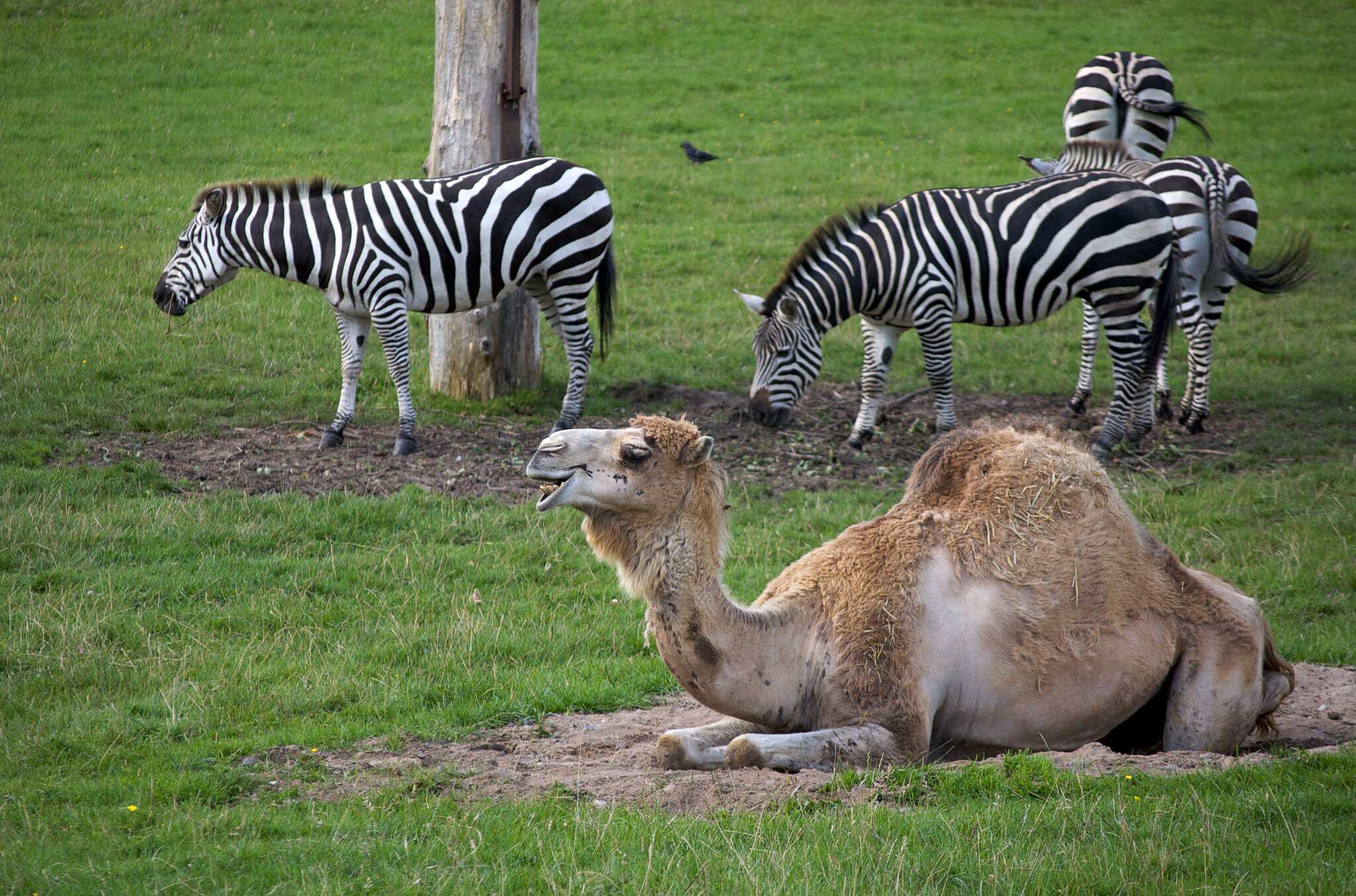
Camels are notable for their distinct humps. That’s not just a fashionable accessory; camels store fat in their humps to use as energy during long periods without food and water. A camel can go over a week without drinking and several months without eating, though if you have one, you’ll want to feed it more often than that. Beyond their humps, camels protect themselves from coarse sand and other unwanted elements via thick eyebrows and footpads, as well as nostrils they can close.
Of course, not all camels are created equal, so finding the right one for you can take some time. And since they’re more comfortable as pack animals, that might mean finding the right two for you. In any case, a camel can be a valuable addition to a homestead or farm. They can protect sheep from coyotes and other predators, and they’re often used to help carry buckets and materials. Sure, they spit, require special veterinary care, and are stubborn about doing things they don’t want to do, but they can be fiercely loyal with proper training.
Chinchillas
As humans, our teeth are pretty predictable. We have our baby teeth, we lose them, our adult ones come in, and we (hopefully) keep all of those for the rest of our lives. Chinchillas, meanwhile, have teeth that continuously grow, so they always have to gnaw and chew. If you bring one into your home, you’ll need an endless parade of wood, rope, cardboard, and pumice toys to keep them healthy.
Out in the wild, chinchilla colonies often top 100 residents, so they’re very social animals. Most chinchilla owners get more than one chinchilla as a result. They also have some unique housing requirements, most notably an area filled with clean sand so they can take dust baths, nesting boxes to hide and relax, and ramps and exercise balls to stay active. Chinchillas are also more likely to suffer from heatstroke, so they require cool and dry environments with good ventilation.
Miniature horses
There’s a classic “Saturday Night Live” sketch called “Tiny Horse,” where Timothée Chalamet is forced to say goodbye to the tiny horse that lives on his farm. It’s an incredibly catchy song about a dumb premise, but you might find yourself humming it while taking care of your miniature horse.
Of course, Tiny Horse is pocket-sized, whereas a miniature horse can grow up to 34 inches tall and weigh anywhere between about 150 and 250 pounds. That’s still much smaller than a normal-sized horse, which is generally about double the height and weighs between 900 and 1,200 pounds. If you have one in your home, they’re great at mowing the lawn, and their skin naturally repels fleas. However, only kids should ever take a ride; miniature horses can support 70 pounds or less on their backs.
Monitor lizards
There are 86 varieties of recognized monitor lizards, egg-laying reptiles most commonly found in Africa, Asia, and Oceania. The smallest monitor lizards top out around 10 inches long, with Komodo dragons, the largest extant lizard species, reaching lengths of up to 10 feet. Regardless of a monitor lizard’s size, it has a powerful tail that can make up more than half of its body length and stores fat at the base. The tail also helps semi-aquatic species glide while swimming.
Though you can legally keep a monitor lizard as a pet in California, their bodies don’t adapt well to the Golden State. Temperatures get too cold in the winter and aren’t humid enough throughout the year, so you’d need to set up an enclosure with special equipment to keep your monitor lizard safe. They’re also curious, roaming creatures, so that enclosure must have a lot of space. Add on the need for an exotic vet and specialty diet, and owning and caring for a monitor lizard is a major responsibility.
Ostriches
Should you choose to bring an ostrich into your home, you’ll need plenty of room. They’re the world’s largest birds; the Barbary ostrich can grow between 6 and 9 feet tall and weighs 229 pounds on average. That’s like having an NBA power forward in your home, albeit the ostrich is less likely to dunk a basketball. The state does not restrict homes from keeping ostriches, though individual city and county zoning laws may require additional permits or applications.
Ostriches are flightless, yet they still put their wings to use to help cool off and communicate with others. They can sprint quickly, with speeds up to 40 miles per hour and powerful legs that offer a hearty kick when needed. These birds are a social species and generally prefer to hang out in small flocks. They live up to 50 years and lay eggs, too. There’s clearly a lot of preparation that goes into keeping an ostrich safe, so do your research before making any decisions.
Pygmy goats
If you’re a dog lover, you might also be fond of pygmy goats. The animals sport quite a few similarities. Pygmy goats are playful, loving, and enjoy having space to run around. They’re generally about 16 to 23 inches tall and weigh between 40 and 70 pounds. Males are a bit larger and boast stylish beards.
Pygmy goats will test the strength of your backyard fence. They like to nibble on wood and can point out weak areas in the foundation. A chain-link fence is likely the best bet to keep them from wandering off. And some owners report that animal crackers are an excellent treat to reward them for good behavior. Is that slightly cannibalistic? Perhaps, but it’s effective.
Toucans
Toucans are aesthetically pleasing to look at. Their big, colorful beaks are eye-catching and beneficial, taking up 30 to 40 percent of their bodies while serving as an effective high-energy impact-absorption tool. Their bright, usually blue eyes are mesmerizing. Toucan Sam of Froot Loops fame is one of the most recognizable food mascots out there. It’s legal to own this exotic animal in California, though it must be one that was bred legally rather than smuggled into the state.
And toucan owners will tell you that owning a toucan is no walk in the park. The birds have particular schedules and requirements for feeding, cleaning, and other maintenance. There’s an ongoing need to chop food, make or find toys, sanitize their aviaries, and build spaces that are big and inviting enough for them to feel comfortable. You’ll also likely spend five figures on food, housing, vet visits, and other care. While seeing them soaring around and full of energy can be entertaining, be sure to consider all of the preparation that goes into owning these exotic animals.
Zebras
Consider zebras the “graduation gift” of exotic pets. California residents are only allowed to keep the striped animals at home if they’ve had at least two years of working with other exotic animals. Many zebra owners have experience with horses, mules, or other animals of similar stature and temperament.
However, owning a zebra is even more daunting than most of those animals, because they have high flight instincts. Their wild side will show, and they might revert to it without consistent patience and training. They’re not shy about biting or kicking to voice their displeasure about something that’s going on around them. It takes a lot to earn their trust, though once that trust is established, the owner and zebra will develop a close bond.