Emus and axolotls and wolfdogs, oh my! Discover six exotic pets you can own in Utah.
From colorful reptiles and birds to tiny mammals and rodents, exotic pets have become increasingly in demand in recent years. However, owning an exotic pet isn’t as simple as choosing an unusual animal and bringing it home. In Utah, various laws and regulations determine which species can be legally kept as pets, with some animals requiring permits and others prohibited altogether.
Whether you’re considering adding an exotic companion to your family or you’re simply curious about what unique animals are allowed in the Beehive State, this article has you covered. In it, we’ll explore some of the exotic pets you can legally own in Utah, permitting requirements, and key considerations for providing these animals with the specialized care they need to thrive. Keep reading to learn more.
What to consider before buying an exotic pet in Utah
Before purchasing an exotic pet, there are a few things you should consider:
- Local regulations: While Utah state law may allow a certain animal to be kept as a pet, your local jurisdiction may impose stricter regulations or ban its ownership entirely.
- Specialized veterinary care: When kept in captivity, some exotic animals are more prone to health issues stemming from inadequate diet, habitat, and stress. A traditional vet may not have the ability to treat these issues, or they simply may not treat exotic animals at all, meaning you’ll need to take your pet to a specialized vet.
- Lifespan: The average lifespan of a pet dog is between 10 and 13 years, but some exotic pets can live two or three times as long.
- Habitat: While most dogs will probably be happy with a small backyard to run around in, exotic pets typically require specialized—often very large—living spaces that mimic their natural habitat.
- Ethical sourcing: Ensure you get your exotic pet from a licensed breeder, a legitimate rescue center, or a pet store. Wild-caught animals will struggle to adapt to captivity and may carry diseases. If you get caught with a wild animal in Utah, you may be subject to fines and forced to surrender the animal.
Where to find exotic pets in Utah
If you want to purchase an exotic pet in Utah, visit a specialized pet shop, such as:
- Animal Ark in American Fork specializes in reptiles, amphibians, arachnids, birds, small mammals, and freshwater fish
- Scales and Tails Utah in Kearns specializes in reptiles and birds
If you’d rather adopt an exotic pet, check with organizations like Wasatch Exotics Rescue, which often takes in and rehomes surrendered exotic animals.
Now that we’ve covered the basics, here are six exotic pets you can have in Utah.
1. Axolotl
Axolotls are a species of salamander that’s fully aquatic, unlike most other amphibians that live on land once they reach adulthood. They’re native to one specific region—Xochimilco Lake in Mexico—and are considered critically endangered in the wild. However, axolotls are abundant in captivity: they’re popular with researchers for their unique regenerative abilities and with pet owners for their “cute” appearance.
To keep an axolotl as a pet, you’ll need a 15 to 20-gallon tank with a secure lid. The tank should be kept away from bright light, and the water temperature should be between 57 degrees and 68 degrees Fahrenheit.
You have several options when it comes to what you can feed your axolotl, ranging from commercial fish pellets and earthworms to strips of beef or liver.
You don’t need a permit to have a pet axolotl in Utah as long as you purchase yours from a licensed pet store or breeder within the state. (Animal Ark and Axolotl Superstore in Riverdale both sell axolotls.)
2. Chinchilla
If you prefer an exotic pet that’s soft and furry over an amphibian or reptile, consider a chinchilla. Chinchillas are known for having some of the softest, densest fur—a necessity for survival in their native Andes Mountains, where temperatures frequently drop below freezing. However, their dense fur means chinchillas can overheat easily, so maintaining a temperature between 55 degrees and 70 degrees Fahrenheit in their living space is crucial.
The enclosure should contain multiple levels and climbing ramps, and ideally be kept in an area where you spend a lot of time, because chinchillas are highly social animals.
While chinchillas are friendly and like to be around their pet parents, they typically don’t enjoy being held or cuddled. Take extra care when handling your chinchilla to avoid injury or fur slip (when a chinchilla sheds large patches of fur when startled or roughly handled).
You don’t need a permit to own a chinchilla in Utah, and you can find one fairly easily at local pet stores. You may also see them available for adoption at the Humane Society of Utah or on KSL Classifieds.
3. Emu
If you’re looking for an outdoor exotic pet and have plenty of space, an emu may be a good fit.
Emus are large, flightless birds native to Australia. They have a long neck and powerful legs that enable them to sprint as fast as 30 mph. Emus grow to an average height of almost six feet. Males weigh between 110 and 121 pounds, and females weigh about 11 pounds more.
You should have at least an acre of land for your pet emu, so it has plenty of space to run. The area should be contained with a fence that’s at least six feet tall. In captivity, emus typically eat ratite pellets, and you can also feed them fruits and vegetables, especially leafy greens.
Emus have a shorter life expectancy than many of the other animals in this roundup: 5 to 10 years in the wild and a bit longer in captivity with proper human care.
Because of their size and the amount of outdoor space they require, some Utah cities may restrict or ban emus in residential areas. Be sure to check your local regulations.
4. Red fox
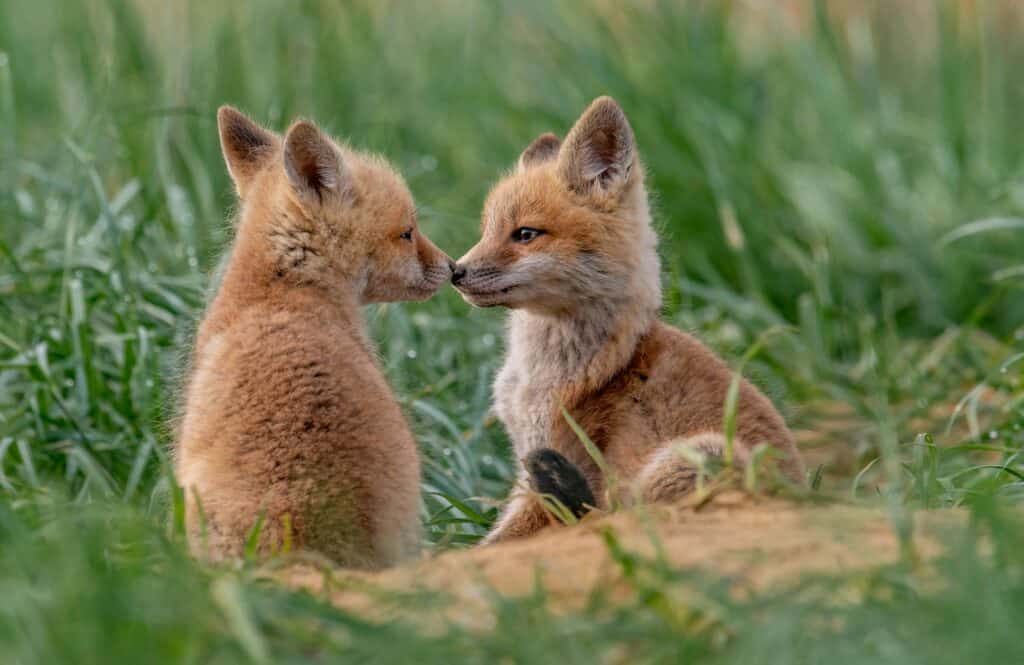
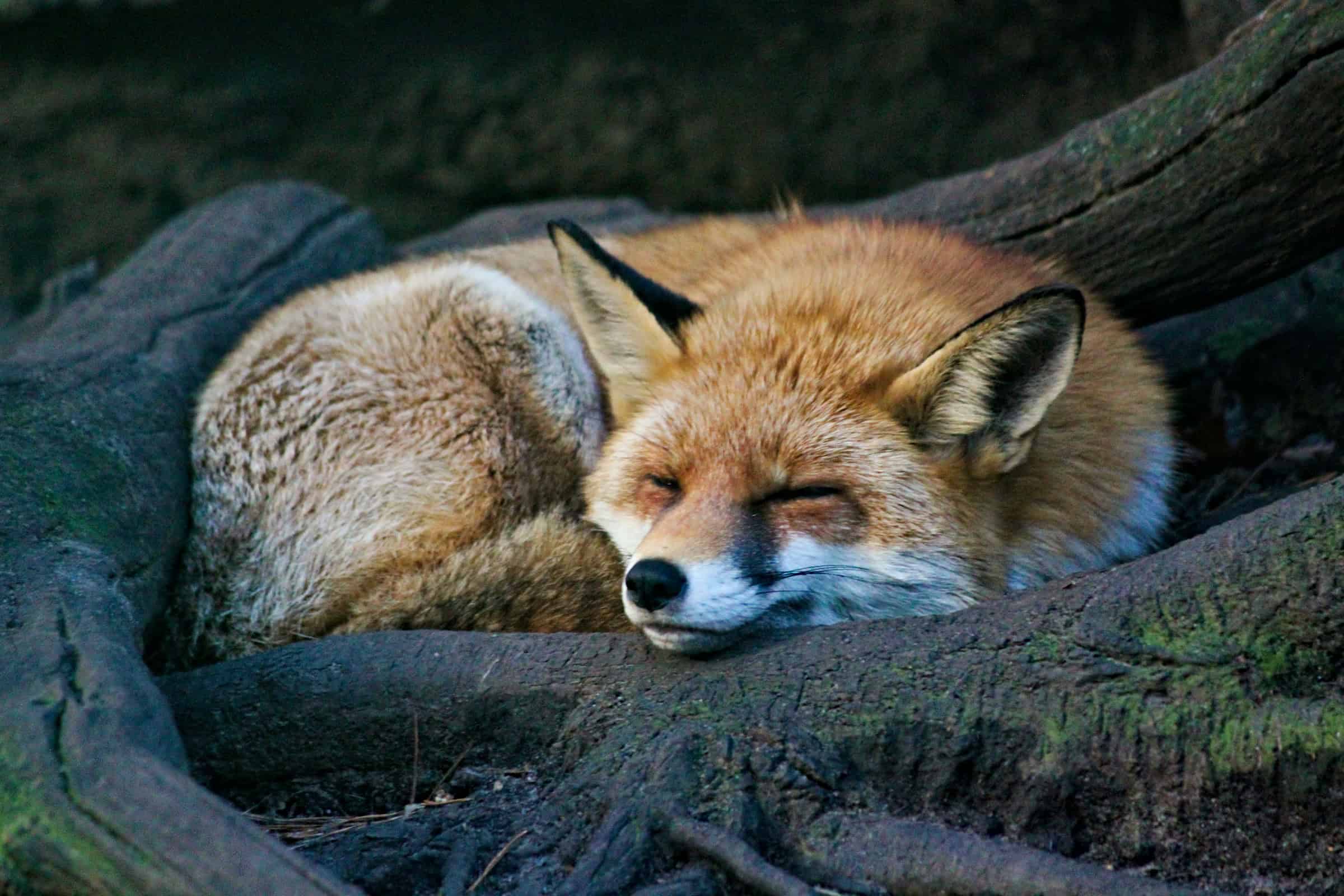
If a six-foot-tall bird isn’t your ideal pet, another outdoor-only option is the red fox. Red foxes only grow to be about two feet tall and three feet long. Like emus, red foxes require a large enclosure that provides plenty of space to roam and explore. Red foxes are high-energy animals and can become destructive when bored, so their enclosure should also include some enrichment toys.
Your red fox’s diet should consist mostly of raw meat with some fruits and vegetables, such as berries, broccoli, and carrots.
You can legally own a pet red fox in Utah as long as it was born and raised in captivity.
5. Savannah cat
The savannah cat is a hybrid exotic breed that’s a cross between a Siamese cat and an African serval, a small wildcat that usually weighs between 20 and 40 pounds.
Savannah cats have distinctive appearances—a spotted coat with cheetah tear marks, a small head, and long legs—and playful personalities. They don’t grow to be as big as African servals, but they are one of the largest non-wild cat breeds. On average, Savannah cats weigh between 13 and 25 pounds and grow to be between 14 and 18 inches tall. By comparison, the average housecat weighs between 6 and 12 pounds and grows to be between 9 and 10 inches tall.
If you’re expecting your Savannah cat to sleep all day like a regular housecat, think again: These cats are highly energetic and love to play. When it comes to feeding time, a high-protein raw diet is most often recommended for Savannah cats.
Savannah cats are one of the longest-living cat breeds, and if you take great care of yours, it may live to be 20 years old or older. No permit is needed to keep a Savannah cat as a pet in Utah.
6. Wolf dog
You can’t own a wolf as a pet in Utah, but you can own the next best thing: a wolf dog. This exotic animal is a hybrid of a wolf and a domesticated dog, usually a German Shepherd, Siberian Husky, or Alaskan Malamute.
Because different dog breeds are bred with different wolves to create this hybrid animal, wolf dogs vary greatly in size and appearance. They can range anywhere from 35 to 150 pounds and grow to be between 20 and 35 inches tall (at the shoulder).
The wolf dog’s temperament also varies widely, which is part of why there is a lot of controversy around wolf dogs and whether they make good pets. Some wolf dogs may act more wolf-like and wild, making them less suitable as pets, while others may lean into their domesticated ancestry. If you have small children or other pets, adopting a wolf dog usually isn’t recommended.
If you do decide to keep a wolf dog as a pet, you’ll need a lot of outdoor space (fenced in) with trees and other obstacles for it to climb, as wolf dogs are highly energetic. You’ll also need to feed your wolf dog a special diet consisting of raw meat—regular kibble won’t cut it because it lacks important nutrients.
If you take good care of your wolfdog, you can expect it to live between 12 and 16 years (sometimes longer). You don’t need a statewide permit to keep a wolf dog as a pet in Utah, but some cities may have their own restrictions, so check with your local animal services department first.