Learn all about dispersed camping in Minnesota, from the North Shore to Bluff Country.
Minnesotans live for the outdoors. Most of us have a single degree of separation from someone with a camper, cabin, or canoe—and a trip to the Boundary Waters is a rite of passage.
Visited every state park on your bucket list? Camping at a state park not wild enough? For the more ruggedly inclined, consider dispersed camping for your next adventure. The experience especially suits backpackers, boulderers, bird-watchers, nature photographers, and those whose hobbies benefit from being off the beaten path and close to nature.
Dispersed camping in Minnesota is an opportunity to go your own way—no amenities included. This means it’s a challenge suited for experienced campers and outdoorspeople, so come fully prepared to take care of yourself and the landscape (GPS and maps recommended, and don’t forget to BYO hydration and trash disposal).
The rules
Dispersed camping is permitted in state and national forests and typically must take place at least one mile from designated camping areas. Be a good steward of the forest and leave a minimal footprint; Cutting down trees or clearing vegetation to create a campsite is prohibited.
For more in-depth guidance before taking your trip, visit the Department of Natural Resources’ page on dispersed camping in Minnesota.
Not sure where to go on your dispersed camping adventure? Here are some of the state’s most scenic spots for dispersed camping to inspire your next weekend in the wilderness.
Most scenic spots in Minnesota
1. Richard J. Dorer Memorial Hardwood State Forest
As the only state forest in Minnesota’s Bluff Country, the Richard J. Dorer Memorial Hardwood State Forest is a must-visit destination for dispersed camping. The forest sits in the super scenic Driftless landscape, filled with overlooks of the surrounding valleys. Plus, expanses of the forestland run along the banks of the Mississippi River, where the bluff terrain really shines.
Two expansive state trails run through the forest, carving through the bluffs region, including the 42-mile paved Root River State Trail, which flows alongside the Root River, and the Goodhue Pioneer State Trail, which links up with the Hay Creek Day Use Area and its own set of trails.
The forest is also home to numerous water trails on the Cannon, Mississippi, Root, Whitewater, and Zumbro rivers—so there are plenty of water-based activities, should you choose to enjoy a paddling experience as part of your trip (highly recommended in the bluffs region).
2. Superior National Forest
Although a significant portion of the Superior National Forest belongs to the Boundary Waters Canoe Area (where dispersed camping is not allowed), there’s plenty of other places to explore in this iconic national forest.
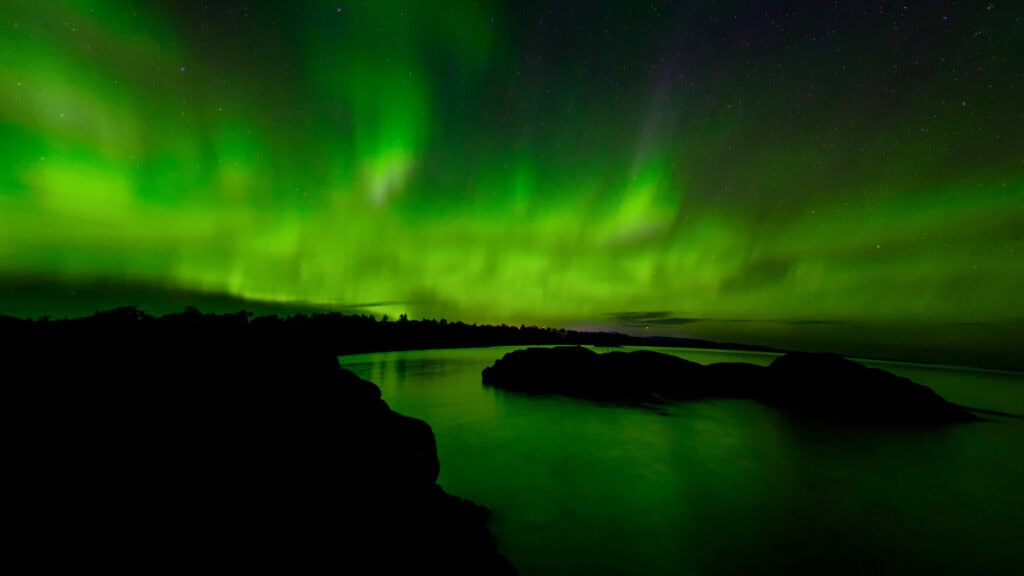
As one of the top-ten most visited national forests, Superior National Forest is something of a natural wonder in our own backyard. The region is revered for its backpacking and coveted as a viewing spot for the Northern Lights and other celestial phenomena.
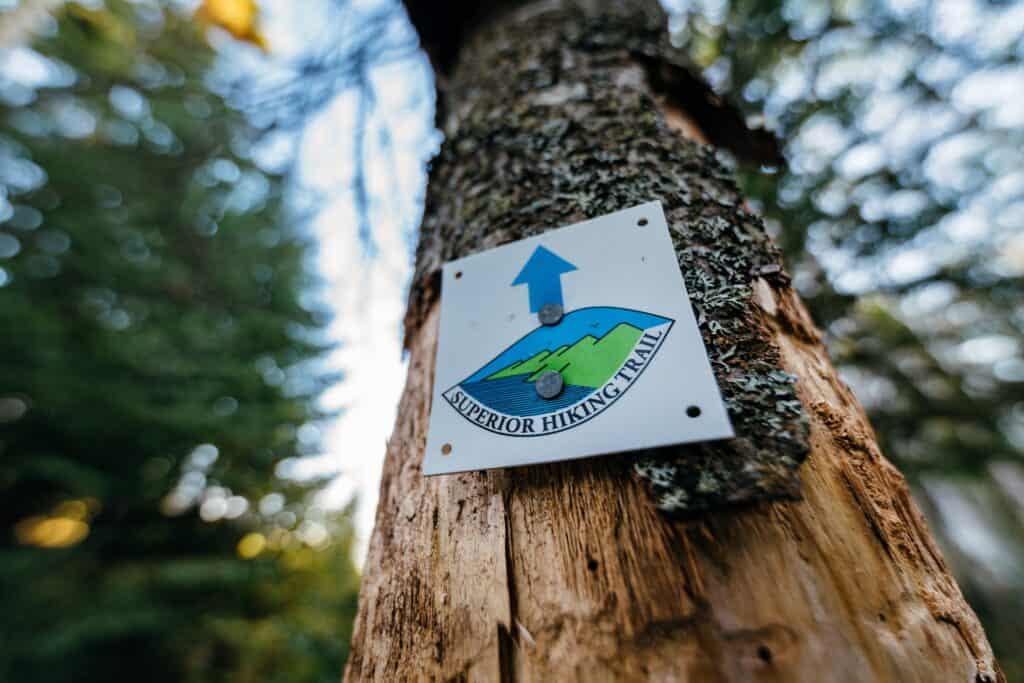
The terrain of the North Shore is rugged, so take note. For serious pros, the Border Route Trail runs along the Canadian border. This trail is recommended for strong backcountry navigators and expert backpackers only. For everyone else, the Superior Hiking Trail meanders along the eastern portion of the forest, which borders Lake Superior, offering exceptional views.
3. Sand Dunes State Forest
One of Minnesota’s more approachable state forests is just about an hour from the Twin Cities. Sand Dunes State Forest features a nice network of trails, which provide excellent backpacking and hiking opportunities and easy access for dispersed campers.
Whereas most of Minnesota’s state forests are located in the densely forested and wetland-heavy upper regions of the state, Sand Dunes is a unique invitation into the prairie for which our state is also known.
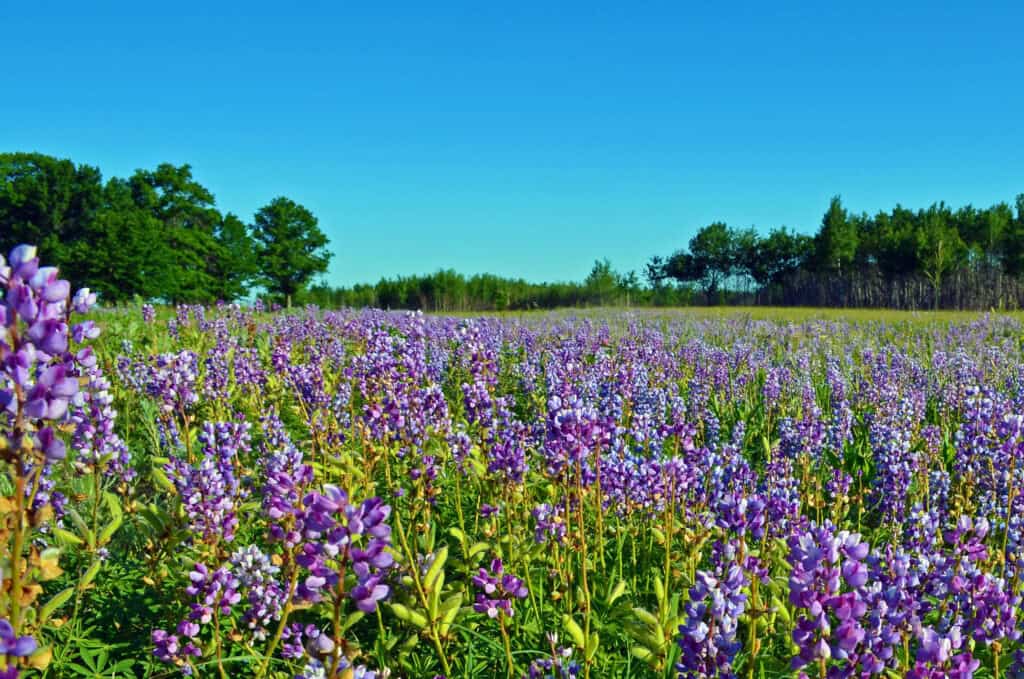
The eastern region of the forest contains the Sherburne National Wildlife Refuge, where thousands of sandhill cranes roost each October as they begin their southerly migration. The western area of the forest houses the Uncas Dunes Scientific and Natural Area, an open and rolling land of oak savanna, prairie grasses and wildflowers, and swampland. Trails surround and connect each area for an immersive yet easily navigable experience of what Sand Dunes State Forest has to offer.
Note: You can’t camp within the Scientific and Natural Areas, but SNAs mentioned here account for some of Minnesota’s rare, remote gems—and most scenic spots to visit on a dispersed camping sojourn.
4. Paul Bunyan State Forest
Allow your pioneering instincts to bring you to a recently expanded swath of forestland known as the Paul Bunyan State Forest. Hundreds of miles of trails meander through this pine forest, dotted with bogs and ponds, making this a dispersed-camping-friendly destination.
The North Country National Scenic Trail extends from the eastern area of the park (all the way to North Dakota and beyond). You could even start the first leg of your Hike 100 Challenge and earn a special patch—just log 100 miles on the North Country Trail before the end of the calendar year and submit a completion form!
The La Salle Lake Scientific and Natural Area is located in the northwestern part of the forest. Lined with trails, it’s a hotspot for wildlife, including otters and osprey, and is one of the few managed lands where foraging is allowed! So choose a spot of land within the forest to pitch your tent and hike or drive into the La Salle Lake SNA for berry picking and more.
5. Chippewa National Forest
The Chippewa National Forest spans 1.6 million acres of northern Minnesota. It encompasses three of the state’s largest lakes, features 278 miles of trails, and happens to be one of the largest breeding areas for bald eagles in the contiguous United States (shout out to bird-lovers).
With such an expansive forest to explore, why not plan a camping trip around one of the forest’s scenic drives, along the many byways that pass through it? (P.S. These drives are especially well-suited for autumnal camping when the leaves change color). The Forest Service recommends four paved drives and three backcountry drives for even more adventure.
Locate a campsite or two off of these routes and voilà, your dispersed camping trip is planned. The Chippewa National Forest features 60 designated dispersed camping sites—complete with a map!