Dispersed camping in Nebraska makes for a truly wild experience. Find the most scenic spots across the state.
If you’re an avid camper, you may already know about some of Nebraska’s best campsites, from designated campgrounds in state parks to glamping sites like Spring Ranch Campground, which blend pioneer-themed accommodation in the Nebraska wilds with all the comforts of modern life. But what if you want to get back to nature in a big way—no frills, just you and the wilds?
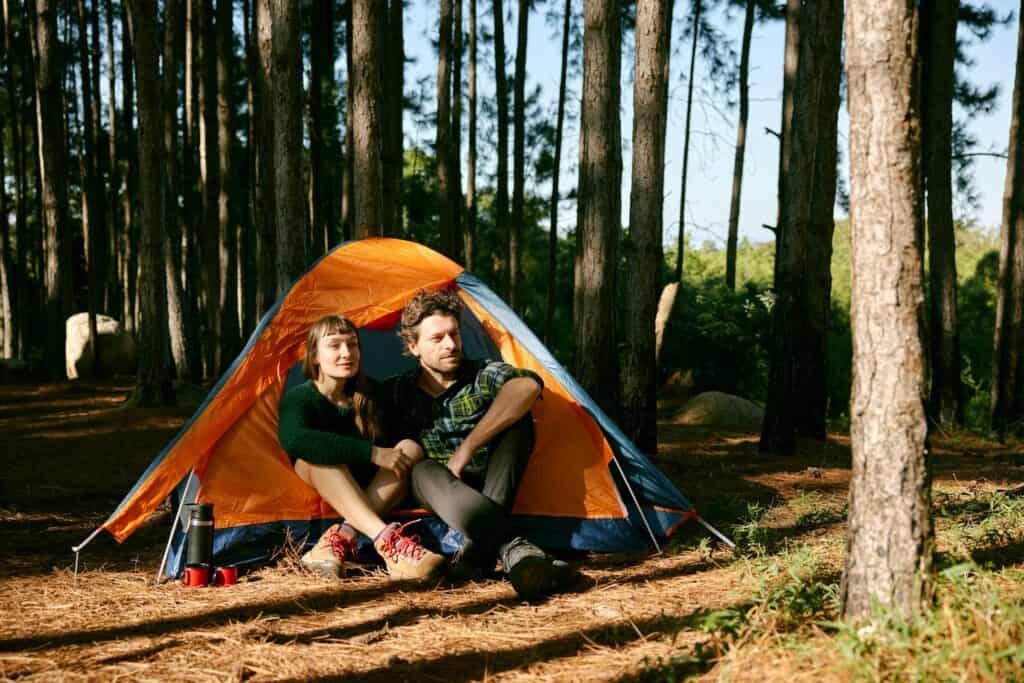
Well then, you might be excited to try dispersed camping. Dispersed camping, also known as “wild camping,” takes roughing it to a new level. While camping on developed, designated campsites and campgrounds often includes amenities like toilets, shower blocks, and somewhere to dispose of trash, dispersed camping does away with all of this. Instead, dispersed camping means finding a site where it’s legal to camp, but doing everything else, from pitching tents to digging a latrine, on your own. It’s not for the inexperienced and requires a strict “leave no trace” mentality, but it’s an exciting and rewarding way to experience peace, quiet, and some of the natural wonders of the Cornhusker State without the trappings of civilization.
But anyone who’s ever been dispersed camping knows that you can’t just rock up with your tent in any old clearing. It’s important to choose spots where dispersed camping is legal. In Nebraska, these will tend to fall into two categories: National Forests and Grasslands, and Wildlife Management Areas. These are protected, monitored sites where dispersed camping is legal on all or part of the property. Bear in mind, though, that how long it’s legal to camp and which parts of the property can be camped upon will vary, although generally, you can only camp on Nebraska National Forests and Grasslands for a maximum of two weeks within a 30-day period. There may also be restrictions on whether only tents are permitted for dispersed camping or if you can bring an RV for a little more modernity.
Beyond the legality of your campsite, be sure to make safety plans, including navigation and communication tools, as well as emergency contacts who know where you’re going. Once you’re ready for your own adventure, consider heading to some of Nebraska’s most beautiful, scenic places for dispersed camping.
1. Bordeaux Creek Wildlife Management Area
One of the best parts of dispersed camping is being immersed in nature alongside the creatures who call it “home.” That’s why Bordeaux Creek Wildlife Management Area is a great place for dispersed campers to get up close and personal with some of Nebraska’s most iconic critters.
This nearly 2,000-acre space is managed by the Nebraska Game and Parks Commission and is home to elk, whitetail deer, and wild turkey, which make it popular among hunters during the season and among wildlife spotters year-round. The gravel clearing makes parking and setting up camp easy for any vehicle, whether you’re traveling with a tent, a camper, or an RV.
Remember, though, that as a wildlife area, it’s especially important for the health and safety of the wild animals that you’re careful not to get too close and to clean up after yourself as carefully as possible.
2. Nebraska National Forest—Bessey Ranger District
The Nebraska National Forest is America’s largest hand-planted forest and is so large that it’s been divided into two separate districts, each with its own rules and options for dispersed camping. The Bessey Ranger District is the larger of the two and includes the historic Charles E. Bessey Tree Nursery, which has the capacity to produce literally millions of saplings each year.
More importantly for your vacation plans, the Bessey Ranger District is one of the finest dispersed camping locations in Nebraska. Not only can you hike, fish, and visit the historic nursery, but there’s no fee for dispersed camping, unlike the district’s traditional campsites. As always, follow district and Forest Service rules for safety, and be respectful of any wildlife you may encounter. Also, be aware that this area tends to be popular during hunting season, which may impact your visit.
3. Nebraska National Forest—Pine Ridge District
The second of the two ranger districts in the Nebraska National Forest, Pine Ridge Ranger District is smaller than Bessey, but still very much worth a visit—and a dispersed camping trip! Pine Ridge Ranger District is home to the Pine Ridge Recreation Area and is full of forest roads leading to dispersed camping sites.
The park is open 24 hours per day, meaning that arrival times, or leaving your site if you need to, are no issue. While you’re there, head out for a hike, or just kick back and enjoy the spectacular forest views. Bear in mind that, as this is a popular recreational reserve, you may hear cars or see lights from other campers, which can be a downside if you’re looking for a sense of isolation.
4. Oglala National Grasslands
You already know that Nebraska is part of the Great Plains, but dispersed camping at Oglala National Grasslands lets you experience it for yourself. Managed by the Forest Service, Oglala National Grasslands has over 90,000 acres of protected grassland, with a hundred man-made ponds and reservoirs for wildlife and livestock watering.
Dispersed camping at Oglala means the chance to see one of the most iconic creatures in the state, including pronghorns and prairie dogs. Toadstool Geological Park in the grasslands is home to traditional campgrounds, but dispersed campers should also take a visit to see the amazing rock formations. To set up camp, use a map to find the sites throughout the park where dispersed camping is permitted.
Remember, although the cute and curious prairie dogs may be visible from your campsite (and you’re lucky if they are!), be especially careful to keep a safe distance, as they can carry diseases that are dangerous to humans.
5. Wood River West State Wildlife Management Area
Another Nebraska Wildlife Management Area, Wood River West is a highly accessible lakeside spot for dispersed camping. With both tents and RVs permitted, plenty of parking available in designated areas, and no fee for dispersed campers, this is a popular spot, and for good reason. This does mean you may see other campers, but if you’re okay without complete solitude, this is a beloved spot for rookies and experienced dispersed campers alike.
As a Wildlife Management Area, Wood River West is, of course, home to plenty of full-time animal residents. Specifically, fishing enthusiasts note large populations of largemouth bass, bluegill, and more, while birdwatchers note sparrows, orioles, killdeer, and warblers. However, be careful of one form of wildlife that you definitely don’t want to encounter; many visitors to Wood River West warn of ticks, so wear high socks and use insect repellent for safety.