Arizona residents are raising concerns about data centers’ impacts on water, electricity, and quality of life.
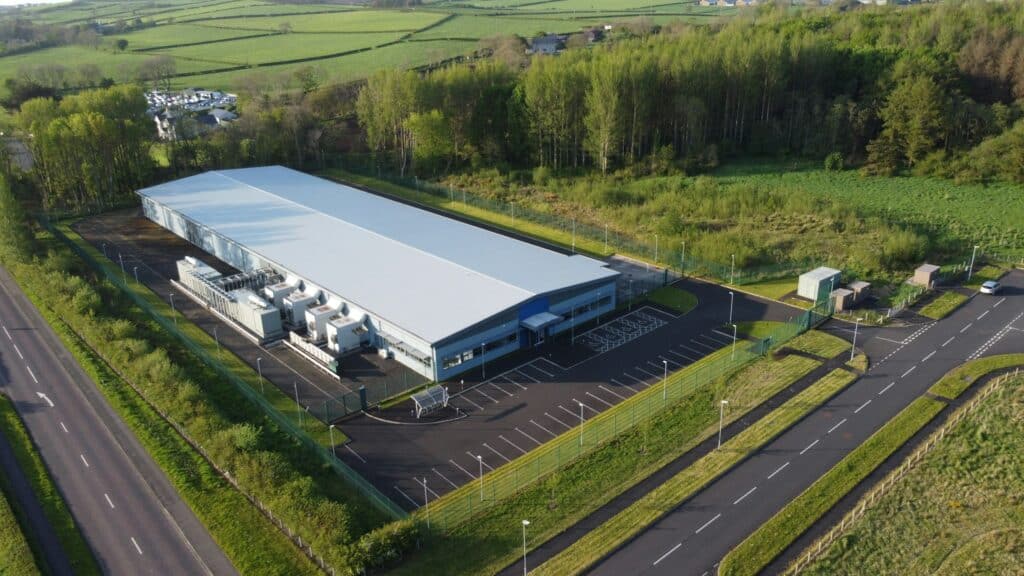
Data centers—the massive warehouses that store the servers and computing equipment that power the cloud, the internet, and other digital infrastructure—have recently proliferated across the country, with development accelerated by the dramatic growth of artificial intelligence. Arizona in particular has become a hotbed for new projects, as the AI race drives demand for increasingly power-hungry data centers. Altogether, the state is home to 176 data center projects in various stages of development, ranging from proposals to fully operational sites.
The push is especially intense in the Phoenix area, where major data centers are reshaping the land, but is also stretching south through the desert toward Tucson.
Yet these projects shouldn’t be considered inevitable. Across Arizona, a growing community backlash is challenging data center development over concerns about its effects on public health, energy use, and the environment, and whether any economic benefit could justify the impacts. An August poll from Noble Predictive Insights found that 57% of registered voters in the state oppose new large data center development.
Some community resistance movements against data centers in Arizona are winning, with officials tabling data center plans or issuing moratoriums.
We’ve compiled a list of major reasons Arizona residents are concerned, while highlighting some of the initiatives fighting back in the state.
Data center water use can be intense—a major concern in the desert
Because much of Arizona is desert, one of the biggest reasons communities are skeptical about data centers is their potential to use massive amounts of water, mostly for cooling servers that generate intense heat.
In Pima County’s Tucson, the No Desert Data Center Coalition initially formed to oppose Project Blue, a $3.6 billion hyperscale data center proposed to cover 290 acres of land.
After learning the project could consume up to 10 million gallons of water per day, “the concern was intense in the context of a quickly warming region with ongoing long-term drought conditions,” coalition organizer Maria Renée wrote in a January Nonprofit Quarterly article. With drought already reducing water availability, the demand from such a massive data center could place strain on the municipal water supply.
Thousands of residents, many organized by the coalition, showed up to public meetings voicing opposition to the project, chanting the slogan “not one drop” for data.
In August 2025, following public meetings packed with residents against the data center, the Tucson City Council ended the city’s involvement with the Project Blue proposal. “Tucsonans have spoken out loudly and clearly and I hear you,” Tucson Mayor Regina Romero said during the meeting in which the council declined to move forward with the project.
The vote didn’t stop Project Blue—the developer redesigned the project and began construction outside city limits earlier this year. But the backlash helped inspire new restrictions: In August, Tucson adopted tougher rules for data centers, including public review requirements.
Plus, in September of this year, unincorporated Pima County imposed a 120-day moratorium on new data center applications while it considers new zoning rules that place greater restrictions on data centers, including prohibitions on water-intensive cooling.
The No Desert Data Center Coalition remains active and focused on protecting communities in Tucson, Pima County, the Santa Cruz River watershed, and the Sonoran Desert from what it views as harmful industry.
Data centers consume enormous amounts of electricity
Electricity prices are rising across the country, including in Arizona. Meanwhile, utilities in the state are requesting even higher rate increases that could further raise bills by hundreds of dollars.
As data centers proliferate across Arizona, they’re adding more pressure to an electricity grid already strained by extreme summer heat waves. These facilities consume massive amounts of electricity—and their operation can drive up prices as utility companies invest in infrastructure to serve them.
Arizona utility companies themselves have even pointed to growing demand from data centers when discussing their rate plans. That has residents concerned about the cost of data centers being shifted to their bills. Indeed, in early October, Arizona Attorney General Kris Mayes requested an investigation into whether Arizona Public Service Company had shifted nearly $600 million in costs from data centers and other large energy users onto residential customers.
In Pinal County, electricity concerns, in addition to the possible impact on water use and the environment, spurred a large community effort to pull the plug on the proposed La Osa Energy Center just this past summer. The site was described as having the potential to be the largest data center in the country.
In response to the proposal, advocacy group Rural Arizona Engagement helped organize community members to question the project through community trainings, letter-writing campaigns, and a large presence at public meetings.
The county ended up rejecting the project following the intense community pushback. “When 90% of the people are against it, I’m going to vote the will of the people,” board member Jeff Serdy told AZ Family after the August vote that killed the project.
“I grew up in Pinal County experiencing power outages, so when residents started asking what a project of this size could mean for our energy grid, I understood where that concern was coming from,” RAZE community organizer Malorie Martinez said in a statement following the vote.
Martinez also spoke during the public comment period at the meeting. “When Pinal County is at peak energy use, who will take priority when the power outages are imminent?” she asked, wondering whether it would be an elderly person using an oxygen tank, a person relying on refrigerated medicine, or “the data center owned by tech billionaires?”
Data centers create relatively few permanent jobs
Often, disruptive industrial development is hailed as a temporary headache in exchange for jobs. But because data centers are essentially giant warehouses full of computer equipment, developers usually can’t tout creating hundreds or thousands of permanent jobs. Instead, average employment at data centers ranges from 27 to 111 people.
The jobs question has had many residents and public officials balking at data center development and questioning its benefit to communities. After all, not only can data centers disrupt daily life, but in Arizona they’ve also cost the state millions in foregone tax revenue, including $38.5 million in fiscal year 2025. (State lawmakers have since imposed a three-year moratorium on data center tax subsidies.)
In the Phoenix suburb of Chandler, a data center proposal for the Price Corridor Business District drew significant pushback from both residents and public officials last year, especially because the Price Corridor is meant to serve as a hub for employment.
When the project was up for a final vote in December 2025, residents packed the council chambers after writing more than 250 emails to the city opposing the project, compared to just 10 in support. Community members were concerned about what they saw as few benefits in exchange for potential noise and air pollution, higher electricity costs, and extensive water use. Many concerns stemmed from Chandler residents’ experiences with the 10 data centers already operating in Chandler.
Local officials ultimately rejected the project.
“If you can’t show me what’s in it for Chandler, then we are not having a conversation,” Chandler Vice Mayor Christine Ellis said at the public meeting where she and other city council members voted against the project. Mayor Kevin Hartke referred to data centers as “big, almost-jobless buildings” that didn’t fit the vision for the Price Road Corridor.
“Having the community show up, it sends a message to the elected officials,” a Chandler resident told Politico last year. “They need to feel the people power behind them.”
Data center construction and operation can disrupt quality of life
Nationwide, communities are raising concerns about data center noise pollution from both construction and operation, as well as how having massive industrial equipment nearby will affect their day-to-day lives and property values.
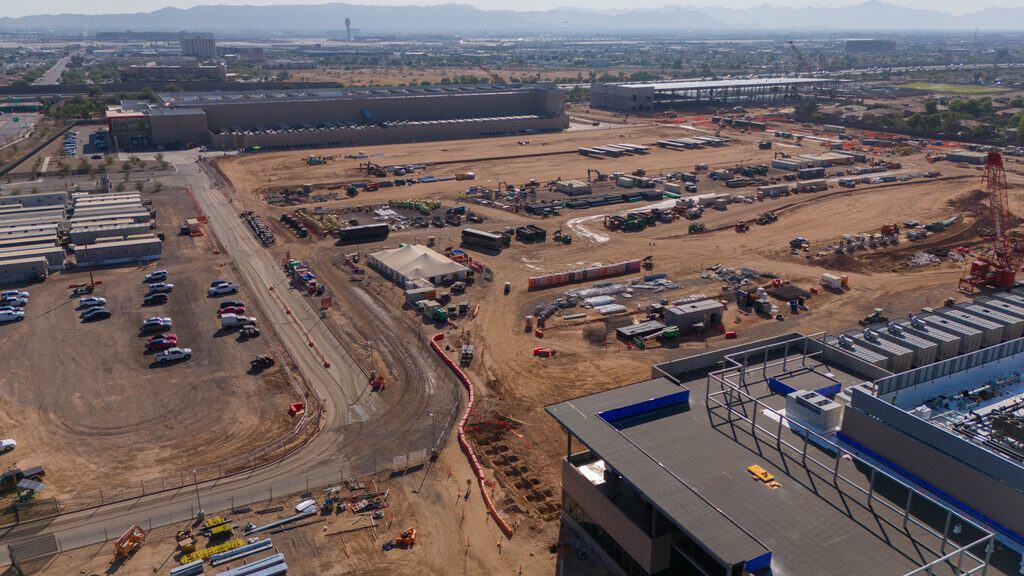
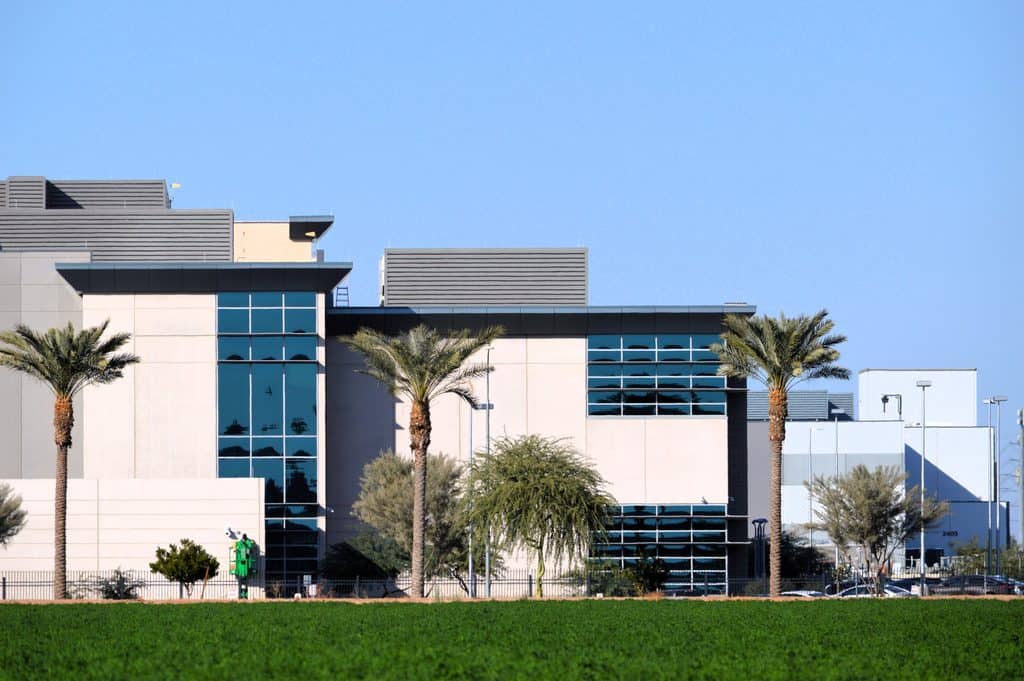
Menlo Digital, a data center developer with projects across the country, is currently building a large data center complex in Ahwatukee, a community in the southern part of Phoenix. Yet unlike many sprawling data center campuses far from neighborhoods, the project—set to take up five buildings totaling more than a million square feet—is being built near houses and other community buildings like schools and a daycare. That has some residents concerned the new data center is a little too close for comfort.
One resident, whose backyard is about 150 feet from the construction site, said her young son is regularly woken up by construction noise, telling The Arizona Republic that she recorded noise reaching 110 decibels at one point, which is comparable to the sound of a power saw at close range.
While Phoenix rewrote its data center rules so that projects must undergo additional review and meet standards addressing issues like noise pollution, the Ahwatukee project was approved before those rules went into effect.
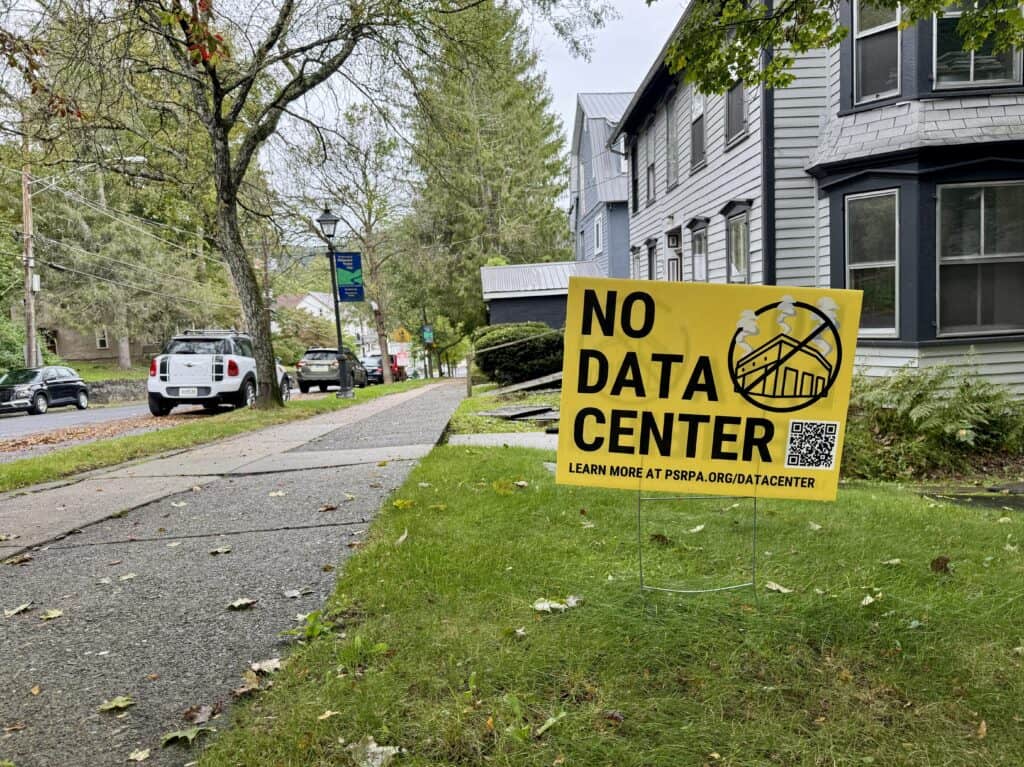
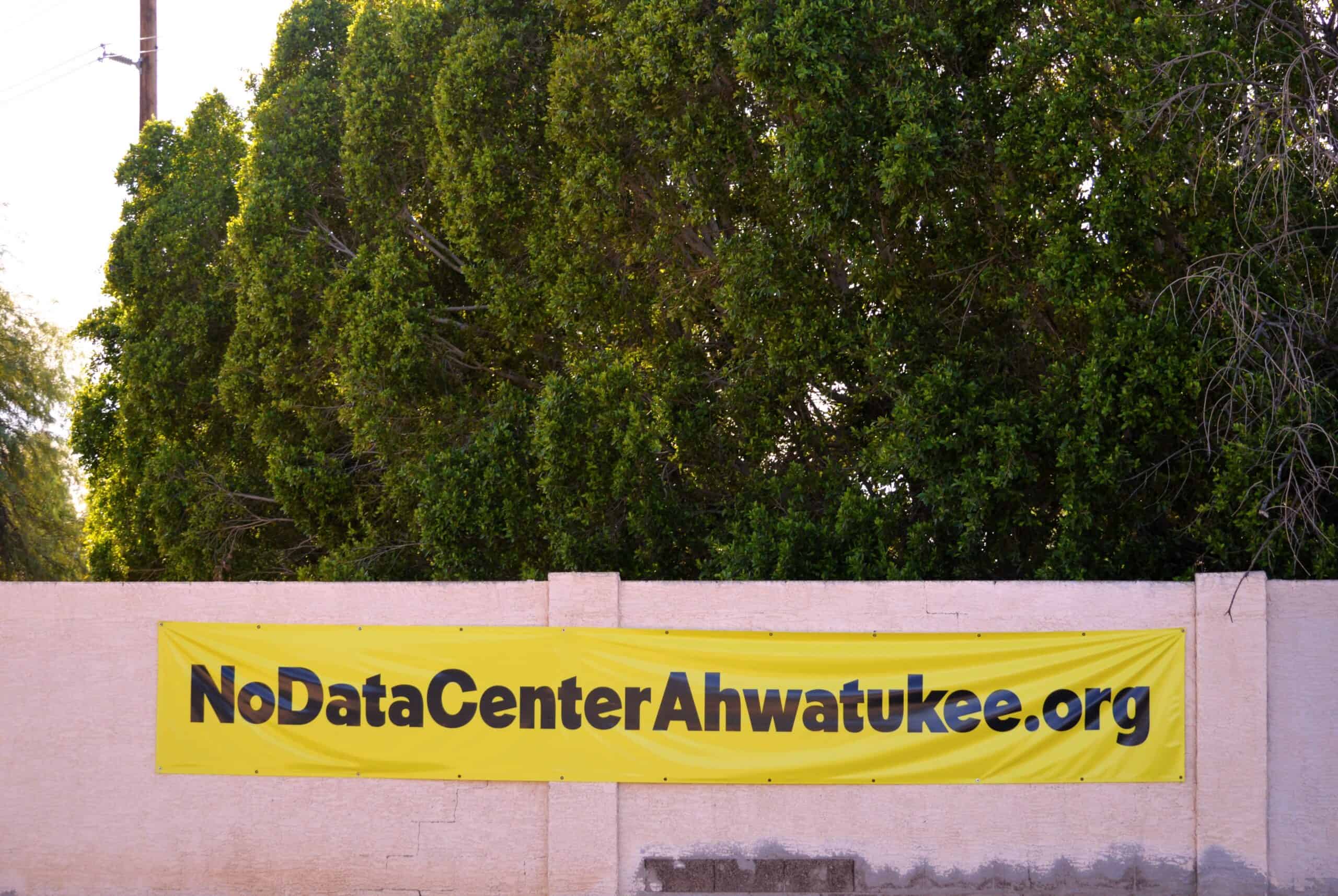
The Ahwatukee Community Alliance has spearheaded No Data Center Ahwatukee efforts challenging the data center, questioning whether it will meet noise standards, whether it will generate intense heat that could affect neighborhoods, whether property values could be impacted, and whether residents had adequate opportunities to weigh in on the project during the approval and development process.
So far, a petition against the development has more than 5,200 signatures. “We all deserve peaceful enjoyment of our homes,” the petition reads.
For the resident who recorded the 110-decibel reading, the site’s proximity is the key problem. “I don’t know that there is really a way to coexist this close,” she told AZ Family.