Craving adding a unique critter to your family? From sugar gliders to bison, here are the coolest exotic animals that are legal to have as pets in Georgia.
The Peach State’s incredible geography, stretching from the Appalachian Mountains in the north to the Atlantic coastline in the south, makes it home to nearly 1,000 species of vertebrates.
You can, of course, see what the state has to offer while exploring its many natural wonders, or you can get up close and personal at one of more than 15 zoos, animal sanctuaries, aquariums, and wildlife parks. Throughout these facilities and green spaces, visitors can see and often engage with gorillas, beluga whales, falcons, and even giraffes.
But what if these types of animals pull a little tighter on your heartstrings? What happens when you find yourself drawn to owning your own exotic animal? While the Georgia Department of Natural Resources lists countless animals that are illegal to own, it also lists a few that are perfectly acceptable as domestic pets.
Owning exotic pets in Georgia
As with any pet, it’s important to evaluate your lifestyle needs as well as the lifestyle needs of an exotic animal before committing them to your family. Many of these critters require special veterinarians, specific diets, and enough space to roam, grow, and play. Several also require permits and licensing.
The bottom line? Do thorough research and soul searching before bringing them home. But once you’re ready, here are eight exotic animals that are surprisingly legal (and fun!) to own in Georgia.
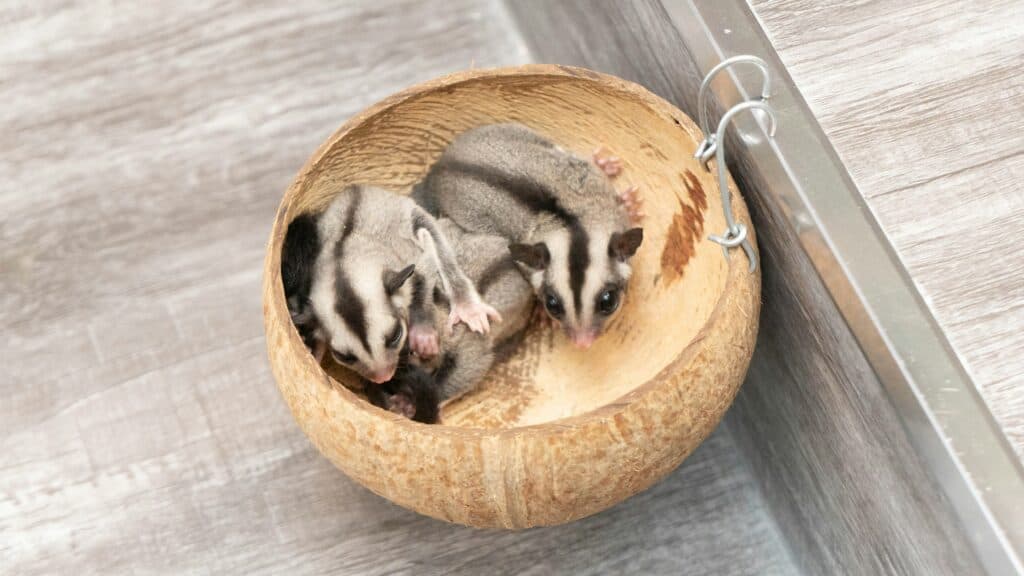
Sugar gliders
Equal parts pocket-sized and personality-packed, sugar gliders are tiny marsupials more closely related to kangaroos than flying squirrels.
Sugar Gliders are known for being highly social creatures, so they thrive in pairs. In fact, it might be best to get at least two sugar gliders, so they can keep each other company.
Their enclosure should be tall enough for climbing, and their diet needs to balance proteins with fruits and nectar. After all, as their name suggests, they do have an affection for all things sweet. They’re nocturnal, so expect some wild (no pun intended) evenings.
Emu
Standing nearly six feet tall, these flightless beauties are the second-largest living bird on Earth. They are naturally curious and quick to bond with their humans, so much so that if an emu is hatched in captivity as a chick, it can imprint on its caretaker, securing a lifelong bond.
Because they can grow up to 6 feet tall, weigh up to 130 pounds, and live for 10 to 20 years, they demand a serious, long-term, large-scale commitment. They need a significant amount of outdoor space to roam and sprint (they can hit 30 miles per hour!), along with a sturdy fence to keep their adventures contained.
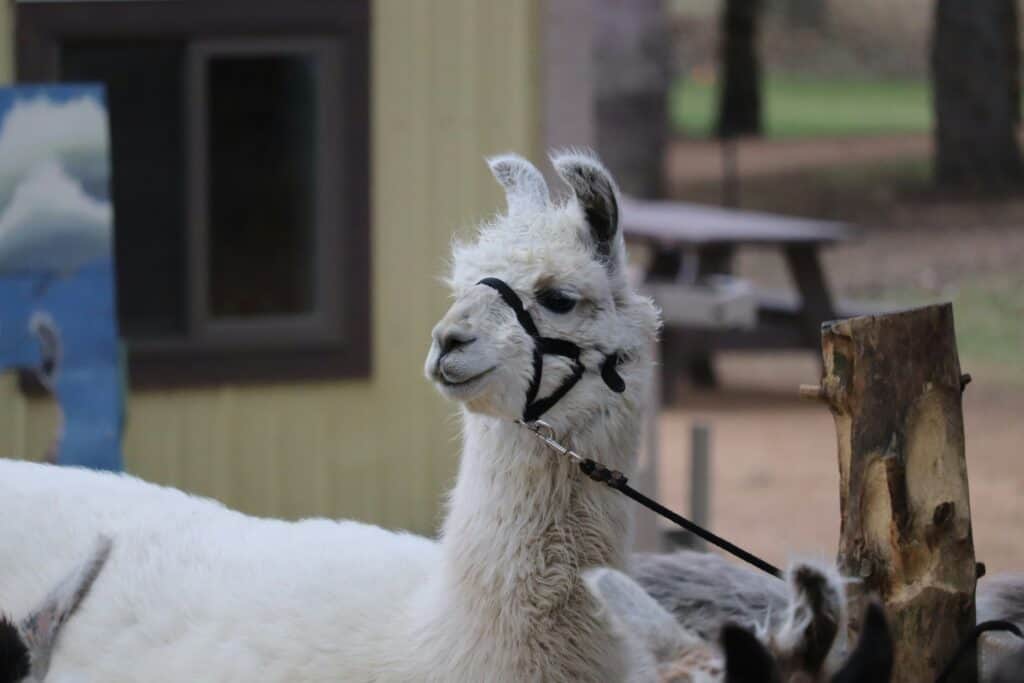
Llama
Llamas are becoming increasingly beloved as pets. They are intelligent, gentle, and affectionate. Though they won’t hesitate to let you know when they’re displeased. Watch out for their signature spit!
They graze contentedly on grass and hay while requiring little more than routine veterinary care and annual shearing. They do need space, and it’s helpful for a llama to have at least one llama BFF, as they’re herd animals at heart.
If you’ve got the acreage and a good sense of humor, a llama might be your perfect match.
Chinchilla
Chinchillas have come a long way from their mountain origins, but they still retain the traits that make them charming household pets. Their most famous feature is their dense fur that insulates them in the wild, but is oh so soft to the touch.
That coat does come with one major caveat, however. The Georgia heat can be challenging for them, so chinchillas need a cool, climate-controlled environment to stay healthy and comfortable.
Nocturnal by nature, chinchillas come alive in the evening hours with frenzied energy bursts (these are not your average zoomies). Like cats, they want to play and be handled on their own terms, and they will vocally protest if they’re uncomfortable. Don’t be offended if it takes them time to warm up to their surroundings.
Ultimately, they are rewarding pets for anyone willing to meet them on their own terms.
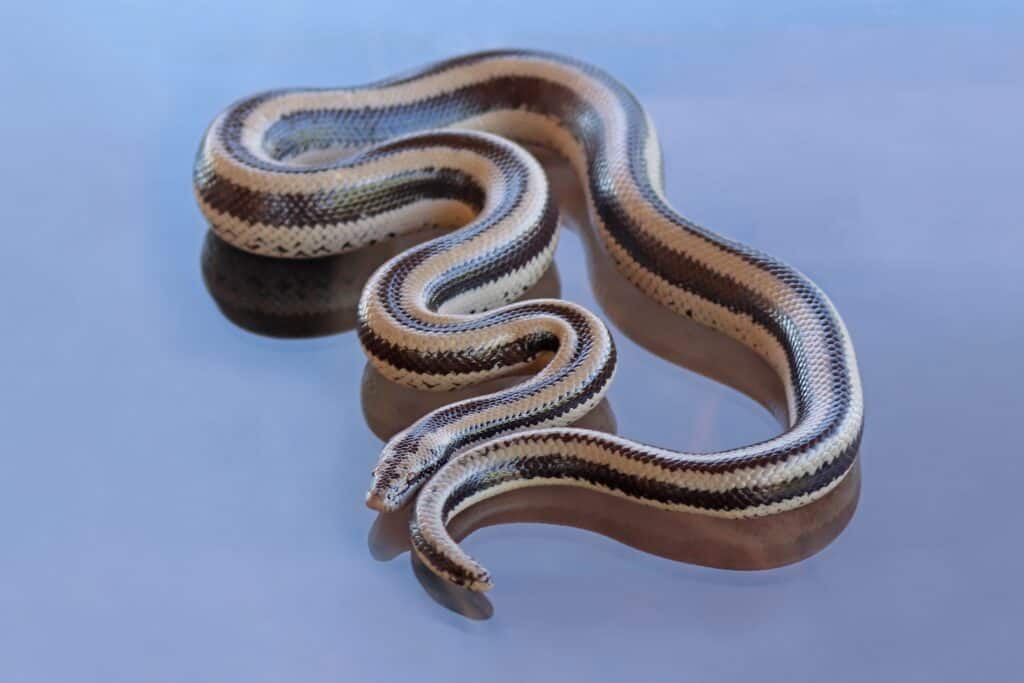
Rosy boa
If you’re especially interested in having a reptile, might we suggest the rosy boa?
They are among the most docile and beginner-friendly snakes, mostly because they are compact constrictors that grow to be just three to four feet long. Their name comes from the rosy pink pattern that runs the length of their belly and gives them a delicate, approachable appearance.
Unlike many exotic pets on this list, rosy boas are undemanding. A secure enclosure, a heat source, fresh water, and a feeding of appropriately sized protein every week or two is all they ask for.
They’re also exceptionally long-lived, with many reaching 25 years old (or more!). Because of their longevity, these slithering beauties are a genuine commitment. Get ready for a lifetime of TLC in the best way.
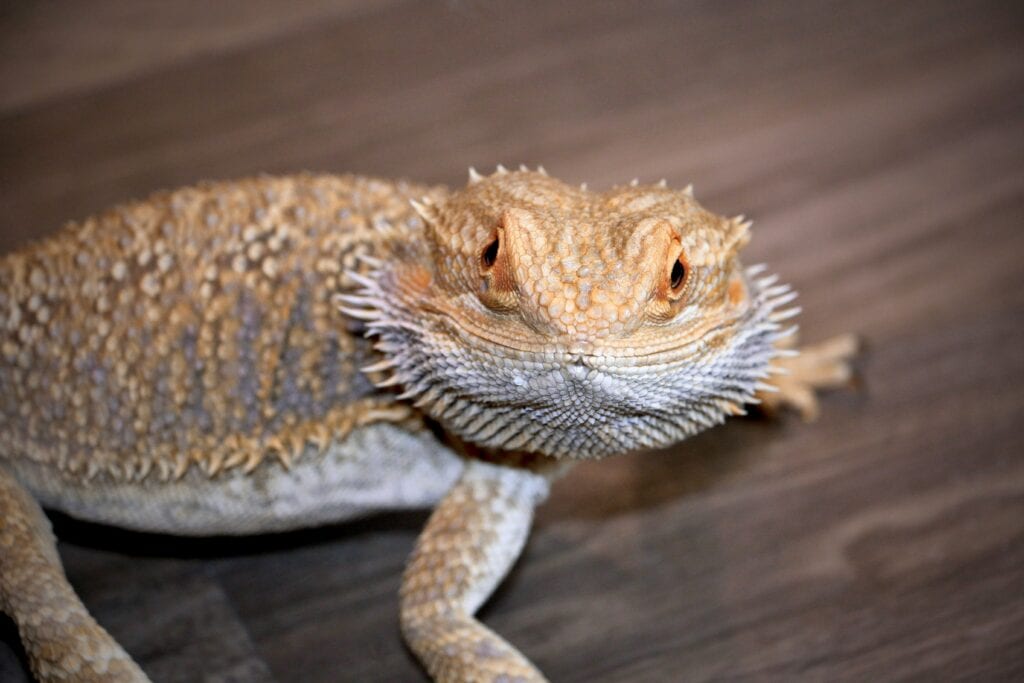
Bearded dragon
Want the personality of a dog with the compact size of a reptile? Meet the bearded dragon!
These medium-sized lizards have spent decades cementing their status as the golden retriever of reptile companionship. They’re alert, curious, and possess a calm temperament that makes them unusually receptive to handling and human interaction.
The “beard” they’re named for is a throat pouch that darkens and puffs up when they feel threatened or excited, though most captive-raised beardies reserve this party trick for mirrors and the occasional houseguest. Creatures built for companionship, they’ll sit contentedly on your shoulder for hours, surveying their setting.
American bison
Bison are classified alongside cattle as livestock rather than wild animals, exempting them from the state’s exotic animal regulations.
Like their cow cousins, these animals are big and, as such, require a large space to graze. But for those with the land and the means, bison are hardy, low-maintenance animals that thrive in Georgia’s climate.
Once numbering an estimated 30 to 60 million across North America, bison were nearly driven to extinction in the late 1800s through commercial hunting and reduced to fewer than 1,000 animals before conservation efforts pulled them back from the brink. Owning one feels less like keeping a pet and more like stewarding a living piece of American history.
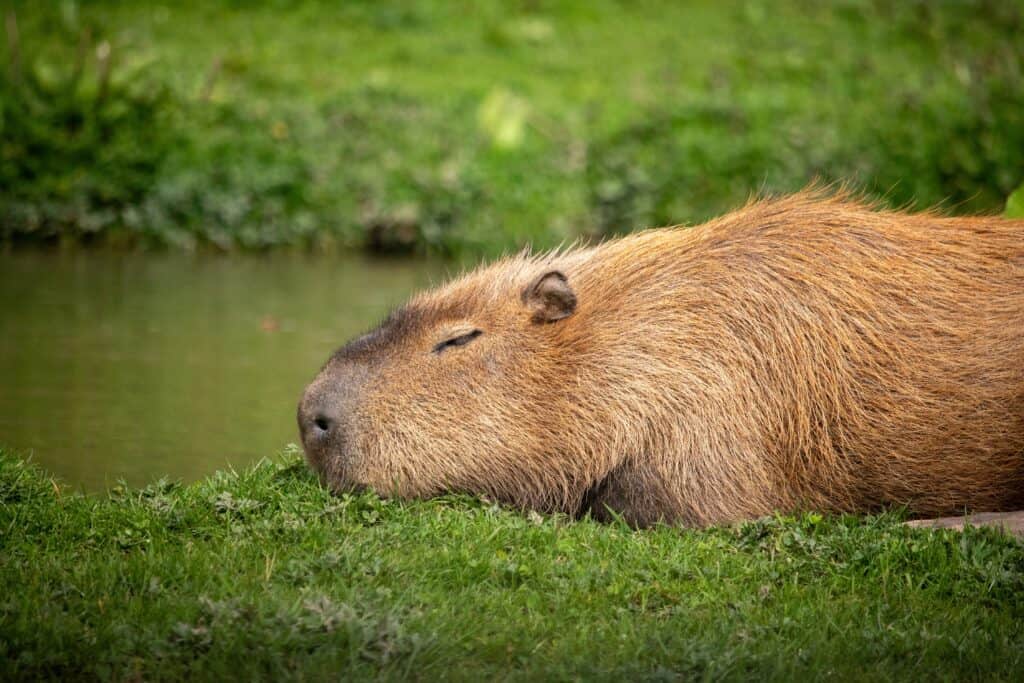
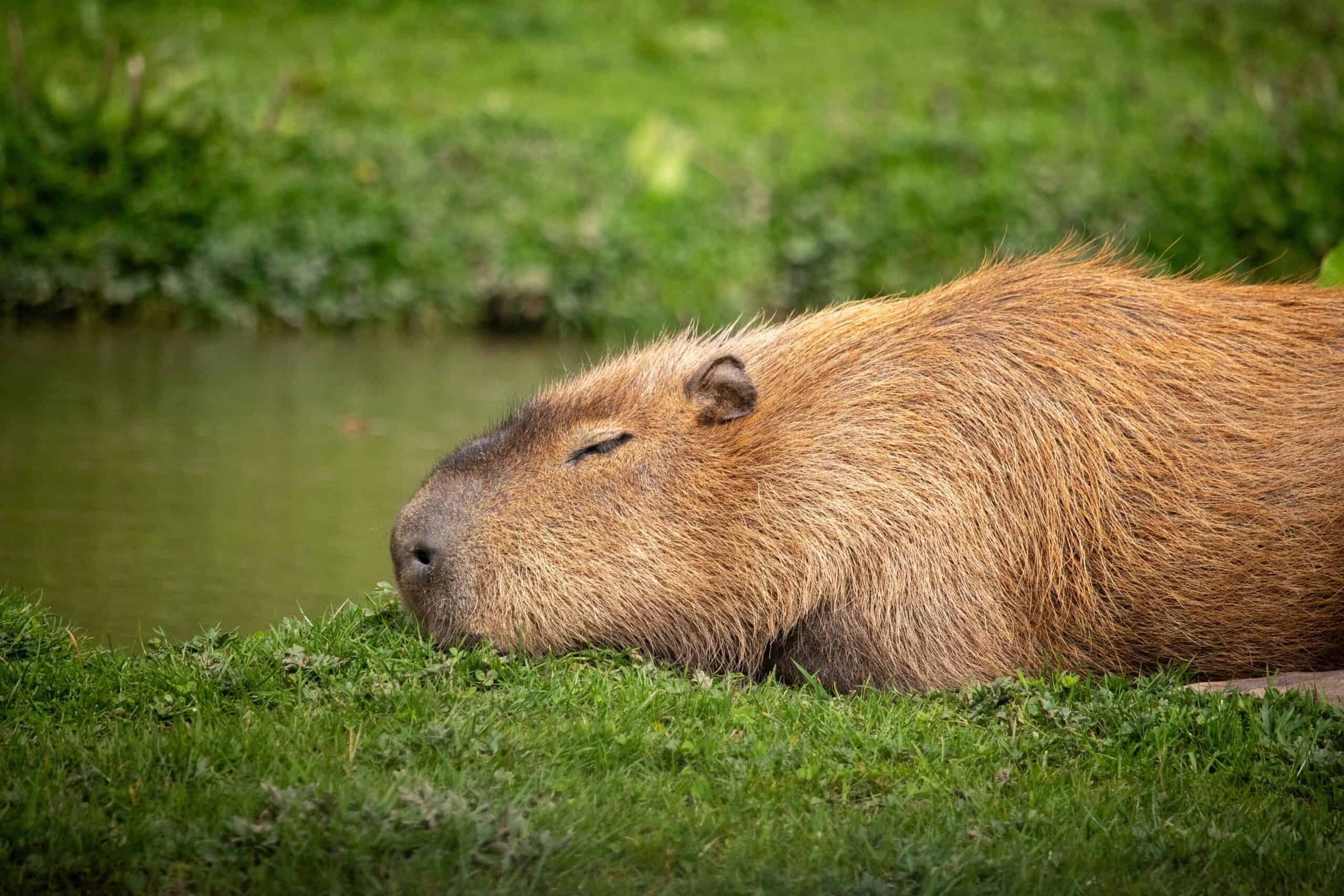
Capybara
Native to the wetlands and grasslands of South America, capybaras are the world’s largest rodent. They often grow to weigh up to 150 pounds.
While those scale-tipping numbers might give pause to the uninitiated, their personality is about as far from intimidating as an animal can get. They’re highly social, deeply calm, and happiest when in water. As a result, a pond, pool, or large water feature isn’t a luxury for a capybara owner; it’s a necessity.
In Georgia, they’re legal to own with the appropriate wild animal license from the DNR. There is just one formality standing between you and your very own (very heavy) pet.